Sea Buckthorn vs Rosehip vs Argan: Which Facial Oil Is Right for Sensitive Skin?
Short version, so you can stop reading if you want: rosehip for texture and dark spots, sea buckthorn for redness and barrier repair, argan for plain dryness — and argan is the one to skip if you have a tree nut allergy. The reasoning is below.
Sea buckthorn oil
Best for: reactive, red, barrier-damaged skin. Rosacea-prone skin. Post-procedure skin.
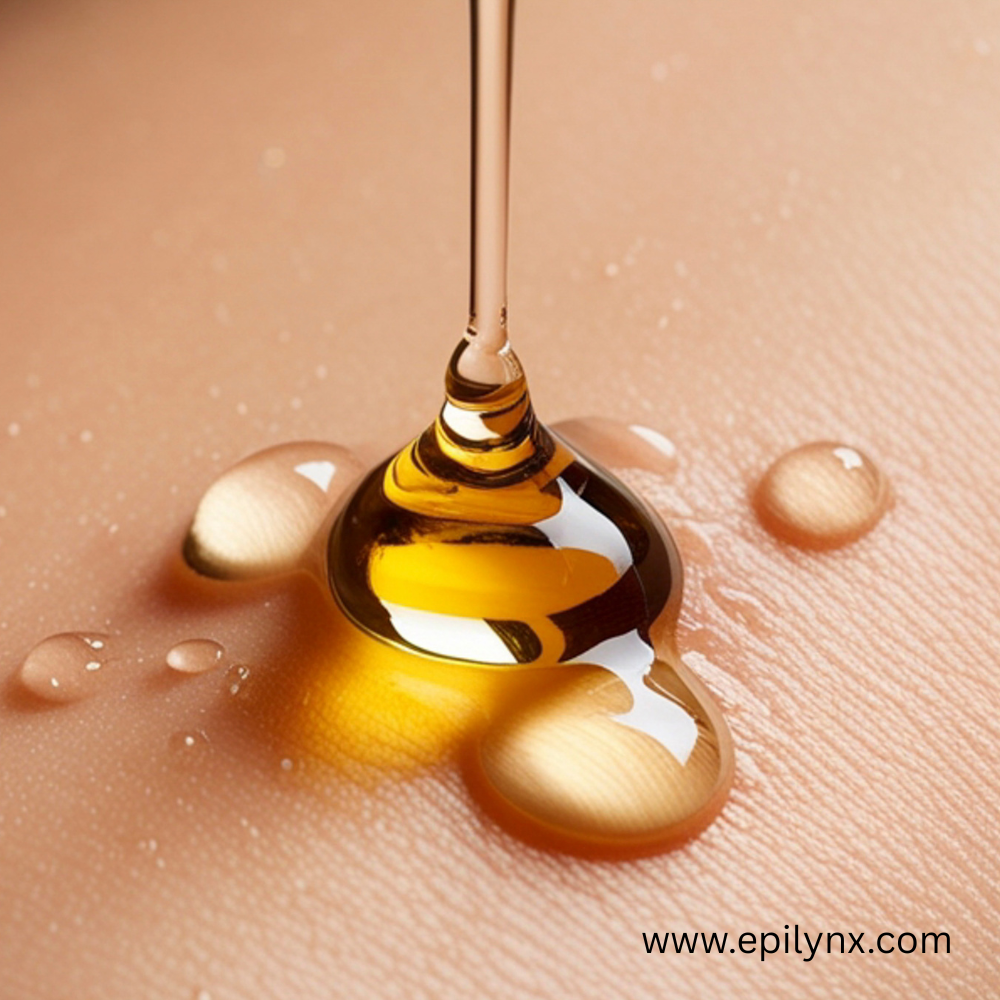
Sea buckthorn is unusual because it contains palmitoleic acid (omega-7), a fatty acid that human sebum also contains and that most plant oils do not. That is the mechanistic reason it feels compatible on skin that rejects other oils. It is also extremely high in carotenoids and tocopherols, which is why it is bright orange and why it stains a pillowcase if you overapply.
Watch out for: the colour. Use a drop, not a dropper. And buy it in a formulation rather than neat if you are fair-skinned.
I went deep on the research in The Top 11 Health Benefits of Sea Buckthorn Oil if you want the full picture.
Rosehip seed oil
Best for: uneven tone, fine lines, scarring, textural roughness.
Rosehip is high in linoleic acid and contains trace all-trans-retinoic acid — genuinely a retinoid, at a very low dose. That is the reason it has a reputation for smoothing texture and fading marks, and it is also the reason it is a gentler on-ramp than prescription retinoids for people whose skin cannot tolerate them.
Watch out for: rosehip oxidises quickly. If yours smells sharp or fishy, it has gone off and it will now irritate rather than help. Buy small bottles, keep them cold, and replace every three months.
If you want retinoid-type results without managing an oil that spoils, a stabilised formula is more reliable — that is what our Wrinkle Repair Retinol Night Cream is for.
Argan oil
Best for: straightforward dryness, dehydrated skin, hair and cuticles.
Argan is high in oleic acid, very emollient, very well tolerated by most people, and pleasantly boring. It does not do much beyond moisturise, which is fine — moisturising is the job.
Watch out for: argan comes from the kernel of the argan fruit and is treated as a tree nut oil. If you have a tree nut allergy, do not use it, and do not accept "the protein is removed during refining" as reassurance — refining varies and cosmetic-grade oils are not held to food allergen standards. I covered which oils to avoid and why in Nut Allergy and Skincare: The Hidden Tree Nut Oils.
Quick comparison
- Comedogenic risk: rosehip lowest, sea buckthorn low-moderate, argan moderate.
- Allergen risk: sea buckthorn lowest, rosehip low, argan high if nut-allergic.
- Shelf stability: argan best, sea buckthorn moderate, rosehip worst.
- Best time to apply: all three at night, on damp skin, as the last step before moisturiser.
The mistake almost everyone makes
An oil is not a moisturiser. Oils are occlusives — they reduce water loss, they do not add water. Applying oil to dry skin seals dryness in. Apply it over a damp face or over a humectant serum, always. This is one of the errors I listed in 9 Mistakes You’re Making When You Moisturize, and it is the most common one by far.
Formulated alternatives, if you would rather not manage raw oils
- Brightening Vitamin C Glow Serum — the stable route to the brightening rosehip is reaching for.
- Lightweight Face Moisturizer — humectant plus emollient, no nut oils.
- Wrinkle Repair Retinol Night Cream — for texture and fine lines.
- Serums & Treatments and Moisturizers
Educational information from a pharmacist, not medical advice.