Flaky Skin Around Your Nose and Eyebrows: Dry Skin or Seborrheic Dermatitis?
If you have flaking at the sides of your nose, in your eyebrows, or between the brows, and it has not resolved despite months of moisturising, it is probably not dry skin. Those exact locations, plus persistence, plus resistance to moisturiser, is a recognisable pattern: seborrheic dermatitis.
It is extremely common, it is manageable, and it needs a different approach entirely.
How to tell the difference
Dry skin
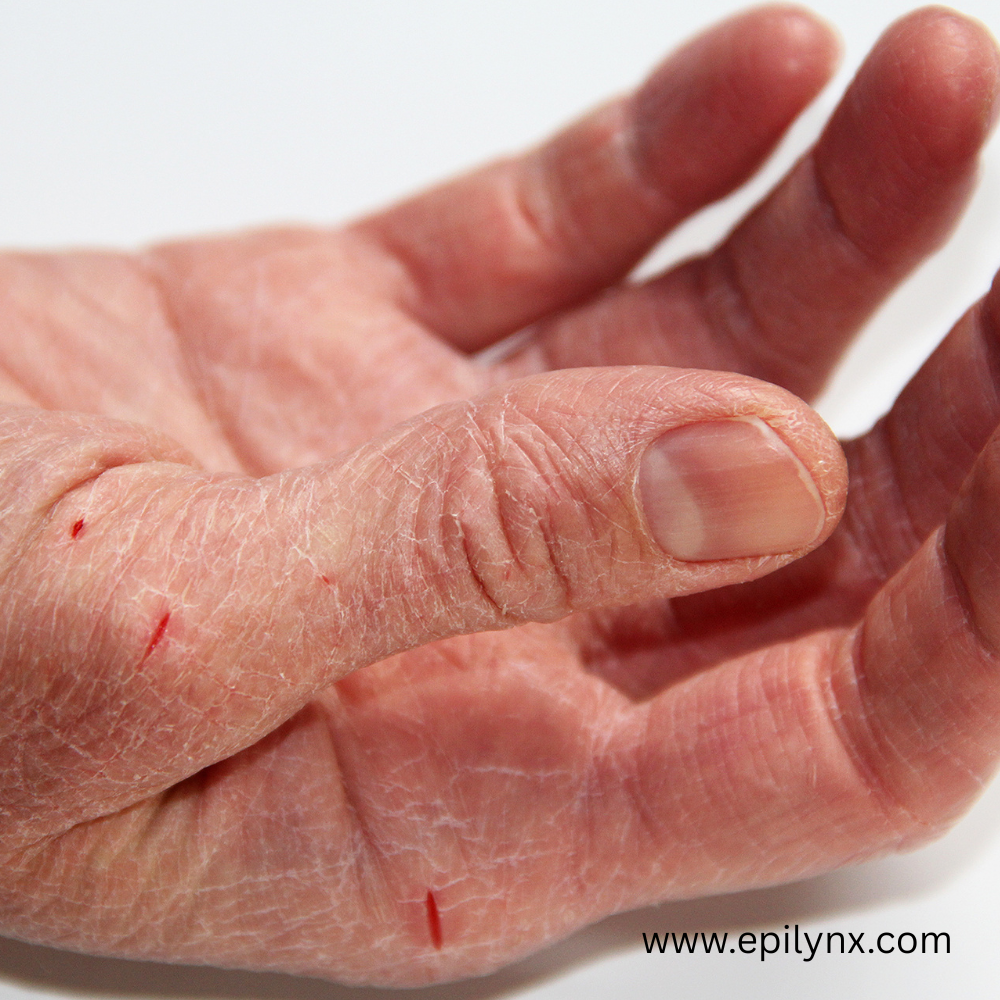
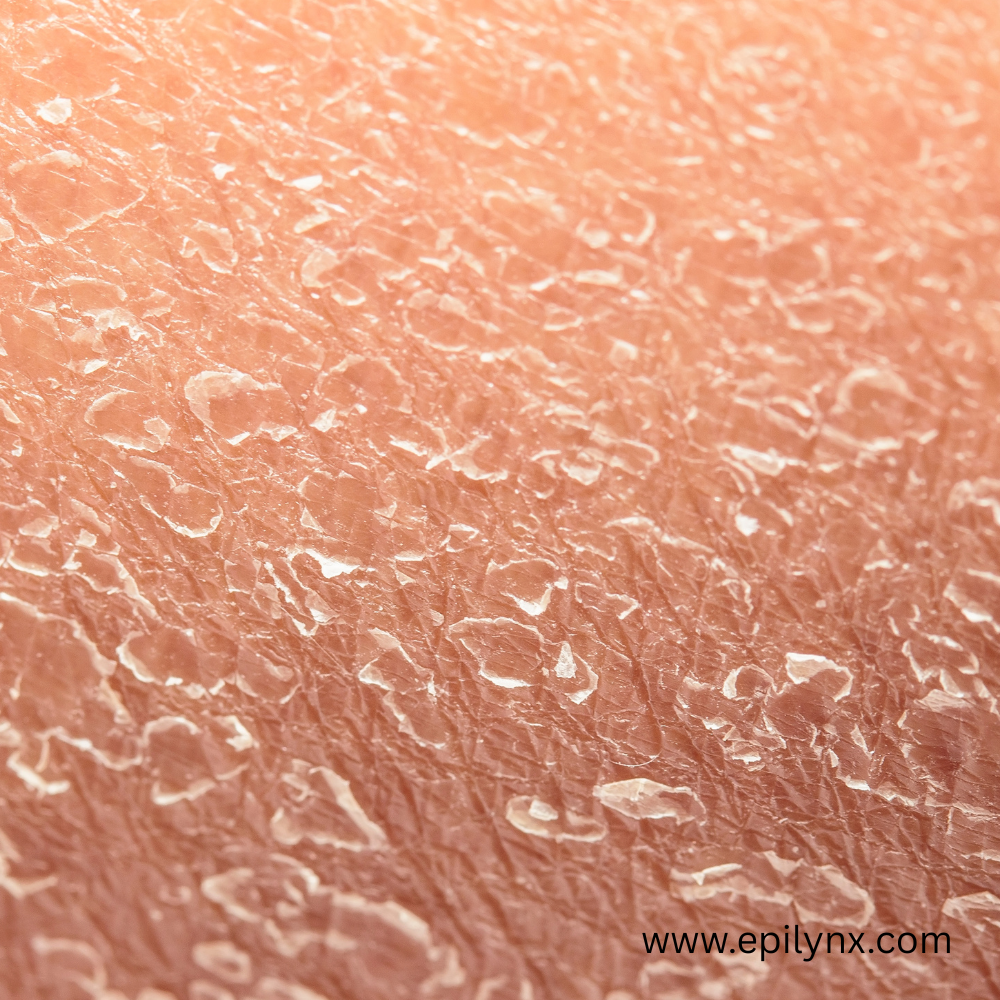
- Fine, white, powdery flakes
- Anywhere on the face, and usually on the body too
- Feels tight
- Improves noticeably with moisturiser within days
- Worse in winter, better in humidity
- Skin underneath is normal-coloured
Seborrheic dermatitis
- Greasy-looking yellowish flakes that stick rather than dust off
- Specific locations: sides of the nose, eyebrows, between the brows, hairline, behind the ears, in the ear canal, centre of the chest, and the scalp as dandruff
- Skin underneath is pink or red, not normal-coloured
- Often itchy
- Moisturiser helps briefly, then it returns
- Worse in winter, with stress, and with illness — but not because of dryness
- Comes and goes in cycles
The two most reliable tells: the location pattern, and pink skin underneath the flakes. Dry skin does not preferentially pick the sides of your nose and your eyebrows.
What actually causes it
Not poor hygiene, and not dryness. Seborrheic dermatitis is an inflammatory response to Malassezia, a yeast that lives on everyone’s skin as part of normal flora. It feeds on sebum, which is why it colonises the oiliest areas — and why the affected zones are precisely the T-zone, brows and scalp.
Some people mount an inflammatory response to it and some do not. It is more common and more severe in men, in people with Parkinson’s disease, in people who are immunosuppressed, and during periods of stress or illness.
This is why moisturising does not fix it. You are treating dryness in a condition that is not caused by dryness.
What works
- Antifungal treatment, which is the actual therapy. Ketoconazole shampoo or cream, or ciclopirox. On the face, many dermatologists suggest using a medicated shampoo as a short-contact wash — apply, leave for a minute or two, rinse thoroughly — two or three times weekly. Confirm the approach with a pharmacist or doctor first.
- Zinc pyrithione or selenium sulfide shampoos as alternatives, used on the scalp and hairline.
- Do not scrub the flakes off. Physical exfoliation inflames it and it comes back faster.
- A light, non-occlusive moisturiser — you still want barrier support, just not something rich. Heavy oils and balms can feed the yeast.
- Avoid oils Malassezia thrives on — many plant oils and fatty acids in the C11 to C24 range. Squalane and mineral oil are generally better tolerated.
- Treat the scalp even if your face is the complaint. The scalp is the reservoir; treating only the face means constant reseeding.
- Manage the flare pattern, not just the flare. Most people need maintenance treatment once or twice a week indefinitely, because it recurs.
What makes it worse
- Scrubbing and physical exfoliants
- Heavy occlusive creams and facial oils in the affected zones
- Stress and poor sleep
- Alcohol
- Cold, dry weather and indoor heating
- Stopping treatment the moment it clears — the single most common reason it returns
Other things that flake in the same places
- Psoriasis — thicker, drier, more silvery scale with sharper edges. Check elbows, knees and nails.
- Rosacea — can coexist with seborrheic dermatitis, and often does. Central redness with flushing triggers rather than greasy scale.
- Contact dermatitis — from a product, and it will follow where the product went.
- Over-exfoliation — genuine barrier damage, which is diffuse rather than zonal.
- Retinoid flaking — if you have recently started one, that is likely your answer.
Makeup over it
Flaking makes foundation cling and lift. Prep matters more than product: treat the condition first, use a light hydrating layer rather than a heavy cream, apply thin sheer layers, and press rather than swipe. A light satin foundation performs far better over flaking than a full-coverage matte one. See Foundation for Reactive Skin.
When to see a doctor
If it is not settling with over-the-counter antifungal treatment after a few weeks, if it is spreading, if it involves the eyelid margins, or if it appeared suddenly and severely in adulthood. Sudden severe seborrheic dermatitis occasionally signals an underlying condition and is worth mentioning.
What I actually reach for
- Gentle Hydrating Facial Cleanser — non-stripping, no fragrance, no scrub.
- Lightweight Face Moisturizer — light rather than occlusive, which matters here.
- Glow Boosting Cooling Elixir — for the redness underneath.
- SPF 50 Mineral Moisturizer
- Sensitive Skin
Related reading
Educational information from a pharmacist, not medical advice.