Hand Eczema and Cracked Hands: Why They Will Not Heal and What Finally Works
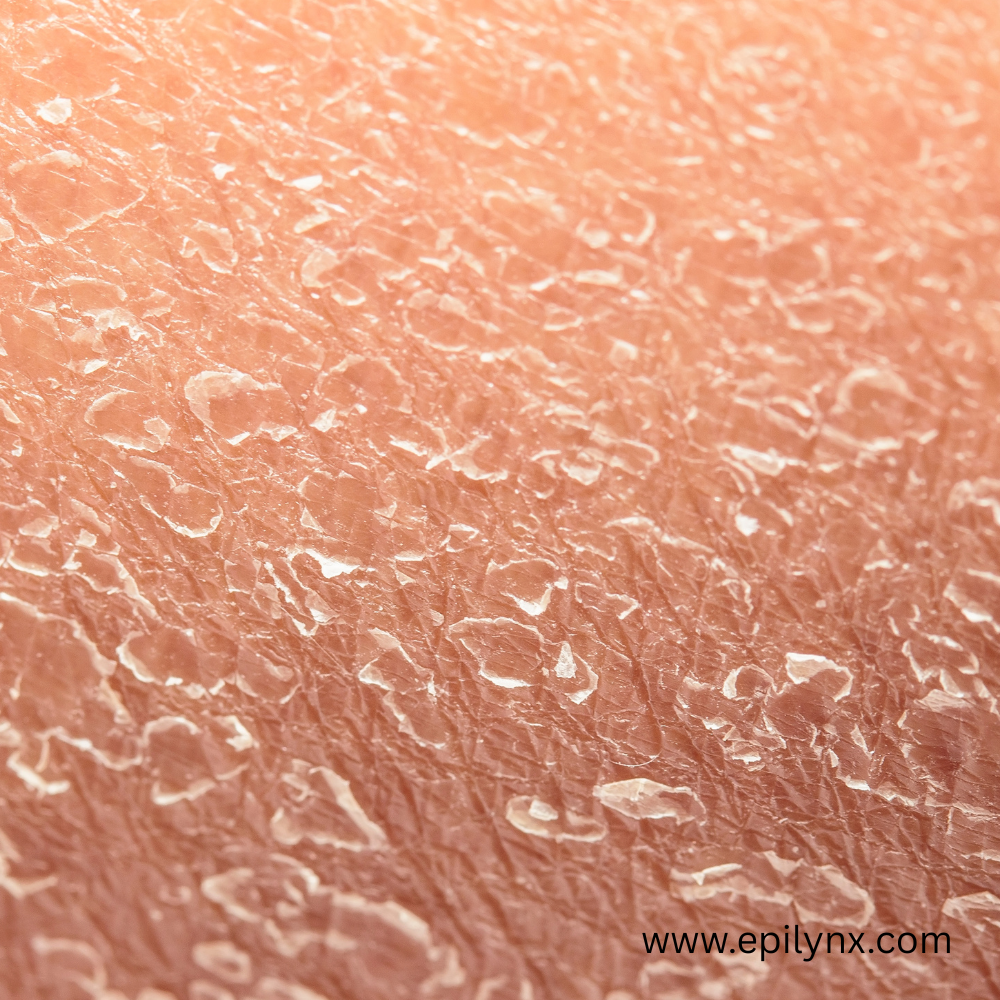
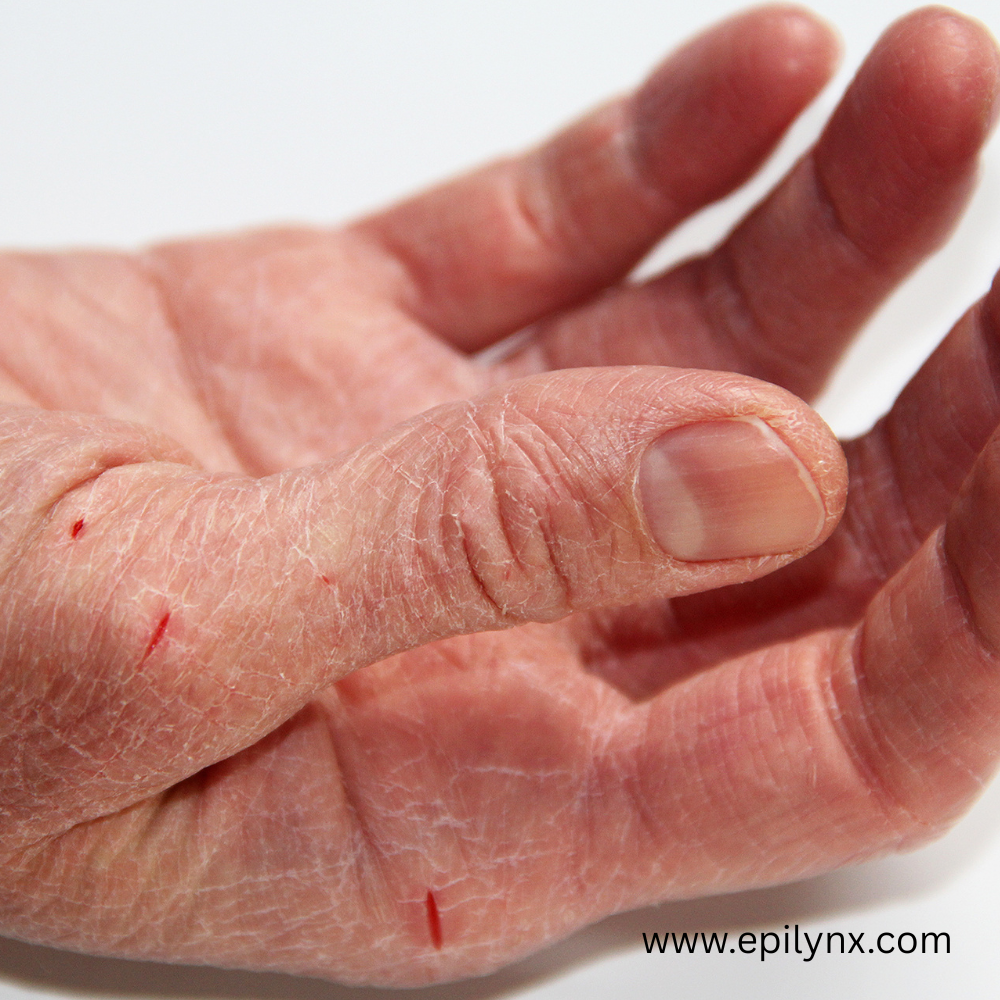
Hand eczema is the most stubborn form of eczema there is, and the reason is not medical complexity. It is that you cannot stop using your hands. You wash them, you get them wet, you touch detergents and solvents and paper and food, and every one of those exposures resets the healing clock. Meanwhile the skin on the back of your hand is thin and has very few oil glands, and the palm is thick and slow to repair.
Which is why hand cream alone almost never fixes it. It is a necessary component of a strategy, not the strategy.
Work out which type you have
- Irritant hand dermatitis. The most common by far. Caused by repeated wet work, soap, sanitiser and friction. Typically starts on the backs of the hands and between the fingers. Sore and burning more than itchy.
- Allergic contact dermatitis. A specific allergen — rubber accelerators in gloves, nickel, fragrance, preservatives, hair dye. Intensely itchy, appears 24 to 72 hours after contact, worsens over time. Needs patch testing. See Irritant vs Allergic Contact Dermatitis.
- Atopic hand eczema. In people with a history of eczema, asthma or hay fever.
- Pompholyx (dyshidrotic eczema). Deep, intensely itchy small blisters on the palms and sides of the fingers, often in crops. Frequently worse in heat and stress.
- Not eczema at all: psoriasis of the palms, or a fungal infection — classically one hand and two feet. If it is only on one hand, get it looked at.
The rules that actually change the outcome
1. The glove rule
Gloves for all wet work — dishes, cleaning, bathing children, hairdressing, food prep. Two refinements that matter enormously:
- Cotton liner gloves inside rubber or nitrile ones. Sweat inside an occlusive glove is itself an irritant, and the liner absorbs it. This one change fixes a lot of failed attempts.
- Nitrile rather than latex, and check for accelerator-free versions if you suspect glove allergy. Rubber accelerators are a genuinely common allergen among people who took up glove-wearing to protect their hands — a bitter irony that patch testing uncovers regularly.
- Under 20 minutes at a time. Then off, dry hands, moisturise.
2. The washing rule
- Lukewarm water, never hot.
- A soap substitute or a fragrance-free syndet rather than bar soap or foaming handwash.
- Dry thoroughly, including between the fingers. Residual water evaporating is itself drying.
- Moisturise after every single wash. Not most washes. Every one.
- Alcohol sanitiser is actually gentler on damaged skin than repeated soap and water when hands are not visibly soiled — it stings on cracks, but it strips fewer lipids. Choose one with added emollient.
3. The ointment-at-night rule
This is the step that makes the difference. At night, apply a thick emollient or balm generously and put cotton gloves on over the top. Eight hours of occlusion, uninterrupted by hand-washing, does more than a whole day of hand cream. Do it every night for two weeks before judging whether it works.
4. The frequency rule
Six to ten applications a day. Keep a tube at every sink, in your bag, at your desk, in the car. The main reason hand routines fail is that the cream is in the bathroom and your hands are in the kitchen.
Managing cracks and fissures
- Liquid bandage or a hydrocolloid dressing on deep painful fissures. Sealing them lets the edges close.
- Do not pull at loose skin. Trim with clean scissors.
- Balm not cream on fissures — you need occlusion.
- Watch for infection: increasing pain, spreading redness, yellow crust, swelling. That needs a doctor.
Things people miss
- Hand sanitiser dispensers at work — you may be using them thirty times a day without counting.
- Fragranced hand soap in other people’s bathrooms. Carry your own.
- Rings. Soap and water trap under them. Remove before washing.
- Paper and cardboard. Genuinely drying with repeated handling.
- Cold weather without gloves.
- Nail products. Acrylates in gel and acrylic nails are a rising cause of allergic hand and fingertip dermatitis.
- Food handling — citrus, onion, garlic, raw meat.
When to see a doctor
If it has not improved after four to six weeks of doing all of the above properly, or if it is affecting your ability to work, see a doctor. Prescription topical steroids, calcineurin inhibitors and — for severe cases — systemic options exist and work. Ask for patch testing if there is any suggestion of allergy, and mention your occupation, because occupational hand dermatitis has specific implications.
What I actually reach for
- Ultra-Hydrating Hand Cream — the one to keep at every sink.
- Velvet Hydration Body Balm — the overnight occlusive layer under cotton gloves.
- Skin Relief Body Cream — fragrance-free, for daytime.
- All fragrance-free and free of 14+ declared allergens: Allergy-Safe Collection
Related reading
Educational information from a pharmacist, not medical advice.