



🔄
Skincare Advice for Sensitive Skin | EpiLynx Blog – Translation missing: en.general.meta.tags Discover the Latest Trends and Tips on EpiLynx Blog Skip to content

Cart

Your cart is empty

News

Nickel Allergy and Your Beauty Routine: The World's Most Common Contact Allergen

Nickel Allergy and Your Beauty Routine: The World's Most Common Contact Allergen

Nickel Allergy and Your Beauty Routine: The World's Most Common Contact Allergen

Nickel Allergy and Your Beauty Routine: The World's Most Common Contact Allergen

Nickel is the most common contact allergen in the world and it turns up in eyelash curlers, tweezers, pigments and razors. A pharmacist explains where to look.

Read more
Preservative Allergy: MI, Formaldehyde Releasers and What to Look For

Preservative Allergy: MI, Formaldehyde Releasers and What to Look For

Preservatives are the second most common cosmetic allergen after fragrance. A pharmacist explains which ones cause problems, which are safer, and why products still need them.

Read more
Hand Eczema and Cracked Hands: Why They Will Not Heal and What Finally Works

Hand Eczema and Cracked Hands: Why They Will Not Heal and What Finally Works

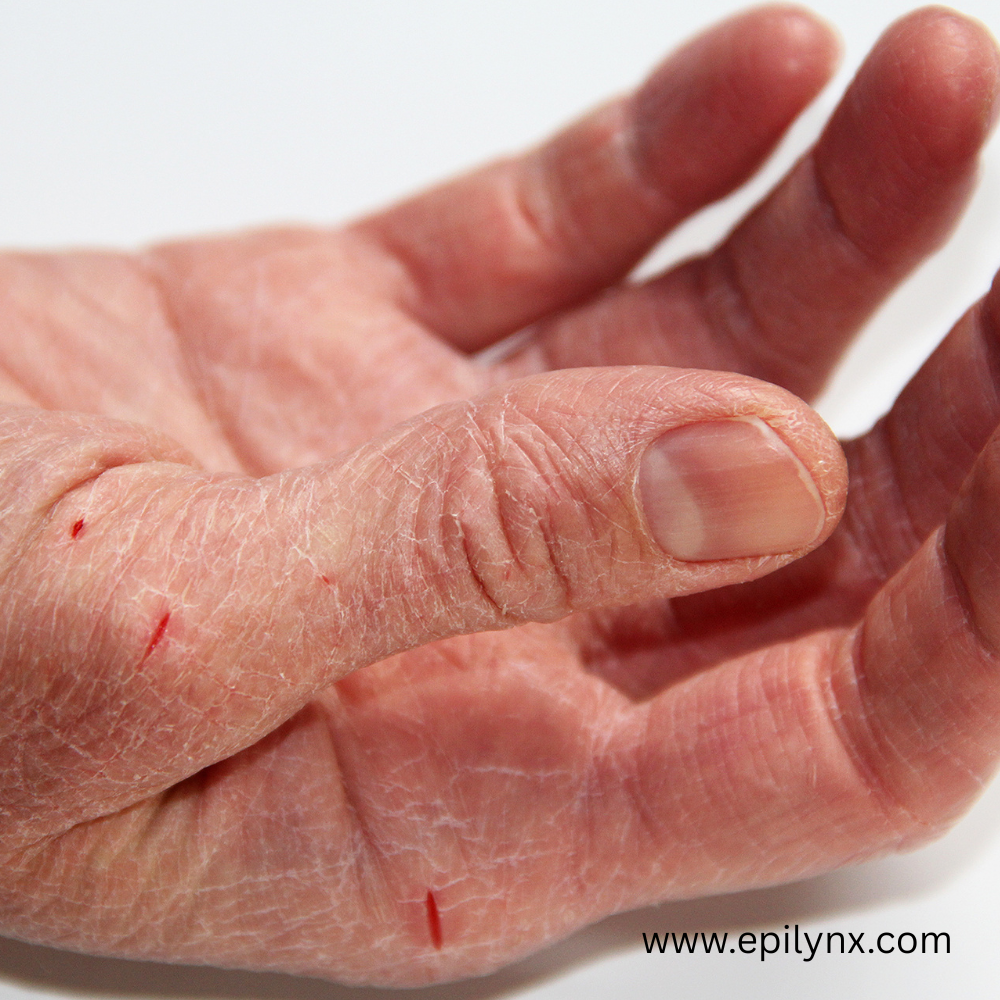
Hands heal slower than anywhere else because you keep using them. A pharmacist explains the glove rule, the ointment rule, and why hand cream alone is not enough.

Read more
The 26 declarable fragrance allergens to check on any label — from EpiLynx by Dr. Liia

Fragrance Allergy: The 26 Names You Have to Check For

The EU requires 26 fragrance allergens to be declared by name. A pharmacist lists all of them, explains where they hide, and what to do if you react.

Read more
Irritant vs allergic contact dermatitis — how to tell them apart, from EpiLynx by Dr. Liia

Irritant vs Allergic Contact Dermatitis: How to Tell Which One You Have

Irritant and allergic contact dermatitis look similar and need different responses. A pharmacist explains how to tell them apart and what to do about each.

Read more
Patch testing explained — how to identify a delayed contact allergen, by EpiLynx by Dr. Liia

Patch Testing: What to Expect, How to Read the Results, and Why It Is Worth It

Patch testing is the only way to identify a contact allergen. A pharmacist explains the three appointments, what the results mean, and how it differs from allergy skin prick testing.

Read more