
By Dr. Liia, PharmD — Pharmacist & Founder, EpiLynx by Dr. Liia | 8 min read
Propylene glycol is in more skincare products than almost any other ingredient. Your moisturiser, your serum, your toner, your SPF, your primer, probably your shampoo. It is FDA-approved as generally recognised as safe, it is in food and in medicines, and most people tolerate it completely.
If you are one of the people who does not, avoiding it is one of the most frustrating problems in skincare — because it is everywhere, and because propylene glycol allergy is both underdiagnosed and routinely dismissed.
Why it is in everything
Propylene glycol (1,2-propanediol) does five jobs at once, which is why formulators find it hard to replace:
- Humectant — draws water to the skin surface. Less effective than glycerin, but it brings other properties glycerin does not.
- Solvent — dissolves fragrance components, preservatives and actives so they mix into water-based formulas.
- Penetration enhancer — improves absorption of other ingredients. Useful for actives, and precisely why it can be a problem on sensitive skin: it enhances penetration of everything in the formula, including anything you react to.
- Preservative booster — antimicrobial at higher concentrations.
- Texture modifier — stops products feeling thick or tacky.
That third property is the one that matters most if your skin is reactive, and it is the reason a “gentle” product can still make everything worse. If you are trying to calm skin down, the sensible first move is a short, simple routine where every ingredient is disclosed and there is nothing being driven deeper. The Gluten-Free Vegan Moisturizer for Sensitive & Dry Skin is the one I would start with — full ingredient list published, no fragrance, nothing added to push actives through a compromised barrier.
Allergy or irritation? They are not the same
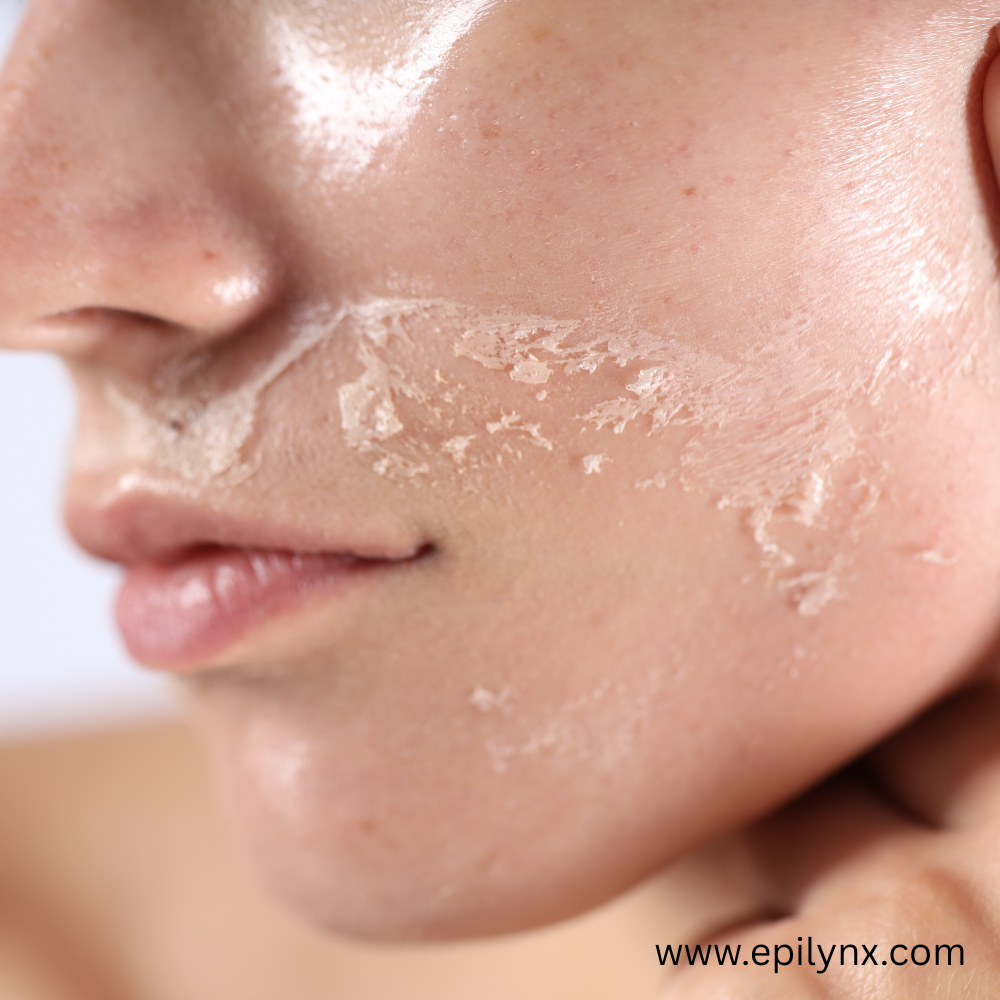
Irritant contact dermatitis. Above roughly 10%, propylene glycol is a direct irritant. It disrupts the barrier and produces stinging or burning on application. That is chemistry, not immunology — anyone with compromised skin can experience it. If a product stings immediately and propylene glycol sits high on the ingredient list, this is the likely explanation.
Allergic contact dermatitis. At lower concentrations, some people have a genuine T-cell-mediated delayed reaction: 12–72 hours after exposure, redness and itching at the site, reliably recurring on re-exposure. This is confirmed by patch testing — the standard series uses 30% propylene glycol in water, which distinguishes allergy from irritation.
Why it gets missed
It is in almost everything. You never get a clean comparison between a product that causes a reaction and one that does not, so the reaction gets filed under “sensitive skin” rather than traced to an ingredient.
The delay confounds you. A 12–72 hour lag means the culprit was applied one to three days before the rash appears. You are thinking about this morning, not Tuesday.
It is in medications. Propylene glycol is a vehicle in topical steroid creams, antifungals and wound preparations. If your eczema treatment cream makes things worse, the vehicle rather than the active may be why. This is documented and frequently missed.
It is in food. As E1520 it appears in some processed foods and flavourings, so for highly sensitised people the pattern extends past skincare, which muddies the picture further.
Where it hides on a label
Primary names: Propylene Glycol · 1,2-Propanediol · 1,2-Dihydroxypropane · Methyl Ethyl Glycol · Trimethyl Glycol.
Related glycols worth knowing, because cross-reaction is possible: butylene glycol, pentylene glycol, dipropylene glycol, propanediol (often marketed as the “natural” alternative — chemically distinct, but worth patch testing if you are confirmed PG-allergic).
Where we stand. I am not going to tell you EpiLynx is propylene-glycol-free, because I will not make a claim I have not verified against every current formula. What I will say is that every ingredient list is published in full on the product page — so you can check before you buy, which is more than most brands let you do. If it is not clear, write to us and we will answer.
Building a routine when you react to it
- Get patch tested first. Propylene glycol allergy is confirmable, and confirming it saves you years of guessing. Ask specifically — it is in the standard series.
- Simplify hard. Fewer products means fewer variables. Cleanser, moisturiser, SPF and nothing else for a fortnight.
- Cleanse with the Gluten-Free Vegan Facial Cleanser — non-stripping, so you are not compounding barrier damage.
- Moisturise with the Gluten-Free Vegan Moisturizer, or the richer Calming Face Cream if the skin is dry as well as angry.
- Check your medicines too. If you use a prescription topical, ask your pharmacist about the vehicle — an alternative base is often available.
Alternatives that do the same jobs: glycerin as a humectant, squalane as an emollient, and simple preservative systems that do not need a booster.
Frequently Asked Questions
Is propylene glycol bad for your skin?
For most people, no — it is well studied and well tolerated. The problems are specific: direct irritation above roughly 10%, genuine allergy in a minority, and its penetration-enhancing effect on already-reactive skin.
How do I know if I am allergic to propylene glycol?
Patch testing. It is in the standard dermatology series, tested at 30% in water, and that concentration is chosen specifically to tell allergy apart from irritation. Self-diagnosis is unreliable here because the ingredient is in nearly everything.
Is propanediol the same as propylene glycol?
No — 1,3-propanediol is chemically distinct and often marketed as the naturally derived alternative. Most people who react to propylene glycol tolerate it, but if your allergy is confirmed it is still worth patch testing before committing.
Can propylene glycol in my prescription cream be causing a reaction?
Yes, and this is regularly missed. It is a common vehicle in topical steroids and antifungals. If a treatment cream seems to make things worse, ask your pharmacist whether the same active is available in a different base.
🌿 A short routine while you work it out:
- Gluten-Free Vegan Facial Cleanser — gentle, non-stripping
- Gluten-Free Vegan Moisturizer — daily, full ingredient list published
- Calming Face Cream — for dry and reactive together
Gluten-free, nut-free, vegan and fragrance-free. Free US shipping on orders over $39. Use code EPILYNXGLOW25 for 25% off.
Keep reading: How to Read Skincare Ingredient Labels · Contact Dermatitis vs Eczema vs Rosacea