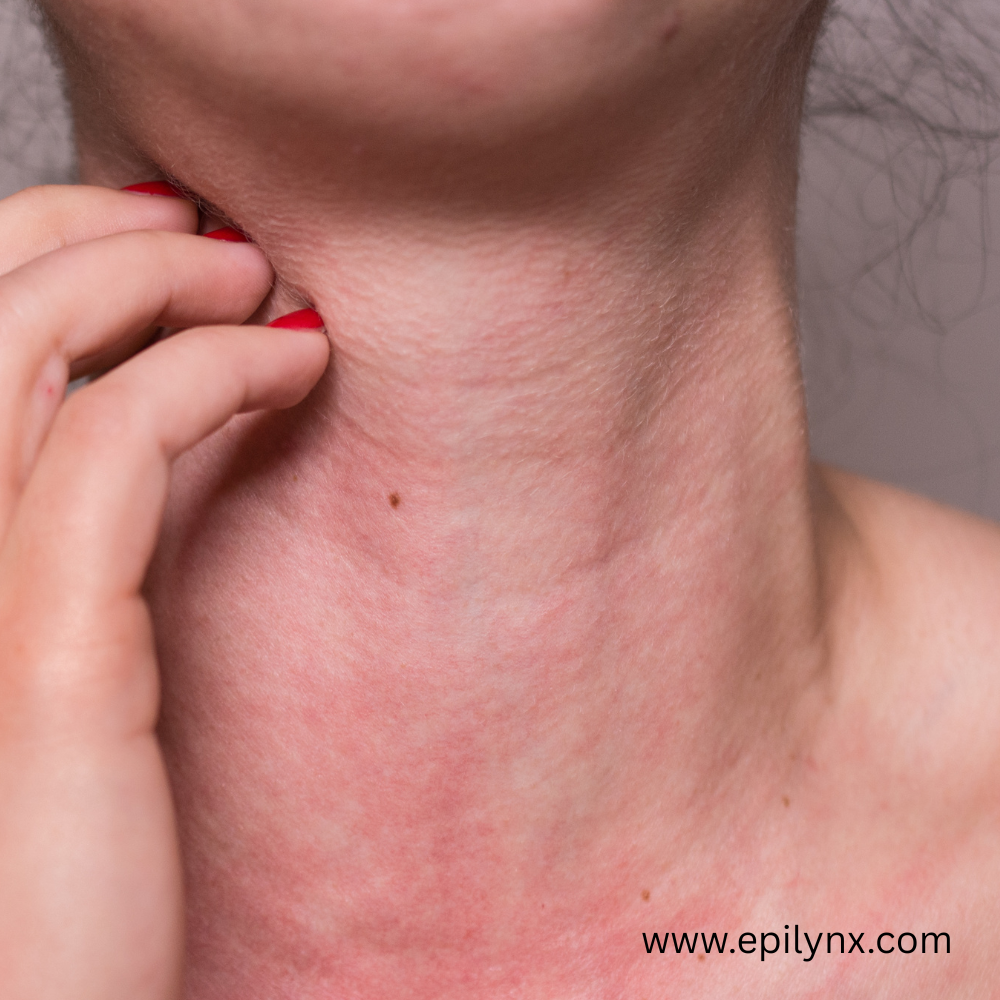
Article: Menopausal Dry Skin: The Most Common Symptom, Properly Addressed

Menopausal Dry Skin: The Most Common Symptom, Properly Addressed
Of all the skin changes of perimenopause and menopause, dryness is the most common by a clear margin — around 64% of women report it, ahead of itching at 56% and acne at 30%. It is also usually the first to appear, often arriving before hot flushes and therefore rarely connected to hormones at all.
Most women respond by buying a richer moisturiser, find it helps a little, and conclude this is simply how things are now. It is not. Menopausal dryness has four separate mechanisms, and a routine that addresses all four works considerably better than one that addresses only the last.
The four mechanisms
- Fewer barrier lipids. Oestrogen supports production of ceramides, cholesterol and fatty acids — the mortar between skin cells. Less mortar means water escapes faster. This is the main one.
- Less dermal hyaluronic acid. Oestrogen supports its synthesis. Less of it means the deeper layers hold less water to supply upward.
- Reduced sebum production. Sebaceous output falls, removing the surface film that slows evaporation.
- Thinner skin overall. Less tissue, less water-holding capacity, and a shorter distance for water to escape.
Note that these are not the same problem. One and three are oil problems. Two is a water problem. A product that addresses only one of them cannot fix all of it — which is exactly why a rich cream alone leaves you greasy and still tight. The distinction is explained further in Dehydrated Skin vs Dry Skin.
The three-layer routine
Because you are losing both water-attracting and water-holding capacity, you need to supply both, in this order:
- Humectant, on damp skin. Glycerin, hyaluronic acid, panthenol. Damp is not optional — humectants applied to dry skin in dry air can pull water outward and leave you drier.
- Emollient. Fills the gaps between roughened cells, restores smoothness.
- Occlusive. Replaces the sebum you are no longer making. This is the layer most people skip and the one that matters most after menopause.
A cream that does all three saves you steps. Apply within three minutes of showering.
What to stop doing
- Hot showers. Barrier lipids literally dissolve at higher temperatures. Lukewarm, under ten minutes.
- Foaming sulfate cleansers, face and body. If it squeaks, it stripped you.
- Soap on your legs and arms. Most days they need water only.
- Exfoliating the flakes off. The flaking is a symptom of barrier failure. Scrubbing accelerates it.
- Drying fully with a towel. Pat, stop while damp.
- Alcohol denat. in toners and light lotions.
- Adding more actives because your skin "looks worse." This is the stage to do less.
The areas that need separate attention
- Shins — almost no oil glands and the worst circulation. Balm twice daily. See Dry Skin on Legs and Shins.
- Hands — washed twenty times a day, very few oil glands on the back. Cream after every wash.
- Lips — no sebaceous glands at all. See Lips After 40.
- Eyelids — the thinnest skin on the body, and often the first place products start to sting.
- Neck and chest — thin, oil-poor, and almost never protected. See The Neck and Décolleté Guide.
Environmental levers people underestimate
- Humidify to 40 to 50%. Indoor heating routinely drops rooms to 15%, which is desert-equivalent. You spend eight hours a night in that.
- Night sweats leave salt residue that draws water out of the skin. Rinse or wipe with cool water rather than letting it dry.
- Air conditioning in summer does the same thing as heating in winter.
What else to rule out
Menopausal dryness is common, but so are these, and they compound it:
- Hypothyroidism — around 65% of people with Hashimoto’s have dry skin, and thyroid disease is more common in women at this age. See Hashimoto’s, Hypothyroidism and Dry Skin.
- Sjögren’s syndrome — if eyes and mouth are dry too. See Sjögren’s Syndrome and Dry Skin.
- Iron deficiency, common with heavy perimenopausal bleeding.
- Medications — diuretics, statins, retinoids, antihistamines.
- Diabetes.
If dryness is severe, sudden, or accompanied by fatigue and cold intolerance, ask for a blood panel.
How long before it improves
Hydration improves within days. Barrier repair takes about four weeks of consistency. Menopausal dryness specifically often takes two to three months, because you are compensating for reduced production rather than correcting a temporary insult. Two good weeks followed by a hot-shower week resets the clock.
What I actually reach for
- Sunrise Hyaluronic Acid Serum — the humectant layer, on damp skin.
- Rich Calming Cream — emollient and occlusive together, face.
- Super Nourishing Calming Face Cream — when the face is genuinely flaking.
- Skin Relief Body Cream — the three-minute rule.
- Velvet Hydration Body Balm — shins, elbows, knees.
- Moisturizers and Mature Skin
Educational information from a pharmacist, not medical advice.