Winter Skin: Why Cold Weather Destroys Your Barrier and How to Repair It
Winter skin is not caused by cold. It is caused by dryness — specifically, three separate sources of it that all arrive at once and compound each other.
The three-part mechanism
- Cold outdoor air holds almost no water. Air at 0°C at 100% humidity holds roughly a fifth of the water that air at 20°C does. Outside, your skin loses water to the atmosphere continuously.
- Indoor heating drops relative humidity to 10 to 20%, which is comparable to desert conditions. So there is no relief indoors — the environment simply changes from cold and dry to warm and dry.
- Barrier lipids stiffen in the cold. The ceramides and fatty acids between your skin cells become less fluid and crack at a microscopic level, which lets more water out and more irritants in. Then you take a hot shower, which dissolves what lipids are left.
The result is a barrier that is being attacked from four directions at once. This is why a routine that worked perfectly in August fails completely in January.
What to change, in order of impact
- Shower temperature and duration. Lukewarm, under ten minutes. This is the highest-impact change and it costs nothing.
- Moisturise within three minutes of getting out, on skin that is still damp. Second highest impact.
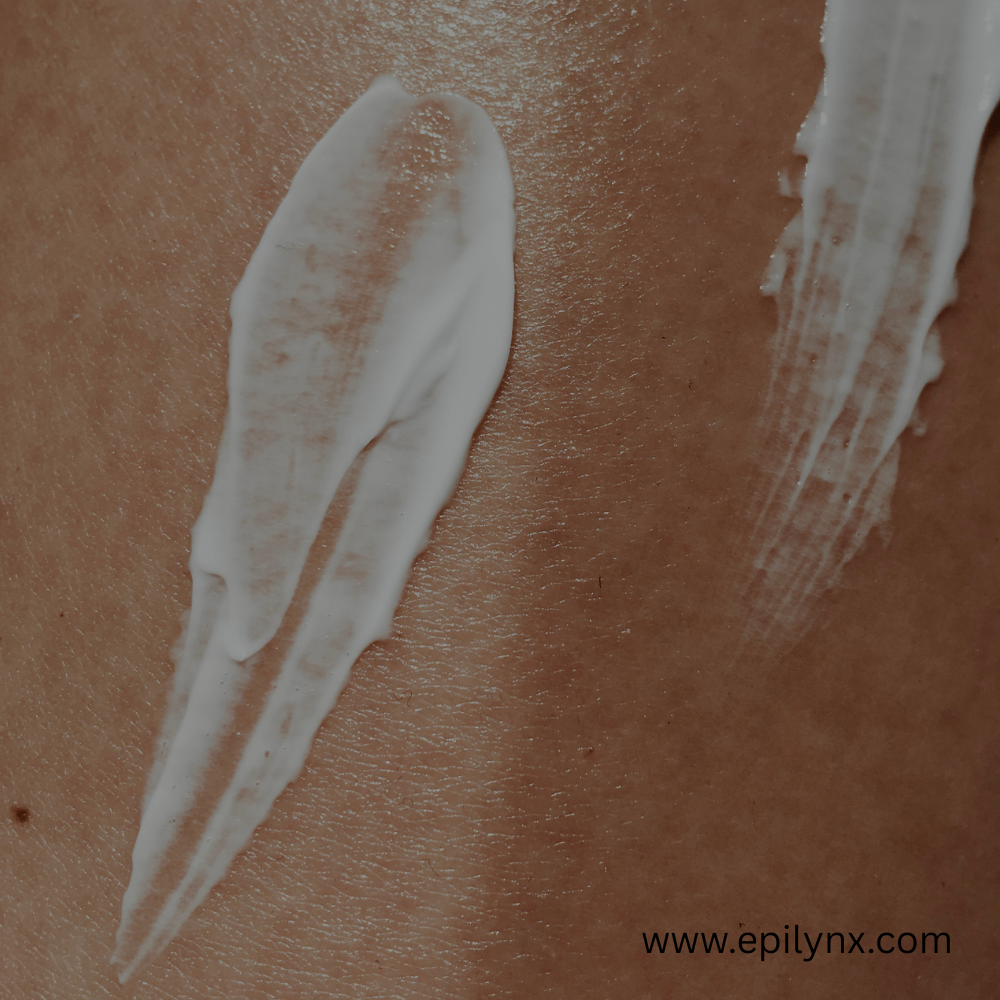
- Switch from lotion to cream, and from cream to balm on the driest areas. Lotions are mostly water.
- Change your cleanser. If it foams a lot, it is stripping. Move to a non-foaming or low-foam cleanser for the season and switch back in spring.
- Add a humidifier in the bedroom. Target 40 to 50% relative humidity. This does more for winter skin than any product.
- Hands, separately. Hands get washed twenty times a day and have almost no sebaceous glands on the dorsum. They need cream after every wash, not once a day.
- Lips, separately. See The Lip Balm Ingredients Making Your Dry Lips Worse — and avoid anything with a tingle, which is most of what is sold in winter.
- Do not stop wearing SPF. UVA passes through cloud and glass year round, and snow reflects up to 80% of UV back at your face.
Signs your barrier is actually damaged, not just dry
- Products that never used to sting now sting
- A tight feeling that persists more than a few minutes after cleansing
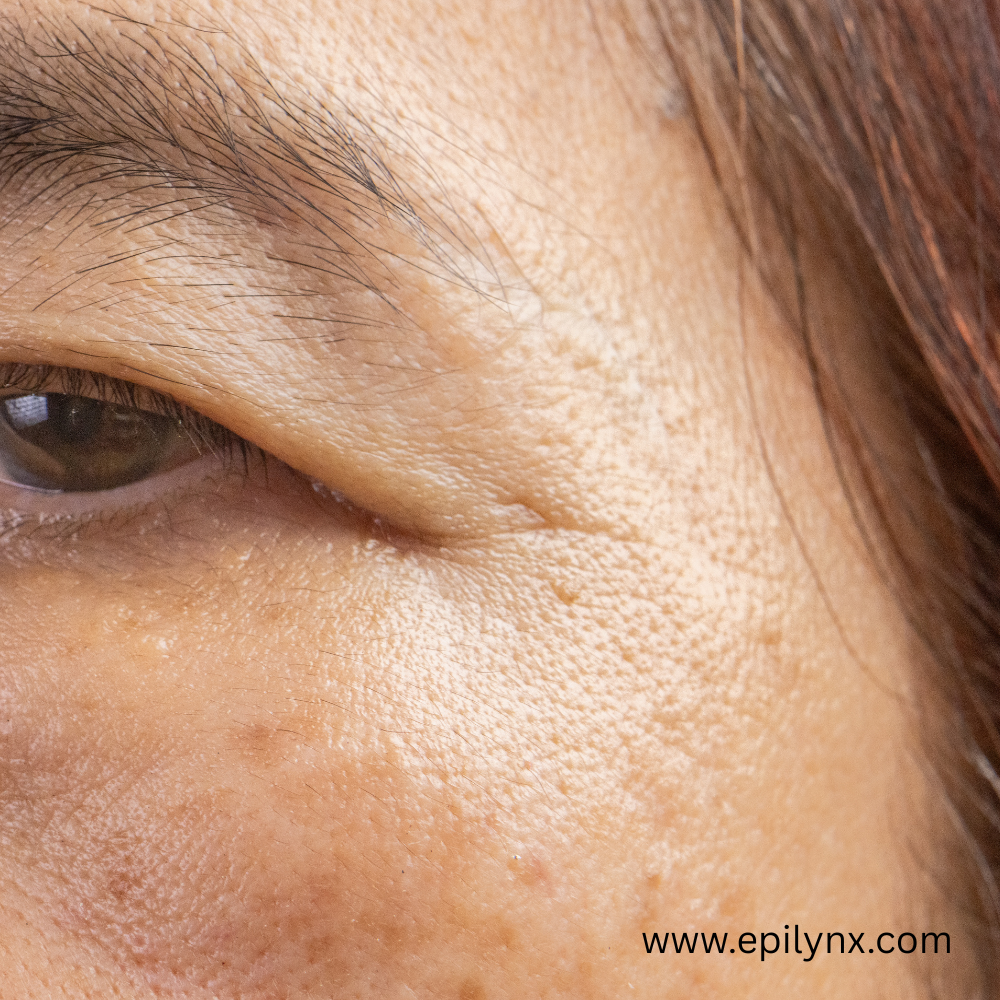
- Fine flaking, especially around the nose and mouth
- Redness that comes and goes without an obvious trigger
- Skin that looks dull and rough no matter how much you moisturise
If you recognise three or more of those, stop all actives — retinoids, acids, vitamin C, exfoliation — for two full weeks. Cleanse, moisturise, SPF, nothing else. This feels like doing nothing and it is the fastest route back. Then reintroduce one active at a time.
The winter mistakes I see most
- Exfoliating the flakes off. The flakes are a symptom of barrier damage. Removing them mechanically damages it further.
- Applying oil to dry skin and expecting hydration. Oils seal, they do not moisturise. Damp skin first — as covered in 9 Mistakes You’re Making When You Moisturize.
- Adding more actives because skin "looks bad." Winter is the season to do less.
- Long hot baths. Comforting, and the single worst thing for a compromised barrier.
- Ignoring the neck, chest and hands entirely.
What I actually reach for in winter
- Rich Calming Cream — the winter upgrade from a lighter moisturiser.
- Super Nourishing Calming Face Cream — for extremely dry, sensitive skin.
- Velvet Hydration Body Balm — for shins, elbows and anywhere cracking.
- Ultra-Hydrating Hand Cream — keep one at every sink.
- Gentle Hydrating Facial Cleanser — the seasonal cleanser swap.
- Moisturizers and Body
Related reading
- The Difference Between Dry and Dehydrated Skin
- The Complete Eczema Skincare Routine: What a Pharmacist Actually Uses
Educational information from a pharmacist, not medical advice.