What Actually Fades Dark Spots: Hyperpigmentation, Melasma and PIH Explained
All dark spots are excess melanin, but they get there by different routes, and the route determines the treatment. Treating melasma like a sun spot will make it worse. Here is how to tell them apart and what actually works for each.
The three types
Sun spots (solar lentigines). Discrete, well-defined brown patches on sun-exposed areas — face, hands, chest, shoulders. Accumulated UV damage. These respond well to topicals and very well to in-office treatment.
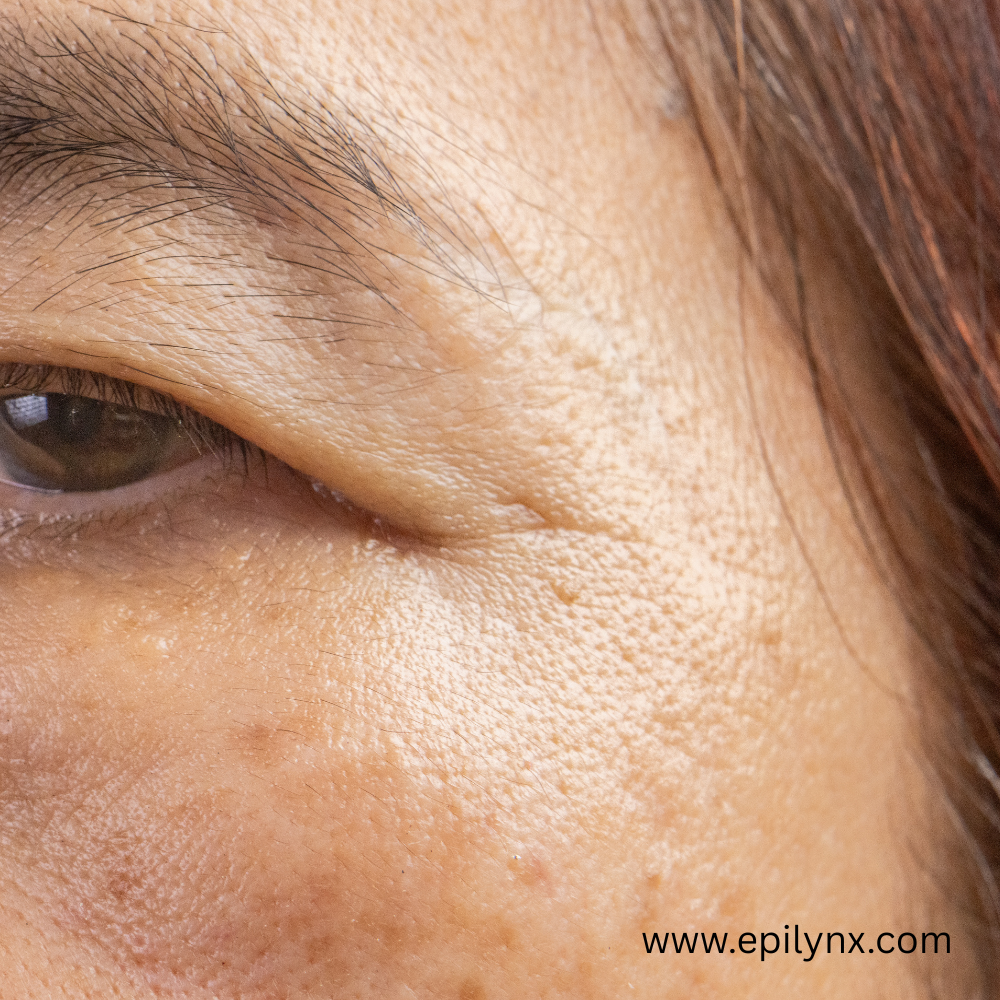
Melasma. Larger, symmetrical, blurry-edged patches, usually on cheeks, forehead and upper lip. Hormonally driven — pregnancy, oral contraceptives, perimenopause — and worsened by heat and visible light, not just UV. Chronic and relapsing. The goal is management, not cure.
Post-inflammatory hyperpigmentation (PIH). Marks left behind by acne, eczema, a burn, waxing, or picking. Follows the shape of whatever caused it. More common and more persistent on deeper skin tones. It does fade on its own — slowly — and topicals accelerate it.
The actives that work, ranked by evidence
- Sunscreen. Not a treatment, the treatment. Nothing else you do will hold if UV and visible light keep re-stimulating melanocytes. For melasma specifically you need a tinted mineral SPF, because iron oxides block visible light and plain sunscreen does not. Details in Sunscreen for Allergic and Sensitive Skin.
- Vitamin C. Inhibits tyrosinase and provides antioxidant protection. Best all-rounder, works on all three types, and safe long term. Morning use.
- Niacinamide. Blocks the transfer of melanin from melanocytes to skin cells. Gentle, works well alongside everything else. See Niacinamide or Vitamin C.
- Kojic acid. A fungal-derived tyrosinase inhibitor. Genuinely effective, particularly on PIH, and better tolerated than hydroquinone on sensitive skin.
- Retinoids. Accelerate turnover so pigmented cells shed faster, and improve penetration of everything else. See Retinol Without the Peeling.
- Azelaic acid. Underrated. Works on pigment and acne simultaneously, and is pregnancy-safe, which matters for melasma.
- Alpha arbutin, tranexamic acid, liquorice root. All useful adjuncts, particularly for melasma.
The rules that determine whether it works
- Twelve weeks minimum before judging anything. Melanin sits deep and turnover is slow.
- SPF every day, including winter, including indoors near windows. Skipping it for a week undoes a month.
- Do not over-exfoliate. The most common mistake by a wide margin. Aggressive acids cause inflammation, and inflammation causes more pigment. On deeper skin tones this reliably makes things worse.
- Treat the cause of PIH first. Fading acne marks while still getting new acne is running to stand still.
- Never pick. One picked spot equals three to six months of PIH.
- Heat matters for melasma. Saunas, hot yoga, standing over a stove. Not just sunlight.
A routine that covers all three
- Morning: gentle cleanse, vitamin C serum, moisturiser, tinted mineral SPF.
- Night: gentle cleanse, targeted brightening cream (kojic acid or tone repair), moisturiser. Retinoid two to three nights a week instead of the brightening step, once tolerated.
- Weekly: gentle exfoliation once, no more. Skip entirely if skin is at all irritated.
What I actually reach for
- Brightening Vitamin C Glow Serum — the morning cornerstone.
- Brightening Tone Repair Cream — targeted, for evening.
- Kojic Acid Brightening Face Cream — best for PIH from acne.
- Tinted CC Moisturizer SPF 55 — the tint is doing real work here, not just coverage.
- Hyperpigmentation collection
Educational information from a pharmacist, not medical advice. Any pigmented lesion that changes shape, colour or size should be examined by a doctor.