
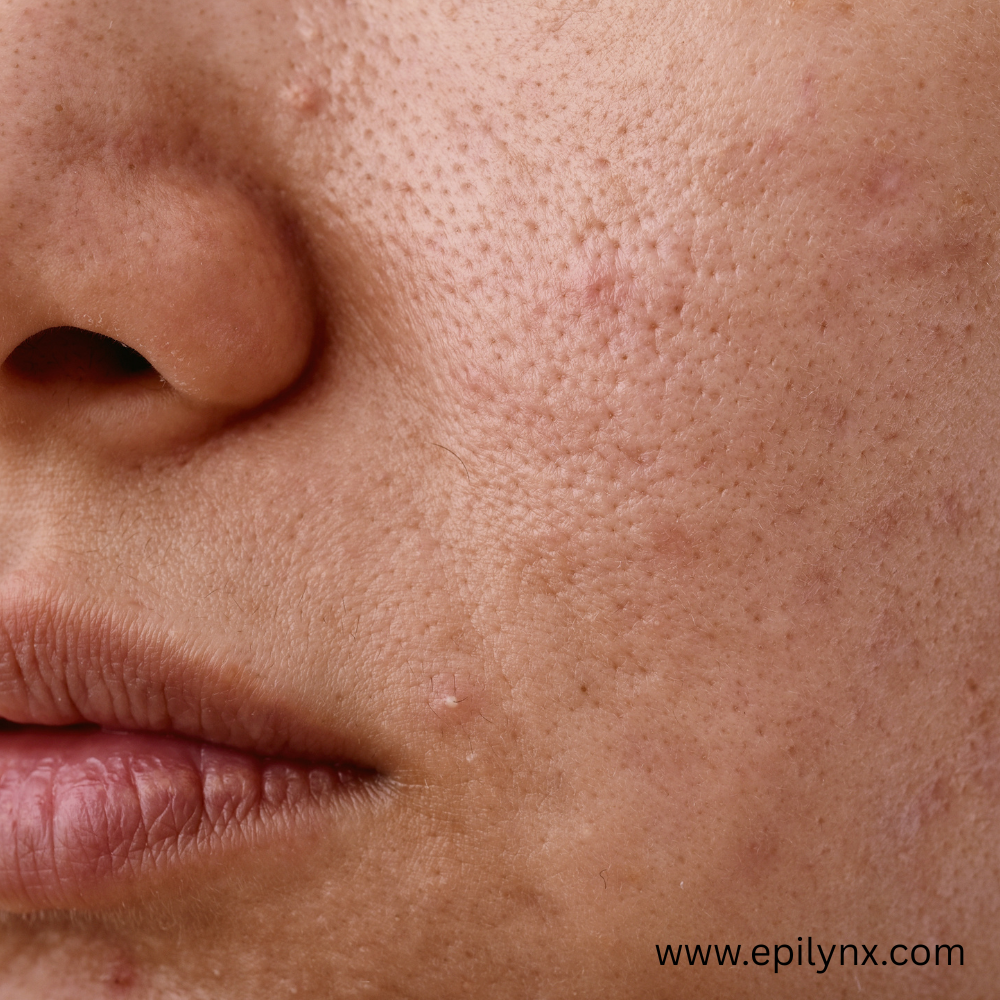
You cut out gluten six months ago. Your gut feels dramatically better. But your skin is still doing something wildly frustrating — breaking out in patches, or staying red and reactive, or developing rashes in places you never used to have them. You did everything right on the inside. Why is your skin still acting like it didn't get the memo? The answer is the gut-skin axis — one of the most fascinating and underappreciated connections in medicine — and understanding it might be the missing piece in your skin health puzzle.
What the gut-skin axis actually is
The gut-skin axis refers to the bidirectional communication network between your gastrointestinal system and your skin. It's not metaphorical — it's a real, documented set of biological pathways including the immune system, the nervous system, the endocrine (hormone) system, and the gut microbiome, all of which influence skin health in measurable ways.
The simplest way to think about it: your gut and your skin are both barrier organs. Both interface with the external world. Both have large immune system presences. Both maintain complex microbial communities. And both are profoundly affected by the same upstream drivers: inflammation, immune dysregulation, microbial imbalance, and nutritional status. When something goes wrong in one, the effects rarely stay contained to that organ.
The immune connection
Approximately 70% of the immune system lives in the gut — in lymphoid tissue along the intestinal lining. When the gut is inflamed (as in celiac disease, inflammatory bowel disease, or food allergy reactions), this immune activation doesn't stay local. Pro-inflammatory cytokines — signaling molecules like IL-6, TNF-alpha, and IL-17 — circulate systemically and reach the skin, where they can trigger or worsen inflammatory skin conditions including eczema, psoriasis, rosacea, and acne.
The microbiome connection
The gut microbiome — the community of trillions of bacteria, fungi, and other microorganisms living in your intestines — directly influences skin health through several pathways. Gut bacteria produce short-chain fatty acids (SCFAs) that have anti-inflammatory effects systemically, including in skin. Dysbiosis (microbial imbalance in the gut) is associated with elevated levels of inflammatory mediators that affect skin. Specific gut bacterial imbalances have been identified in people with eczema, rosacea, and psoriasis at rates significantly higher than in people without these conditions.
The intestinal permeability connection
"Leaky gut" — technically intestinal hyperpermeability — occurs when the tight junctions between intestinal cells become compromised, allowing substances that should stay in the gut (including bacterial fragments, undigested proteins, and toxins) to pass into the bloodstream. In celiac disease, gluten exposure directly causes this intestinal permeability. Once these substances enter circulation, they can trigger systemic immune responses that manifest as skin inflammation.
The nutrient absorption connection
Gut inflammation and damage impair the absorption of nutrients critical for skin health. Celiac disease specifically causes malabsorption of zinc (important for wound healing and barrier function), Vitamin D (immune regulation), iron (skin oxygenation), and Vitamin A (skin cell differentiation). These deficiencies can persist even after dietary gluten elimination if gut damage is extensive — and they show up in skin quality, healing capacity, and barrier function.
What celiac disease does to the skin beyond dermatitis herpetiformis
Most people know about dermatitis herpetiformis (DH) — the direct skin manifestation of celiac disease that causes intensely itchy blistering on elbows, knees, and buttocks. But celiac disease's effects on skin go considerably further:
- Psoriasis: Multiple studies find elevated rates of psoriasis in celiac patients; some find improvement with a strict gluten-free diet in those with both conditions
- Eczema (atopic dermatitis): Association between celiac and eczema is well-documented; the shared inflammatory pathways drive both conditions
- Rosacea: Research has identified statistically significant associations between rosacea and celiac disease; gluten-free diet adherence improves rosacea in some celiac patients
- Alopecia areata: An autoimmune hair loss condition with documented higher prevalence in celiac patients
- Chronic urticaria: Hives without obvious cause have been linked to celiac disease in multiple case series
- Vitiligo: Another autoimmune condition with elevated rates in celiac patients through shared immune pathways
- General skin dryness and poor wound healing: Related to zinc, Vitamin A, and fatty acid malabsorption from gut damage
The mechanism common to all of these: chronic immune activation from gut inflammation creates a systemic inflammatory state that lowers the threshold for skin inflammatory responses and disrupts the normal regulatory mechanisms that keep skin conditions in check.
The food allergy skin connection
Food allergies trigger skin reactions through well-defined immunological pathways. IgE-mediated food allergies (the immediate-type hypersensitivity responsible for anaphylaxis) can cause acute urticaria (hives), angioedema, and eczema flares within minutes to hours of exposure. But the skin-food connection goes beyond immediate allergies:
Food sensitivities and delayed skin reactions
Non-IgE-mediated food reactions — including non-celiac gluten sensitivity, food protein-induced conditions, and other delayed hypersensitivity reactions — can cause skin manifestations that appear 24–72 hours after exposure, making the connection harder to identify. These delayed reactions are mediated by T cells rather than IgE antibodies, and they produce the kind of low-grade, chronic skin inflammation that shows up as persistent eczema, chronic rosacea, or inexplicably reactive skin rather than acute hives.
The oral allergy syndrome-skin crossover
Some people with pollen allergies develop cross-reactive responses to certain foods (oral allergy syndrome). In some cases, these cross-reactions extend to topical exposures — particularly relevant for people who find that plant-based or "natural" skincare products containing pollen-related plant extracts trigger skin reactions similar to their food reactions.
Why your skincare routine is part of the gut-skin axis equation
Here's the crucial insight that most gut-skin axis content misses: the relationship isn't just gut → skin. It's also skin → gut, particularly through lip products and anything applied near mucous membranes.
For people with celiac disease or non-celiac gluten sensitivity, every application of a gluten-containing lip product represents a gluten ingestion event. Every application of a fragrance-containing product to already-inflamed skin generates additional inflammatory signaling that contributes to the systemic inflammatory burden. Every contact reaction to an allergen in a skincare product creates localized immune activation that adds to the total inflammatory load on a body already managing chronic gut inflammation.
This is why an allergen-free skincare routine isn't just "nice to have" for people with gut-skin axis issues — it's a meaningful reduction in total inflammatory burden that complements dietary and medical management of the gut condition.
The microbiome angle: skin AND gut
Both the gut and the skin have their own microbiome communities, and they communicate with each other. The gut microbiome influences the skin microbiome through immune system regulation and circulating metabolites. Disruptions to the gut microbiome (from antibiotic use, diet changes, or gut inflammation) are reflected in changes to the skin microbiome — with documented effects on eczema, acne, and rosacea.
What this means practically: the same dietary and lifestyle factors that support a healthy gut microbiome (diverse plant foods, fermented foods, reduced processed sugar and alcohol) also support the skin microbiome and reduce inflammatory skin conditions. And on the topical side: using skincare products that don't disrupt the skin's own microbial communities (fragrance-free, without harsh biocidal preservatives like MIT) supports the same microbiome balance.
The gut-skin approach to skincare
Building your skincare routine with the gut-skin axis in mind means:
1. Eliminate all topical allergens that parallel your food triggers
If you avoid gluten in food, avoid it in all skincare — especially lip products, eye products, and anything applied near mucous membranes. If you have tree nut allergies, avoid almond oil, macadamia oil, and other nut derivatives in skincare. The inflammatory mechanisms are parallel.
The Color-Changing Flower Lip Gloss, Matte Lip Stain, and full Lip Set are all gluten-free and nut-free — the lip product swaps that matter most for celiac and allergy patients.
2. Prioritize barrier repair
Gut inflammation increases intestinal permeability. The skin equivalent — increased transepidermal permeability — worsens when the skin barrier is damaged. Repairing the skin barrier with ceramide-rich, allergen-free moisturizers reduces the skin's "leakiness" to environmental allergens and irritants in parallel to the dietary work being done to heal the gut lining.
The Miracle Face Cream with Hemp Seed Oil and Ceramides and the Super Nourishing Calming Cream with Borage Seed Oil and Allantoin are the most barrier-intensive options in the EpiLynx range — directly addressing the skin side of the leaky barrier equation.
3. Use anti-inflammatory actives that support both sides
Certain topical ingredients have anti-inflammatory effects that complement the dietary anti-inflammatory work of gut-focused healing:
- Niacinamide — reduces inflammatory cytokines locally in skin, paralleling its documented benefits for gut barrier function as a supplement
- Aloe Vera — anti-inflammatory topically; also used therapeutically for gut inflammation
- Centella Asiatica — wound healing and anti-inflammatory in skin; the same botanical has gut-protective research
- Green Tea Extract — potent topical antioxidant and anti-inflammatory
These appear throughout the EpiLynx range — in the Vitamin C Glow Serum, Lifting & Firming Cream, and EpiSilk Crystal Serum.
4. Remove fragrance from your entire routine
Fragrance compounds are potent contact sensitizers that trigger localized and sometimes systemic immune activation. For someone already managing chronic gut-driven immune activation, this additional inflammatory input is genuinely worth eliminating. Fragrance-free is not a preference for people with active gut conditions — it's a meaningful reduction in total immune system burden.
Every EpiLynx product is completely fragrance-free — no synthetic fragrance, no essential oil fragrance. This is one of the brand's most fundamental commitments.
What to actually do: the integrated gut-skin approach
| Gut Side | Skin Side (EpiLynx) | Shared Benefit |
|---|---|---|
| Strict gluten-free diet (celiac) | Gluten-free skincare across all products | Eliminates gluten from both ingestion and topical routes |
| Avoid food allergens | Allergen-free skincare (no nut oils, no gluten) | Reduces total allergen-mediated immune activation |
| Support gut microbiome (fermented foods, diversity) | Microbiome-friendly skincare (no harsh biocides, fragrance-free) | Supports microbial balance in both gut and skin |
| Reduce gut inflammation (diet, medication) | Anti-inflammatory topicals (Niacinamide, Aloe, Green Tea) | Reduces systemic inflammatory burden from both directions |
| Repair gut lining (L-glutamine, zinc) | Repair skin barrier (ceramides, Borage Seed Oil, Allantoin) | Restores barrier function in both barrier organs simultaneously |
Frequently asked questions
If I fix my gut, will my skin problems go away automatically?
For many people with documented gut conditions causing skin manifestations, yes — significant improvement in skin is common once the gut condition is well-managed. However, the timeline is longer than people expect (months, not weeks), and skin conditions often have their own local drivers (barrier dysfunction, microbiome imbalance, topical allergen exposure) that require direct skin-side management even when the gut is healing. The most effective approach addresses both sides simultaneously.
Can probiotics help skin conditions?
The research is promising, particularly for eczema (where specific probiotic strains have shown benefit in clinical trials) and for acne. The mechanism is the gut-skin axis: improving gut microbial balance reduces systemic inflammatory signaling that contributes to skin inflammation. Topical probiotics and prebiotic skincare are also showing early promise for directly supporting the skin microbiome.
I've been strictly gluten-free for a year and my skin is still reacting. What else could be driving it?
Several possibilities: topical gluten exposure (lip products, skincare) continuing to provide gluten ingestion despite dietary elimination; other food sensitivities unrelated to gluten; topical allergens in skincare products (fragrance, nut oils) maintaining a continuous inflammatory trigger; the gut is healed but the skin conditions have become locally self-sustaining through their own feedback loops; nutrient deficiencies from the period of celiac damage that are still resolving. An elimination approach to topical allergens — switching to a fully allergen-free skincare range like EpiLynx for 8 weeks — is worth trying if dietary elimination alone hasn't resolved skin symptoms.
The bottom line
The gut-skin axis is not a wellness buzzword — it's a real biological connection with real clinical implications. If you have celiac disease, food allergies, IBS, or gut inflammation, your skin is almost certainly downstream of what's happening in your gut. And the skincare products you use every day either add to that inflammatory burden or help reduce it.
EpiLynx was built specifically for the intersection of gut health and skin health. Gluten-free. Nut-free. Fragrance-free. Anti-inflammatory actives. Barrier repair. All of it informed by a founder who lives the gut-skin connection daily.
Shop the full EpiLynx collection and use code EPILYNXGLOW35 for 35% off. Take the free Skin Quiz for personalized product recommendations.
— Dr. Liia, PharmD, Founder of EpiLynx by Dr. Liia