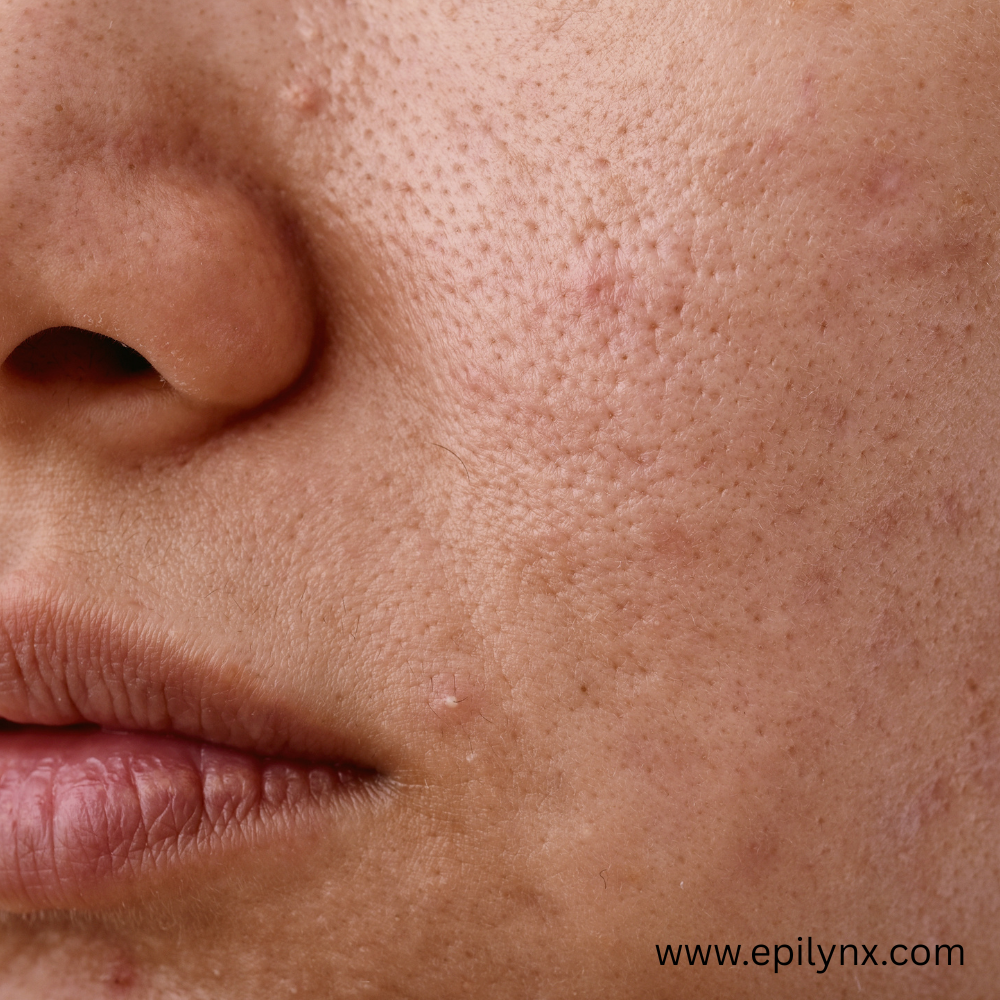
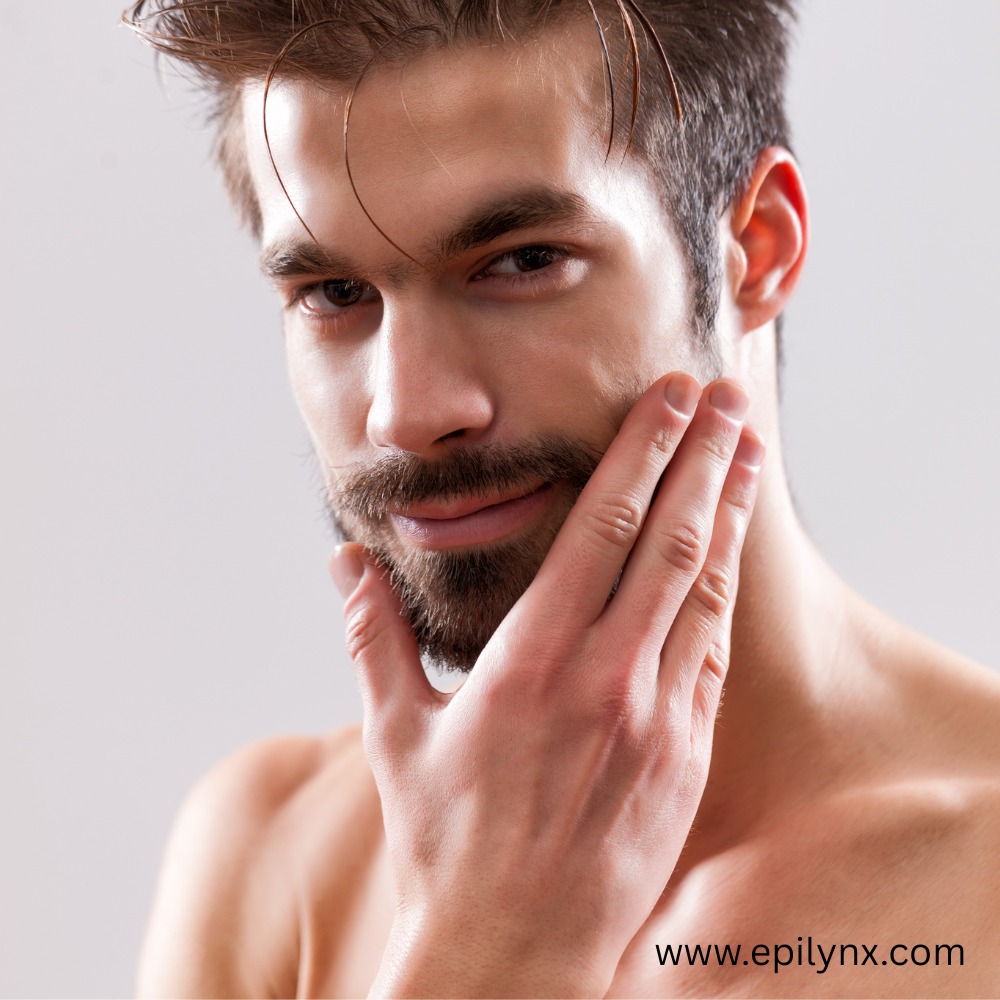
Here's a statistic that rarely gets discussed: celiac disease affects men and women at roughly equal rates — yet celiac is consistently characterized as a "women's condition" and most celiac-focused skincare, content, and community support targets women. Men with celiac disease, eczema, food allergies, and psoriasis exist in significant numbers, are just as affected by allergens in grooming products as women, and are almost completely ignored by an industry that seems to have decided that sensitive skin is a female category. That ends here.
This is the complete allergen-free skincare guide for men — no-nonsense, backed by science, and built for people who want results without spending an hour on a 12-step routine.
Why men's skincare for allergies is a different conversation
Men's skin has some genuine biological differences from women's skin that affect skincare needs:
- Thicker dermis: Men's skin averages about 20% thicker than women's, with higher collagen density. This means men's skin is somewhat more structurally robust — but this doesn't protect against allergic contact reactions, which are immune-mediated rather than structural.
- Higher sebum production: Androgens (testosterone) drive higher sebaceous gland activity in men, resulting in oilier skin and larger pores. This means lighter, non-comedogenic formulas are often more appropriate than rich, occlusive creams.
- Daily shaving trauma: Shaving creates microabrasions, removes the surface lipid layer, and essentially produces a daily bout of controlled barrier disruption. For men with eczema or reactive skin, this can be a significant daily trigger — and the aftershave, shaving foam, and balm they use in this compromised state matters enormously.
- Less consistent skincare habits: Research consistently shows men use fewer skincare products than women and apply them less consistently. For men with skin conditions, a simpler routine that's actually followed daily outperforms a complex routine that gets skipped.
The men's grooming allergen problem
Men's grooming products are among the most allergen-loaded in the personal care space. Aftershaves and colognes contain extremely high concentrations of fragrance — often the same fragrance compounds that are restricted in EU cosmetics due to their sensitization potential. "Masculine" scents in shaving products typically use synthetic musks, oakmoss, and citrus compounds that are documented contact allergens. Men who react to their shaving routine and blame their razor or technique are often actually reacting to their shaving cream or aftershave fragrance.
Beyond fragrance: men's "moisturizers" frequently contain almond oil, marketed as "lightweight and non-greasy for men's skin." Men's hair products contain wheat proteins. Men's facial wash often contains SLS and SLES at higher concentrations than equivalent women's products. The entire men's grooming market essentially ignores allergen safety.
The shaving problem: allergens on a broken barrier
Shaving creates a temporarily compromised barrier — microabrasions and temporary disruption of the surface lipid layer. Applying an allergen-containing product (fragrance aftershave, alcohol-based toner) to this compromised barrier is especially effective at triggering contact sensitization because the allergen has direct access to the immune cells in the dermis.
This is why many men develop contact allergies to grooming products they've used for years: the daily barrier disruption from shaving gradually lowers the sensitization threshold until an immune response develops. Once sensitized, even trace exposure triggers a reaction.
The solution: immediately post-shave, apply only fragrance-free, allergen-free products. The Lightweight Calming Face Moisturizer applied immediately after shaving provides the barrier support and anti-inflammatory calming that freshly-shaved skin needs — without any fragrance, nut oil, or allergen to compound the irritation.
The complete allergen-free men's skincare routine
Four steps. That's it. Simple enough to actually do every day, effective enough to make a real difference.
Morning routine
Step 1 — Cleanse
Men's skin produces more sebum, so morning cleansing is more important than for many women's skin types. The goal: remove overnight sebum and product residue without stripping the barrier and triggering compensatory oil production.
Use: Gentle Hydrating Facial Cleanser — sulfate-free, fragrance-free, allergen-free. Effective at removing oil without the drying, tight feeling that comes from SLS-based men's face washes. For men with more significant acne or oiliness, the Foaming Oil-Free Face Wash provides additional oil control without stripping.
Shaving tip: If you shave in the morning, cleanse first, then shave with minimal, fragrance-free shaving cream. Pat dry gently after shaving — don't rub. Then proceed with the rest of your routine immediately while skin is still slightly damp.
Step 2 — Serum (optional but high-impact)
For men who want results beyond basic maintenance — particularly for anti-aging, post-shave calming, or managing post-acne marks — a serum adds significant benefit in a single extra step.
For anti-aging / general skin improvement: EpiSilk Crystal Face Serum — three peptide technologies, Hyaluronic Acid, Niacinamide. Apply 3–4 drops pressed gently into skin after cleansing.
For post-shave calming / reactive skin: Vitamin C Glow Serum — Chamomile and Centella Asiatica are specifically anti-inflammatory for irritated post-shave skin; Vitamin C protects against the oxidative stress of UV exposure throughout the day.
Step 3 — Moisturize
Men's skin needs moisturizer — including oily skin. Skipping it causes dehydration that makes skin look duller and age faster. The key for men: lighter formulas that don't feel greasy or heavy.
For oily / normal skin: Lightweight Calming Face Moisturizer — fast-absorbing, Borage Seed Oil, Aloe Vera, Ashwagandha. No heaviness. Perfect post-shave.
For dry / eczema-prone skin: Miracle Face Cream — Hemp Seed Oil and Ceramides for men whose skin runs dry or reactive. Richer than the lightweight option but still non-greasy.
For mature / anti-aging: Sunrise Nourishing Firming Cream — Ceramides, Niacinamide, firming botanical extracts. Men's skin loses collagen faster than women's after 30; a firming moisturizer makes a visible difference.
Step 4 — SPF (the step most men skip and absolutely shouldn't)
Men are diagnosed with melanoma at twice the rate of women, and at more advanced stages. Part of the reason: men are significantly less likely to use SPF consistently. This is not a "women's product" situation — it's a documented health disparity with real mortality consequences.
Use: Tinted CC Moisturizer SPF 55 — mineral SPF that also provides Niacinamide and Ceramides. The light tint is available in shades appropriate for men's skin tones and provides a natural, even appearance rather than a "makeup" look. Or the Mineral Sunscreen SPF 50 for those who prefer no tint at all.
Evening routine (3 steps)
Step 1 — Cleanse
Same cleanser as the morning. Evening cleansing removes SPF, environmental pollution, and accumulated sebum from the day. More important than morning cleansing for men who spend time outdoors.
Step 2 — Treatment (anti-aging or targeted)
Evening is when skin repair is most active — the right treatment here compounds significantly over time.
For anti-aging: Retinol Night Moisturizer — Retinol + Vitamin C + Niacinamide. Start 2–3 nights per week. Men tend to see excellent retinol results because of their thicker dermis — less irritation, strong collagen-production response.
For active skin conditions: EpiSilk Crystal Serum — peptides and barrier support for overnight repair.
Step 3 — Night moisturizer
Same logic as morning, slightly more generous application. The overnight period is when barrier repair happens most actively — don't shortchange this step.
Men's skincare for specific conditions
Celiac disease
Everything applies as discussed throughout EpiLynx content. The critical unique consideration for men: beard products. Many beard oils, balms, and conditioners contain wheat germ oil (marketed as nourishing for beard hair), almond oil, and macadamia oil. For a man with celiac disease who regularly touches his beard and then eats, these are meaningful gluten and allergen exposure points.
For allergen-free men's beard and grooming products specifically, Bucking Beards by Dr. Liia — EpiLynx's sister brand — is specifically formulated allergen-free for men's beard care and grooming. Same pharmacist-founded philosophy, same allergen-free formulation, designed for the specific needs of men's skin and beard care.
Eczema
Men with eczema often have it on the face, neck, and hands — all areas affected by shaving and grooming product exposure. The shaving routine is a particularly significant trigger: daily barrier disruption combined with allergen-containing shaving products creates a perfect eczema maintenance loop. Switch to fragrance-free, allergen-free shaving products, apply the Miracle Face Cream or Super Nourishing Calming Cream immediately post-shave, and break the cycle.
Rosacea
Men with rosacea often have the papulopustular subtype — the type with acne-like bumps rather than (or in addition to) redness and flushing. This is frequently misdiagnosed as adult acne. The shaving trauma of daily razor use is a significant Koebner-like trigger for rosacea flares. An electric razor (less barrier disruption than a blade) plus immediate application of a fragrance-free, mineral SPF moisturizer post-shave can make a major difference.
Psoriasis
Scalp psoriasis is particularly common in men. While this blog focuses on facial skincare, the principles extend: fragrance-free, allergen-free, barrier-supportive products for any psoriasis-affected skin. The shaving trauma issue applies especially to men with facial psoriasis — Koebner phenomenon means psoriasis lesions can form at shaving sites if the skin is already sensitized.
Frequently asked questions
Do men really need skincare, or is it just marketing?
Men need the basics — cleanser, moisturizer, SPF. These are not marketing inventions; they're documented to reduce skin aging, prevent skin cancer, and manage skin conditions. The rest — complex routines with dozens of products — is indeed often marketing excess. Four steps, done consistently, produce real results.
Isn't it embarrassing for men to use "skincare products"?
This attitude is changing rapidly, and it should be. Men get skin cancer. Men get eczema. Men get rosacea and psoriasis and acne. Men with celiac disease have the same dermatitis herpetiformis risk as women. Taking care of your skin is a health decision, not a gendered one. The four-step routine above is entirely unremarkable — cleanser, serum, moisturizer, SPF — and produces visible results within weeks.
My skin does fine without moisturizer — do I really need it?
What feels fine in your 20s may not reflect what's happening at the cellular level. Men's skin collagen declines significantly after 35, and the cumulative effects of unprotected sun exposure and daily barrier disruption from shaving often don't become visible until the 40s. The habits you establish now determine how your skin looks in 10–15 years. A moisturizer and SPF are the two investments with the best documented long-term return.
The bottom line
Men with allergies, eczema, celiac disease, and skin sensitivities deserve the same quality of allergen-free skincare that women have been accessing through EpiLynx. Four steps. Fragrance-free. Gluten-free. Nut-free. Works with your skin rather than against it.
For facial skincare: shop EpiLynx Men's collection. For beard care and grooming: Bucking Beards by Dr. Liia. Use code EPILYNXGLOW35 for 35% off your EpiLynx order.
— Dr. Liia, PharmD, Founder of EpiLynx by Dr. Liia and Bucking Beards