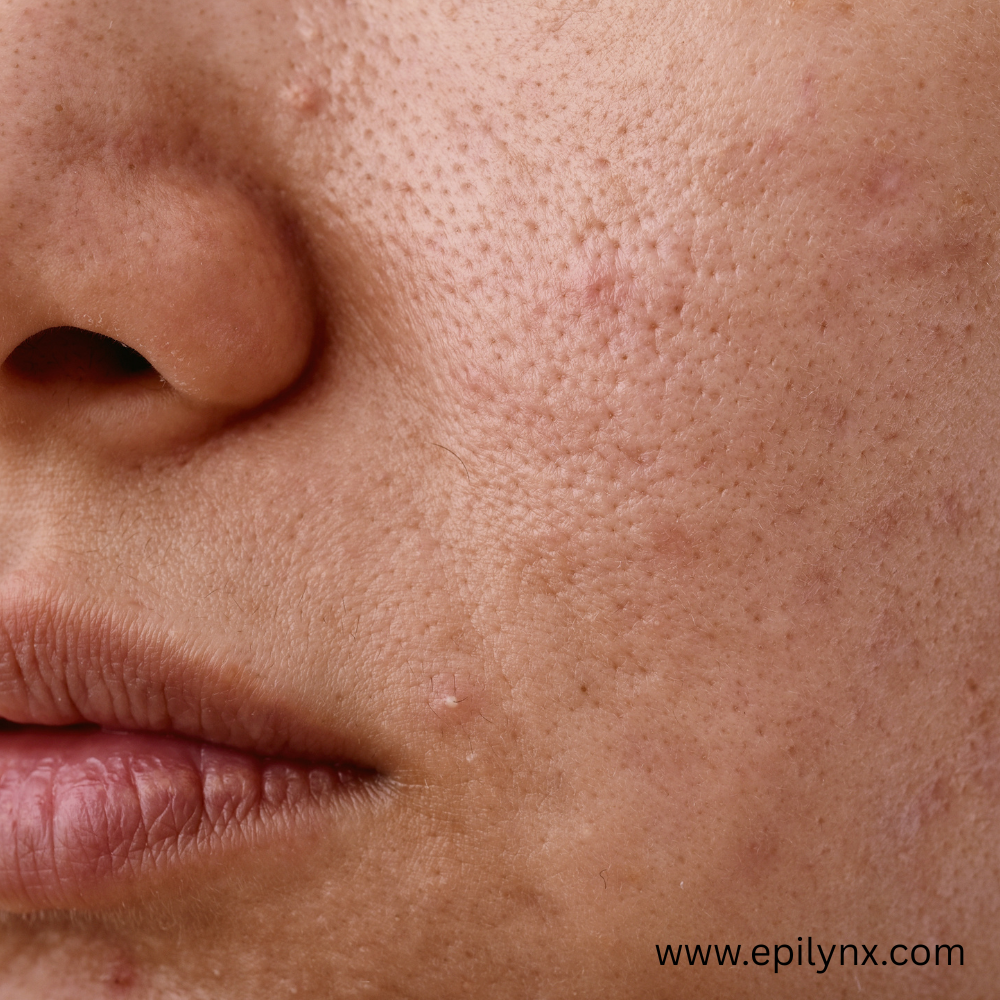

Over 50 million Americans live with autoimmune disease. The immune system — the body's defense mechanism — turns against its own tissues, causing inflammation across multiple organ systems simultaneously. The skin, as the body's largest organ and a major interface between the immune system and the external world, is almost always involved. Sometimes as a direct target (psoriasis, lupus, dermatomyositis). Sometimes as a collateral casualty of systemic inflammation (the rashes, reactivity, and dryness that come with Hashimoto's or celiac disease). Always as a barrier that's working harder than it should against a background of chronic immune activation.
I'm Dr. Liia. I have psoriatic arthritis and gluten sensitivity — two autoimmune conditions that directly shaped the formulation philosophy of EpiLynx. Here is the comprehensive skincare guide for people navigating the autoimmune-skin intersection.
How autoimmune conditions affect the skin: the common thread
Regardless of which autoimmune condition you have, there are several common ways they affect skin health and skincare needs:
Chronic systemic inflammation
Autoimmune diseases involve ongoing immune activation — elevated cytokines, activated T cells, and inflammatory mediators circulating throughout the body. This chronic inflammation affects the skin through multiple pathways: it accelerates the breakdown of collagen and elastin (aging), increases skin sensitivity and reactivity, worsens barrier dysfunction, and can directly trigger skin manifestations even in conditions not primarily affecting the skin.
Medication effects
Many autoimmune medications have significant skin side effects. Corticosteroids cause skin thinning, increased fragility, and reduced barrier function with long-term use. Methotrexate increases photosensitivity. Hydroxychloroquine (used in lupus) can cause hyperpigmentation in some individuals. These medication effects require specific skincare adjustments.
UV sensitivity
Multiple autoimmune conditions are associated with elevated UV sensitivity — particularly lupus (where UV exposure is a major trigger for disease flares), dermatomyositis, and some presentations of Sjögren's syndrome. For these conditions, mineral SPF is not just anti-aging practice — it's disease management.
Barrier dysfunction
The skin barrier is structurally compromised in many autoimmune conditions — either directly (psoriasis, eczema) or through the effects of chronic inflammation on ceramide synthesis and barrier lipid composition. This barrier dysfunction increases both moisture loss and allergen penetration — creating a cycle where topical allergens trigger immune responses that worsen barrier dysfunction that allows more allergens in.
Drug-nutrient interactions affecting skin
Many autoimmune medications deplete specific nutrients that are important for skin health. Methotrexate depletes folate. Long-term corticosteroids impair Vitamin D synthesis. These depletions can affect skin quality, healing, and barrier function — sometimes creating skin concerns that look like skincare issues but are actually medication-related nutrient deficiencies.
Condition-specific skincare guidance
Celiac disease and dermatitis herpetiformis
Celiac disease manifests in the skin most directly as dermatitis herpetiformis (DH) — an intensely itchy, blistering rash appearing on elbows, knees, buttocks, and scalp, triggered by gluten ingestion. Because lip products are ingested, all lip products must be explicitly gluten-free for celiac patients with DH.
Beyond DH, celiac disease is associated with elevated rates of eczema, psoriasis, rosacea, and general skin sensitivity — all mediated through the shared inflammatory pathways between celiac and skin conditions. The principle is consistent: eliminating topical gluten exposure removes a continuous inflammatory trigger from an already over-activated immune system.
Priority skincare considerations:
- All lip products must be gluten-free — the Color-Changing Lip Gloss, Matte Lip Stain, and Lip Set are all explicitly gluten-free
- All skincare applied near eyes and mouth must be gluten-free
- For DH skin: barrier repair with ceramide-rich, gluten-free moisturizers — the Miracle Face Cream and Super Nourishing Calming Cream
Psoriatic arthritis
Psoriatic arthritis involves both the joint inflammation of arthritis and the skin manifestations of psoriasis — accelerated skin cell turnover causing plaques, scaling, and inflammation. The joint pain aspect of PsA often affects the hands and fingers, which means whatever skincare products you're using pass through your hands frequently — making hand and body products as relevant as facial skincare.
The shared inflammatory pathways between psoriasis and celiac disease mean that many people with PsA also have celiac disease or non-celiac gluten sensitivity — making gluten-free formulation relevant even for those who don't have a formal celiac diagnosis. My personal experience: eliminating gluten from both diet and topicals produced meaningful improvements in skin inflammation alongside the dietary changes.
Priority skincare considerations:
- Barrier repair is the foundation — ceramides, Borage Seed Oil, and Hemp Seed Oil to address the specific lipid deficits in psoriatic skin
- Green Tea Extract (Apple Stem Cells) in the Lifting & Firming Cream is specifically anti-inflammatory for psoriatic skin
- Mineral SPF daily — the Tinted CC Moisturizer SPF 55 with its zinc oxide content is anti-inflammatory as well as protective
- Never apply chemical exfoliants or fragrance to active psoriatic plaques
Lupus (SLE and cutaneous lupus)
Systemic lupus erythematosus (SLE) and its cutaneous forms frequently manifest in the skin: the characteristic "butterfly rash" (malar rash) across the cheeks and nose, discoid lesions, and photosensitivity. UV exposure is a major lupus trigger — it can provoke both skin flares and systemic disease activity.
Lupus skin is highly UV-sensitive and often fragile from the disease itself and from medications (particularly corticosteroids and hydroxychloroquine). Mineral SPF applied daily and reapplied diligently is among the most important disease management steps beyond medication.
Priority skincare considerations:
- Mineral SPF is non-negotiable — chemical sunscreen filters can trigger reactions on lupus-affected skin; use Tinted CC Moisturizer SPF 55 daily and reapply every 2 hours outdoors
- Fragrance-free across all products — lupus skin is frequently highly reactive, and fragrance is a reliable trigger
- For corticosteroid-thinned skin: barrier support with ceramide and fatty acid-rich formulas — Super Nourishing Calming Cream
- For the butterfly rash area: calming, barrier-supportive products; avoid any actives on actively inflamed areas
- Always discuss skincare choices with your rheumatologist — lupus management is complex and individualized
Hashimoto's thyroiditis
Hashimoto's is the most common autoimmune disease in the US, affecting primarily the thyroid — but its effects on skin are significant and frequently underaddressed. Hypothyroidism (the result of Hashimoto's attacking the thyroid) causes dry, rough, pale skin; slowed wound healing; hair thinning; and nail brittleness. Even when thyroid levels are medically controlled, many Hashimoto's patients experience persistent skin dryness and sensitivity.
Hashimoto's is also closely associated with celiac disease and other autoimmune conditions — making an allergen-free, gluten-free skincare approach particularly relevant.
Priority skincare considerations:
- Intensive hydration is the most important concern — Hashimoto's-related hypothyroidism causes significant skin dryness that requires richer-than-average moisturization
- Super Nourishing Calming Cream or Miracle Face Cream morning and evening
- Hyaluronic Acid serum to address TEWL — EpiSilk Crystal Serum
- Fragrance-free is particularly important for Hashimoto's patients with concurrent eczema or skin reactivity
Sjögren's syndrome
Sjögren's affects exocrine glands, causing dry eyes and dry mouth — but also dry skin, as the sebaceous and sweat glands can be involved. The resulting skin dryness is often more severe than typical dry skin because it's glandular in origin rather than just barrier dysfunction.
Priority skincare considerations:
- Maximum hydration — intensive humectants (Hyaluronic Acid, Glycerin) combined with occlusive barrier repair
- Super Nourishing Calming Cream is the appropriate choice for Sjögren's-related facial dryness
- Eye area is particularly affected — Anti-Aging Peptide Eye Cream provides intensive hydration without allergens in this sensitive area
- Fragrance-free critical — Sjögren's patients often have heightened mucous membrane sensitivity that fragrance compounds worsen
The universal autoimmune skincare framework
Across all autoimmune conditions, the same foundational principles apply to skincare — what differs is the emphasis and the specific products chosen:
| Principle | Why It Matters for Autoimmune Skin | EpiLynx Solution |
|---|---|---|
| Allergen-free formulation | Autoimmune skin has a lower threshold for immune activation; allergens in products maintain chronic inflammation | Every EpiLynx product formulated without 14 most common allergens, gluten, and nut derivatives |
| Fragrance-free | Fragrance is the most reliable contact allergen for reactive skin; immune-sensitized skin reacts more strongly | Complete fragrance-free formulation across all products |
| Barrier repair and maintenance | Barrier dysfunction is near-universal in autoimmune skin conditions; repair is foundational to management | Ceramide, Borage Seed Oil, Sea Buckthorn, Hemp Seed Oil in moisturizer range |
| Mineral SPF daily | UV exposure worsens multiple autoimmune conditions (lupus, psoriasis, rosacea, DH); mineral SPF avoids chemical filter triggers | Tinted CC Moisturizer SPF 55 |
| Anti-inflammatory actives | Supporting anti-inflammation through topicals complements systemic management | Niacinamide, Aloe Vera, Centella Asiatica, Green Tea Extract throughout the range |
| Gluten-free formulation | Multiple autoimmune conditions share inflammatory pathways with celiac disease; topical gluten is a relevant variable | Explicitly gluten-free across all products |
The recommended autoimmune core routine
- Cleanse: Gentle Hydrating Facial Cleanser — sulfate-free, fragrance-free, allergen-free. Twice daily.
- Serum: EpiSilk Crystal Face Serum (morning) for barrier support and peptides; Vitamin C Glow Serum if brightening/antioxidant protection is also needed
- Eye cream: Anti-Aging Peptide Eye Cream — zero allergens, targeted for delicate periorbital autoimmune skin
- Moisturize: Choose based on severity of dryness and skin state — from Lightweight Calming Moisturizer to Super Nourishing Calming Cream
- SPF: Tinted CC Moisturizer SPF 55 — morning, every day, reapply outdoors
Frequently asked questions
My autoimmune medication is causing skin side effects. Can skincare help?
Skincare can support skin that's been stressed by medication — particularly by maintaining the barrier (against corticosteroid-related thinning) and providing hydration (for methotrexate-related dryness). However, if you're experiencing significant medication-related skin changes, always discuss with your prescribing physician before making changes. Some medication side effects require dose adjustment, not just skincare support.
I have multiple autoimmune conditions. How do I know which skincare concerns to prioritize?
Start with the universal principles: allergen-free, fragrance-free, mineral SPF, barrier repair. These benefit all autoimmune skin conditions. Then layer condition-specific priorities based on your most active concerns. The EpiLynx Skin Quiz can help identify the right starting products based on your primary skin concerns regardless of underlying condition.
Can skincare alone manage autoimmune skin manifestations?
Skincare manages the topical expression of autoimmune skin conditions — it reduces allergen burden, supports the barrier, and provides anti-inflammatory support through appropriate ingredients. It cannot replace medical management of the underlying autoimmune condition. The most effective approach is integrative: medical treatment of the underlying condition + dietary modifications where relevant + comprehensive allergen-free skincare. All three together produce better outcomes than any one alone.
The bottom line
Autoimmune skin is not ordinary sensitive skin. It's skin that's fighting on two fronts simultaneously — the external environment and an internal immune system that's misdirected. It deserves a skincare approach that understands this: no allergens adding to the immune load, no fragrance triggering contact responses, no gluten feeding the inflammatory cycle, and actively supportive ingredients doing the barrier repair and anti-inflammatory work the skin can't fully do for itself right now.
EpiLynx was founded by someone who lives this. Shop the full collection and use code EPILYNXGLOW35 for 35% off. Take the Skin Quiz for personalized recommendations.
— Dr. Liia, PharmD, Founder of EpiLynx by Dr. Liia