Article: Sensitive skin: Remedies and Prevention
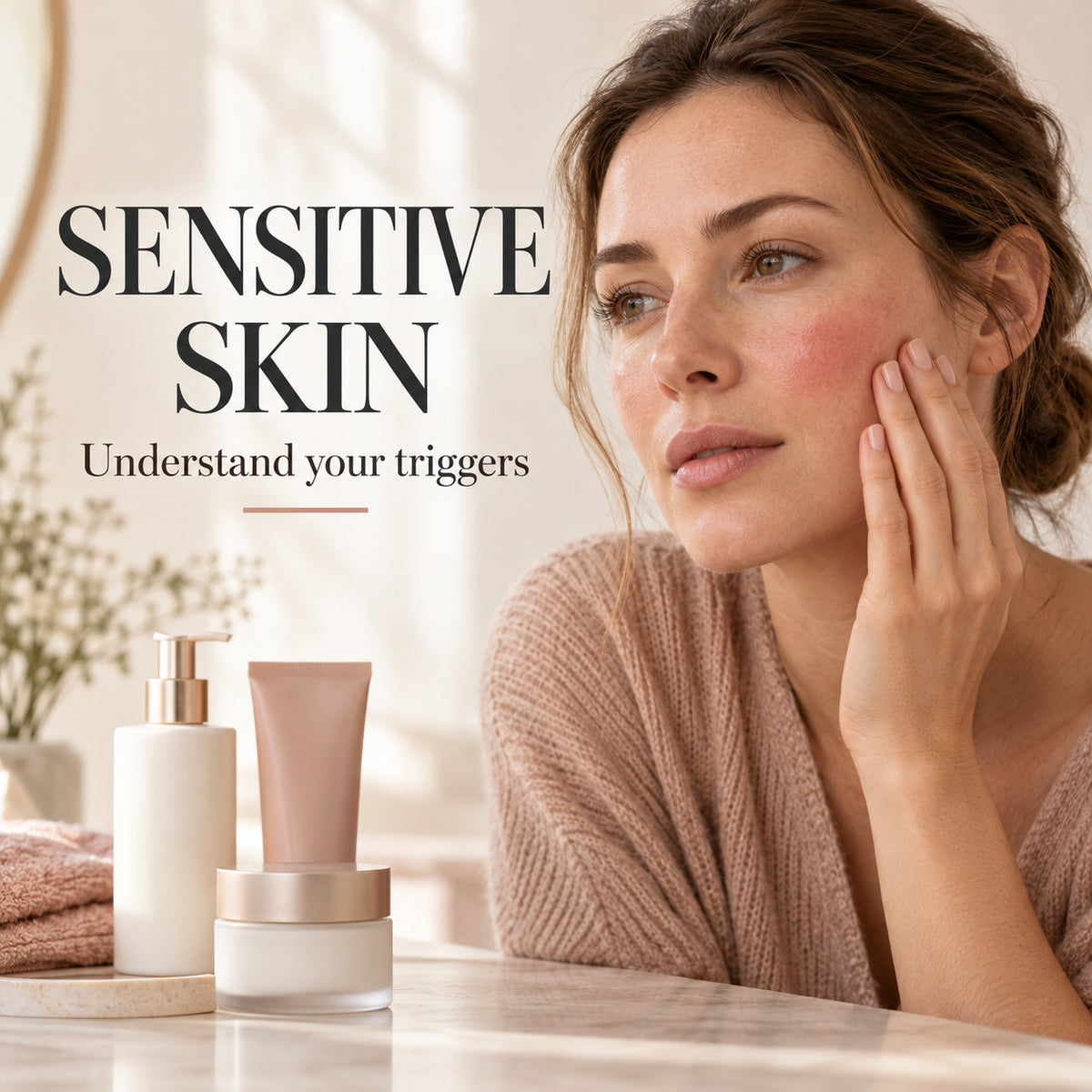
Sensitive skin: Remedies and Prevention
Sensitive skin is a common issue but not a medical diagnosis by itself. People with sensitive skin may be more likely to experience skin inflammation, irritation, and redness.
People with sensitive skin often have reactions to chemicals, dyes, and fragrances in products that touch their skin.
Treatment
To treat sensitive skin, find and remove triggers, and use home remedies or prescribed medications for symptom relief.
Medical treatments
Depending on the cause of sensitive skin and the symptoms, doctors may prescribe a few different medications. They may include:
- Steroid creams: Both over-the-counter (OTC) and prescription-strength steroid creams may help relieve inflammation and itchiness. People should never use them on the face.
- Analgesic creams: Numbing creams may help reduce itchiness, which could make the person less likely to scratch or irritate the area.
- Antihistamines: Taking an oral antihistamine, such as Benadryl, may help with some allergic reactions.
- Use sunscreen with SPF 30 or higher to protect sensitive skin from harmful UV rays.
Natural cures and avoidance
Some home remedies may also help treat or prevent sensitive skin symptoms. They include:
Hypoallergenic moisturizers and lotions may reduce dryness without irritating sensitive skin. Some ingredients may work better than others, depending on the type of sensitivity.
Always test a product on a small area of skin before using it on the rest of the affected skin.
Other tips
There are also certain home remedies that can be effective in treating or preventing symptoms of sensitive skin. Use hypoallergenic moisturizers and lotions to reduce dryness without irritating sensitive skin.
The effectiveness of these products may vary depending on the type of sensitivity one has. Before using the product on the affected area, always do a patch test on a small part of your skin. People with sensitive skin can reduce symptoms by avoiding harsh fragrances, detergents, and chemicals. They should choose fragrance-free and hypoallergenic products like soaps, deodorants, and detergents.
People with sensitive skin may also be able to minimize symptoms by:
- avoiding harsh fragrances, detergents, or other chemicals
- using fragrance-free, hypoallergenic products, such as soaps, deodorant, and detergent
- testing new products on a small area of skin before applying them to more extensive areas
Causes
Natural disposition
If a person has sensitive skin with no underlying health condition, their skin may become irritated more easily.
Additionally, a person with sensitive skin may be more prone to reactions to skincare products, makeup, or certain types of clothing.
Contact dermatitis
Contact dermatitis refers to an over reacted skin reaction from contact with something on the skin. There are different types of contact dermatitis.
Dry skin
A person with dry skin may also have sensitive skin. As the skin loses moisture and fat, it becomes more sensitive and prone to drying out.
Dry skin is more common on areas exposed to the elements, like hands, face, and arms.
Taking steps to keep moisture in the skin may keep it from drying out. Using moisturizing lotions and facial creams daily may help prevent symptoms.
Eczema
Eczema is a skin condition that causes dry, itchy patches of skin, but symptoms can differ between individuals.
Usually, eczema occurs in children, but it can also happen in adults. The most common areas for eczema flare-ups include the face, elbows, neck, wrists, ankles, and legs.
Rosacea
People with rosacea may have red skin and visible blood vessels, typically in the face. In some people, the skin may develop a rash of small, pus-filled bumps.
Rosacea can occur in different types and cause a variety of symptoms. This can include redness, flushing, irritated and swollen eyes, and rashes that may look like acne.
Summary
Avoiding harsh chemicals, perfumes, and irritating ingredients in skin care products can ease symptoms and prevent them. Modest home treatments may help soothe rashes or minimize the reactions that people have to these products.