
Article: Concealer for Dark Circles on Mature Skin: Technique and Ingredient Tips
Concealer for Dark Circles on Mature Skin: Technique and Ingredient Tips
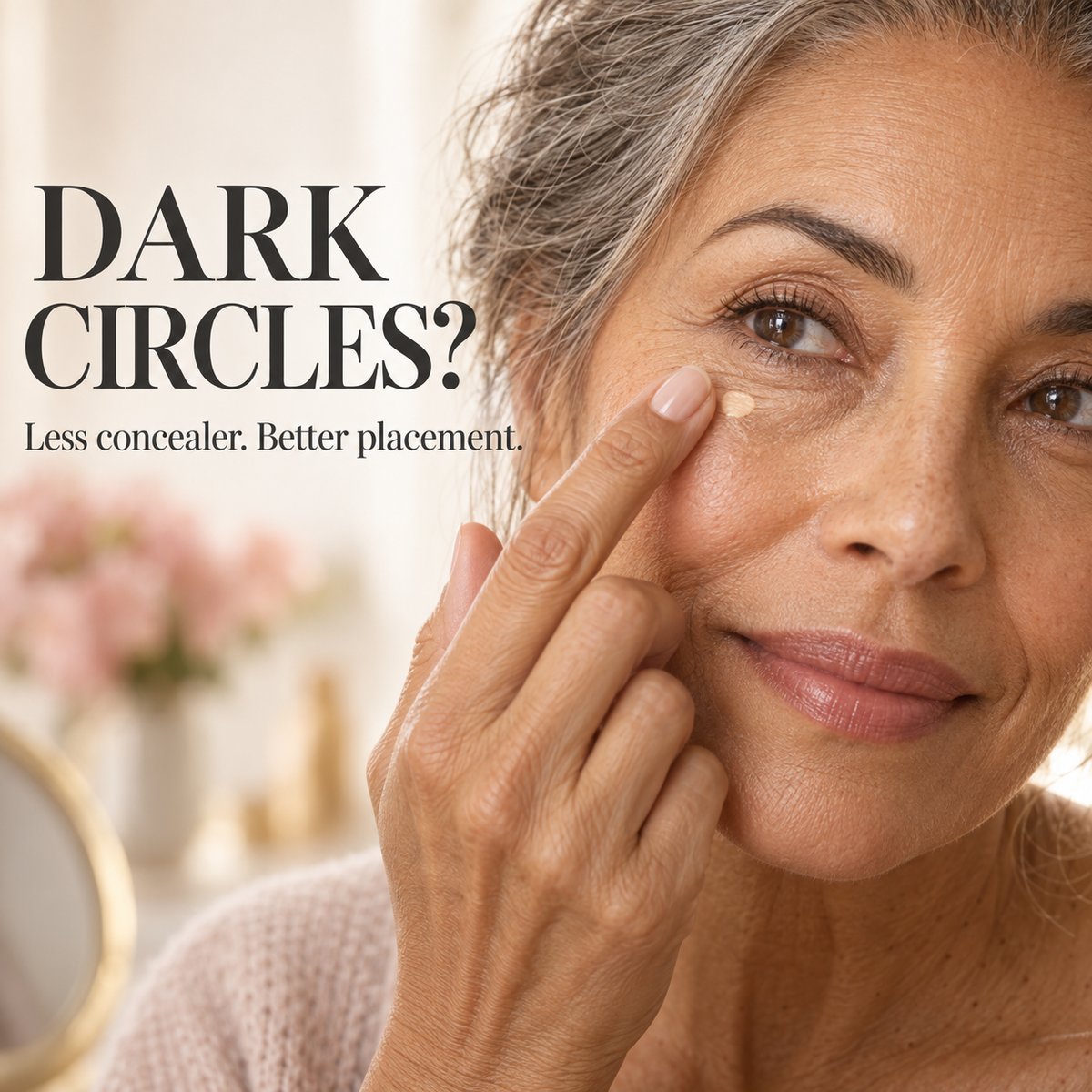
Quick answer: This guide addresses Concealer for mature skin dark circles with a formula-first, education-first approach. The most useful concealer technique for mature skin is usually targeted: a small amount where darkness is visible, then gentle tapping rather than dragging. Build only where you need more coverage.
Start with the exact product—not the marketing claim
Before choosing any complexion product, check the current shade’s ingredient list. Formulas can vary by shade, and a product name cannot replace a personal avoid-list review.
What to do before first use
- Read the current ingredient declaration for the exact product and shade.
- Compare it with your clinician-approved avoid list.
- Keep a dated photo of the label and any manufacturer answer.
- Introduce one new item at a time when appropriate.
Common mistake to avoid
If eye-area makeup causes stinging, swelling, or persistent watering, stop and seek individual guidance rather than compensating with more coverage.
Products to review by current formula
When to seek medical advice
Seek urgent care for breathing trouble, faintness, throat or mouth swelling, or other severe symptoms. For persistent rash, swelling, or unexplained reactions, seek advice from a qualified clinician.
Sources
See FDA cosmetic-allergen guidance and AAD patch-test guidance. Educational information only; not medical advice.