Can Gluten in Skincare Affect Celiac Disease? A Pharmacist's Guide
If you have celiac disease, you already know the drill: read every food label, ask about cross-contamination at restaurants, and carry snacks wherever you go. But when you last reached for your moisturizer, did you check for wheat? For many people living with celiac disease, the idea that a face cream could trigger a reaction sounds far-fetched. Gastroenterologists rarely bring it up. Dermatologists often wave it away. And yet, the question keeps surfacing in celiac communities, support groups, and doctor's offices: can gluten in skincare actually harm me?
The answer is nuanced — and as a pharmacist who has formulated products specifically for people with gluten sensitivity and celiac disease, Dr. Liia of EpiLynx has spent years studying it. This guide gives you the clearest, most evidence-based answer available, along with practical steps to protect your skin and your health.
First: How Celiac Disease Actually Works
Celiac disease is an autoimmune condition, not a food intolerance. When someone with celiac disease ingests gluten — the protein found in wheat, barley, rye, and sometimes oats — the immune system mounts an inflammatory attack against the small intestine's lining. Over time, this destroys the villi (tiny finger-like projections responsible for nutrient absorption), leading to malabsorption, nutritional deficiencies, and a cascade of systemic symptoms.
The keyword here is ingests. The primary concern with celiac disease is internal exposure to gluten — not topical contact. However, the picture is more complicated than a simple yes/no.
So Can Topical Gluten Cause a Celiac Reaction?
Here is what the current science tells us:
Intact gluten molecules are large — too large to penetrate healthy, intact skin. The molecular weight of gliadin (the harmful component of gluten) is typically 30,000–100,000 daltons. Compounds absorbed through the skin are generally under 500 daltons. So in theory, gluten sitting on the surface of normal skin cannot enter the bloodstream and trigger the autoimmune response that damages the small intestine.
However, there are important exceptions:
- Compromised skin barrier: Eczema, psoriasis, open wounds, rashes, and even overly dry skin create microscopic breaks in the skin barrier. Through these, larger molecules may gain entry.
- Lip and oral area products: Lip balms, lipsticks, and glosses applied near the mouth carry a real risk of accidental ingestion, particularly over repeated use throughout the day.
- Hand products: Lotions, creams, and sanitisers applied to hands that then handle food or touch the mouth represent a genuine transfer pathway.
- Dermatitis herpetiformis: This skin manifestation of celiac disease — characterised by intensely itchy blistering rashes — is directly triggered by gluten ingestion. Many people with DH report that topical exposure to gluten-containing products worsens their skin, though scientists believe this is primarily through inadvertent ingestion rather than transdermal absorption.
Dr. Liia's Pharmacist View: "While the science does not conclusively prove that topical gluten causes intestinal damage in celiac patients, the risk of accidental ingestion — especially from lip, hand, and hair products — is real and worth eliminating. For my patients with celiac disease, I always recommend going fully gluten-free in skincare, not just food. The peace of mind alone is worth it."
The Gut-Skin Axis: How Celiac Manifests on Your Skin
Even without direct topical exposure, celiac disease has well-documented skin manifestations that anyone managing the condition should know.
Dermatitis Herpetiformis (DH)
DH is essentially celiac disease of the skin. It affects 15–25% of people with celiac disease and presents as clusters of intensely itchy, blistering bumps most commonly on elbows, knees, buttocks, scalp, and back. DH is triggered by gluten ingestion and is treated with a strict gluten-free diet (and sometimes dapsone medication). Many people with DH are diagnosed with the skin condition before they know they have celiac disease.
General Skin Inflammation
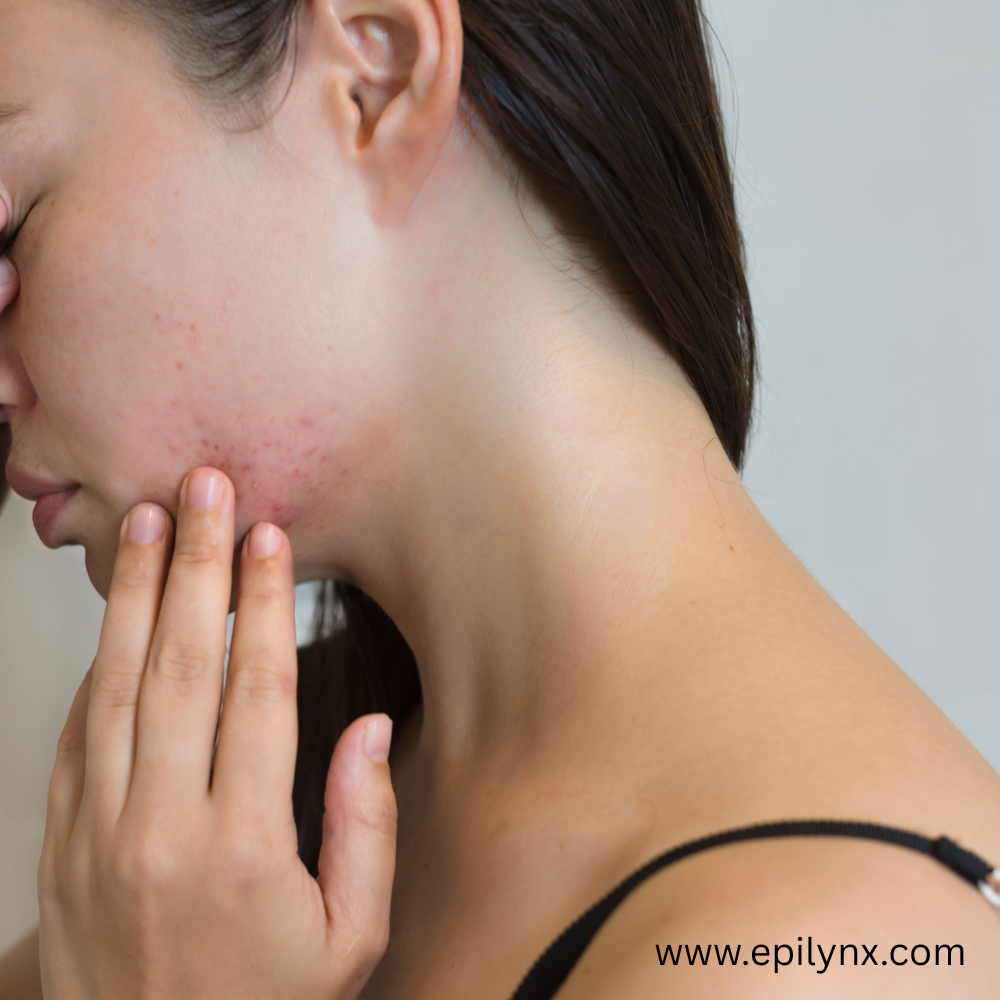
People with undiagnosed or poorly managed celiac disease frequently experience non-specific skin symptoms: chronic eczema-like rashes, psoriasis flares, keratosis pilaris (rough bumps on the arms), and alopecia (hair loss). When the gut is inflamed and absorbing nutrients poorly, the skin — the body's largest organ — reflects that internal stress.
Nutrient Deficiency and Skin Health
Celiac disease impairs absorption of zinc, iron, B vitamins, and vitamin D — all of which are critical to skin barrier function, collagen production, and wound healing. Even after going gluten-free, it can take months or years for nutrient levels to fully recover, during which the skin may remain more reactive and sensitive than average.
Which Skincare Ingredients Contain Hidden Gluten?
This is where it gets tricky. Gluten does not appear on ingredient labels by name. It hides under botanical and chemical names that few consumers recognise. Here are the main culprits:
Wheat-Derived Ingredients
- Triticum vulgare (wheat) germ oil — a common moisturising oil in face creams
- Hydrolyzed wheat protein — used in hair products for shine and strength
- Wheat amino acids — a smaller version of hydrolyzed wheat protein
- Wheat bran extract — used as an antioxidant
- Wheat germ glycerides — an emollient and skin conditioner
Barley-Derived Ingredients
- Hordeum vulgare (barley) extract — an antioxidant used in anti-aging products
- Barley flour — occasionally used in exfoliants and masks
Rye-Derived Ingredients
- Secale cereale (rye) seed flour — found in some exfoliating products
Oat-Derived Ingredients (Cross-Contamination Risk)
- Avena sativa (oat) kernel flour — oats are naturally gluten-free but are frequently cross-contaminated with wheat in processing; people with celiac disease should be cautious
- Colloidal oatmeal — a soothing agent in many sensitive-skin formulations
Tip: If you see "hydrolyzed" before any of the above plant names, it means the protein has been broken down into smaller fragments. Hydrolyzed wheat protein has a lower molecular weight than intact gluten and may penetrate skin more readily.
What Does "Gluten-Free" Actually Mean on a Skincare Label?
Unlike food, there is no regulated standard for "gluten-free" claims on cosmetics in the United States. The FDA's gluten-free food standard (less than 20 parts per million) does not automatically apply to skincare products. This means a brand can label a product "gluten-free" without meeting any specific threshold or undergoing independent testing.
This is why it matters enormously who is making that claim and whether they have the scientific and formulation expertise to back it up. At EpiLynx, our gluten-free claim is made by a pharmacist with a PhD in cancer research who personally formulates every product. We do not simply omit wheat germ oil — we systematically audit every ingredient for hidden gluten derivatives and cross-contamination risk.
When evaluating any "gluten-free" skincare claim, ask:
- Who formulated the product — do they have relevant scientific credentials?
- Is the full ingredient list published and searchable?
- Are ingredients sourced with gluten-free supply chain documentation?
- Is the manufacturing facility audited for cross-contamination?
Building Your Celiac-Safe Skincare Routine
Step 1: Audit Your Current Products Go through every product you use on your face, body, hands, hair, and lips. Search each ingredient list for the gluten-containing names listed above. Any product with these ingredients should be replaced.
Step 2: Prioritise High-Risk Products First Replace lip products, hand creams, and anything you use around your mouth or eyes first. These carry the highest risk of accidental ingestion.
Step 3: Choose Verified Gluten-Free Formulations Look for brands where the gluten-free claim comes from a formulator with documented expertise — not just a marketing label. Every EpiLynx product is formulated free from gluten, wheat derivatives, and all 14 of the most common contact allergens.
Step 4: Introduce Products One at a Time If you are switching your entire skincare routine, introduce one new product every 7–10 days to identify any individual ingredient sensitivities.
EpiLynx Recommended Products for Celiac Skin
- For daily hydration: Lightweight Face Moisturiser for Sensitive & Dry Skin — calming, fragrance-free, and barrier-supporting
- For brightening: Brightening Vitamin C Glow Serum — gluten-free antioxidant protection without irritating actives
- For cleansing: Gentle Hydrating Facial Cleanser with Aloe and Cucumber — cleans without stripping the compromised celiac skin barrier
- For lip safety: Color-Changing Flower Lip Gloss — vegan, gluten-free lip colour with no risk of wheat-based ingredients
Frequently Asked Questions
Can eating gluten cause skin problems even if I don't have DH? Yes. Systemic inflammation from gluten ingestion in celiac patients can manifest as various skin symptoms beyond DH, including eczema-like rashes, psoriasis flares, and general reactivity.
My dermatologist said skincare gluten is fine. Who should I believe? Many dermatologists focus on DH in isolation and may not be aware of the research on compromised barrier function and potential absorption of smaller hydrolyzed wheat fragments. For people with DH or highly reactive skin, going gluten-free in skincare is a prudent precaution even if it is not strictly proven necessary for everyone with celiac.
What about makeup? Is it worth going gluten-free there too? Yes, particularly for lip products, eye makeup, and anything applied with your hands. Foundation and powder are lower risk but still worth auditing.
Are oat-based products safe for celiac disease? This is debated. Unless the oat ingredient is specifically certified gluten-free, celiac patients should treat oat-derived skincare ingredients with caution — particularly colloidal oatmeal in products applied near the face or mouth.
How long does it take to see skin improvement after eliminating gluten from skincare? If topical gluten was contributing to skin inflammation, most people notice improvement within 4–8 weeks of removing all gluten-containing products.
Ready to go fully gluten-free in your skincare? Take the EpiLynx Skin Quiz at epilynx.com to get a personalised celiac-safe routine — formulated by a pharmacist, free from gluten and 13 other common allergens.