By Dr. Liia, PharmD & Cancer Researcher — Founder, EpiLynx by Dr. Liia | June 15, 2026 | 7 min read
Beta-Glucan: The 2026 Barrier Ingredient Everyone's Talking About — What It Means for Allergic & Sensitive Skin
Beta-glucan is 2026's breakout barrier ingredient — appearing in trend reports from Cosmetics Business, Vogue, and every major skincare publication this year. The science behind it is legitimately compelling for sensitive skin: it is both a humectant and an immune modulator, addressing moisture AND inflammation simultaneously. But for people with food allergies and celiac disease, there is a critical source distinction that most trend coverage is not mentioning.
What Beta-Glucan Does in Skin — The Three Mechanisms
Mechanism 1: Dectin-1 Immune Modulation
Beta-glucan binds the Dectin-1 pattern recognition receptor on keratinocytes, Langerhans cells, and macrophages. Unlike most immune activators that amplify inflammatory responses, Dectin-1 activation by beta-glucan produces an immunomodulatory effect — it shifts the immune response toward anti-inflammatory resolution rather than pro-inflammatory amplification. In the context of eczema and allergic skin, this Dectin-1-mediated shift reduces the Th2-biased inflammatory environment (IL-4, IL-13 overproduction) that drives barrier dysfunction, without suppressing immune function entirely. This is a meaningful distinction from corticosteroids, which broadly suppress immune activity — beta-glucan modulates the immune direction rather than suppressing it.
Mechanism 2: Film-Forming Humectant
Beta-glucan forms a thin, breathable film on the skin surface that reduces TEWL through physical coverage while simultaneously attracting moisture from the environment to the skin surface. This dual occlusive-humectant activity is mechanistically complementary to ceramides (which restore the lipid bilayer matrix) and hyaluronic acid (which draws water into corneocytes). Used together, the three provide complete barrier support: ceramides for lipid structure, HA for deep hydration, and beta-glucan for surface film protection and immune modulation.
Mechanism 3: Wound Healing and Barrier Recovery Acceleration
Beta-glucan activates macrophages through Dectin-1 signaling, enhancing their phagocytic activity and cytokine production in favor of wound healing (TGF-beta, PDGF) rather than chronic inflammation. In the context of eczema flare recovery and post-reaction barrier repair, this accelerated macrophage-driven healing can shorten the recovery time between inflammatory events — reducing the total burden of barrier compromise over time.
The Critical Source Distinction for Allergy and Celiac Skin
Beta-glucan exists in multiple natural sources — and the source matters enormously for people with food allergies:
| Source | INCI Name | Safe for Oat/Gluten Allergy? |
|---|---|---|
| Oat | Avena Sativa Beta-Glucan, Avena Sativa Kernel Extract | ❌ No — may contain avenin protein; transcutaneous sensitization risk on eczema skin |
| Yeast (Baker's) | Beta-Glucan, Saccharomyces Ferment | ✅ Yes — no food allergen protein; same functional molecule |
| Mushroom | Various mushroom extracts (Tremella, Reishi) | ✅ Generally yes — no common food allergen cross-reactivity |
| Barley | Hordeum Vulgare Beta-Glucan | ❌ No — contains gluten; not appropriate for celiac |
The trend coverage of beta-glucan in 2026 rarely specifies the source — it simply says "beta-glucan is great for sensitive skin." For people with oat allergy, gluten sensitivity, or celiac disease, oat-derived or barley-derived beta-glucan carries the same sensitization risk as any other oat/gluten-containing ingredient on eczema skin. Only yeast-derived or mushroom-derived beta-glucan provides the barrier and immune benefits without allergenic risk.
EpiLynx sources beta-glucan from non-food-allergen origins — maintaining the same allergen-free verification standard applied to every ingredient across the line.
🌿 EpiLynx Barrier Support with Allergen-Safe Ingredients:
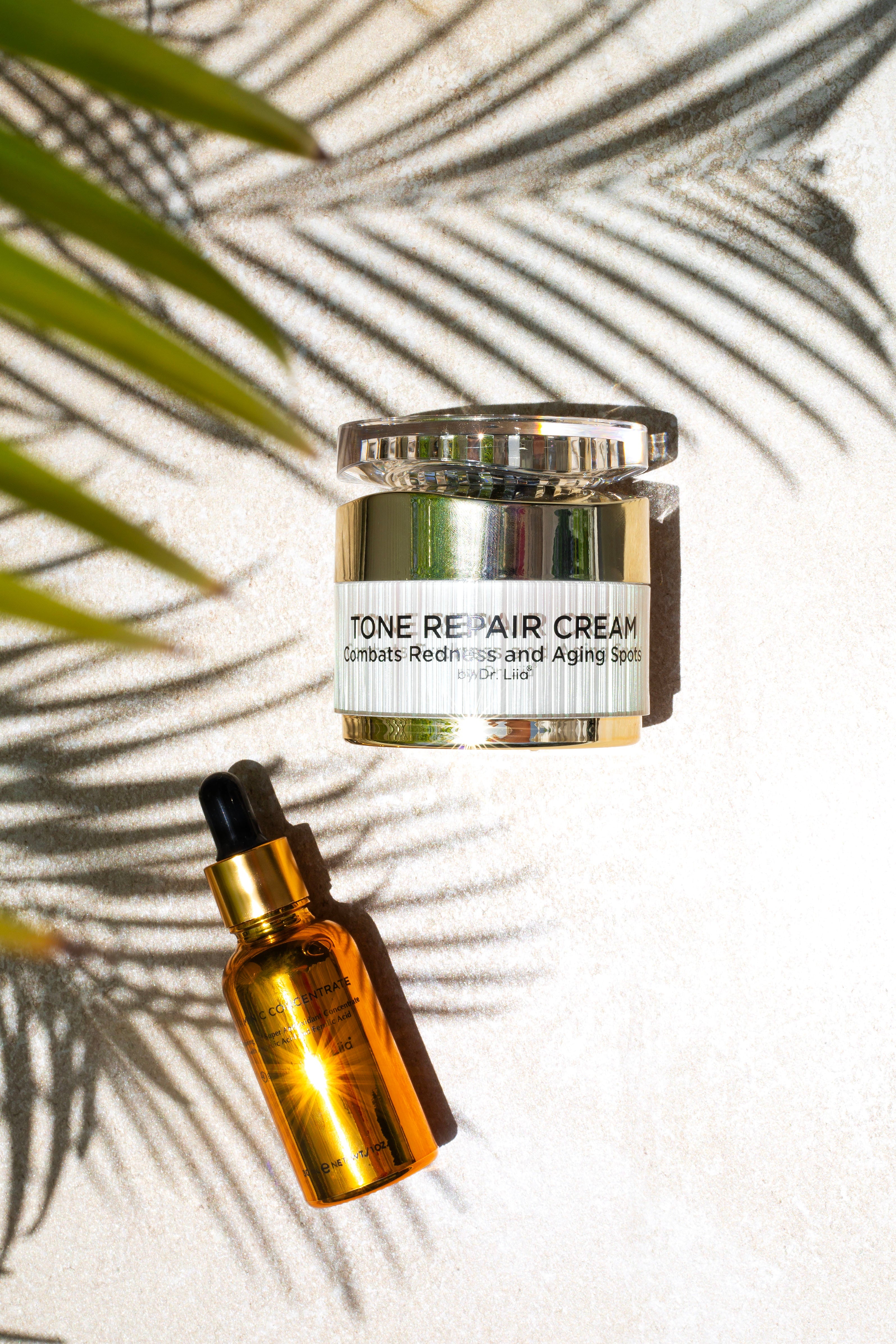
- Lightweight Face Moisturizer — ceramide barrier repair, allergen-free, fragrance-free
- Brightening Vitamin C Glow Serum — antioxidant + barrier support actives
- Niacinamide Serum — NAD+ barrier support + anti-inflammatory
- Full Sensitive Skin Collection — every product allergen-verified at the pharmacist level
Use code EpiLynxglow25 for 25% off · Free shipping on orders $54+
Frequently Asked Questions
What is beta-glucan and why is it trending in skincare in 2026?
A polysaccharide from yeast, oats, or mushrooms that provides three mechanisms: Dectin-1 immune modulation (shifts immune response toward anti-inflammatory), film-forming humectancy (reduces TEWL), and wound healing acceleration (macrophage activation). The combination of moisture support and immune modulation makes it uniquely valuable for sensitive, reactive skin — addressing both symptoms and underlying inflammatory biology simultaneously.
Is beta-glucan safe for people with oat allergies?
Only when sourced from yeast or mushroom — not oat (Avena Sativa) or barley (Hordeum Vulgare). The functional molecule is identical regardless of source, but oat-derived beta-glucan may contain residual avenin protein that poses transcutaneous sensitization risk on eczema skin. Check the INCI name to verify source.
Is beta-glucan better than hyaluronic acid for sensitive skin?
Complementary, not competing. HA provides deep humectancy; beta-glucan provides surface film moisture retention + Dectin-1 immune modulation. Using both — HA on damp skin for deep hydration, beta-glucan in a cream for surface protection and anti-inflammatory benefit — is the optimal combination for reactive skin. EpiLynx Sensitive Skin →