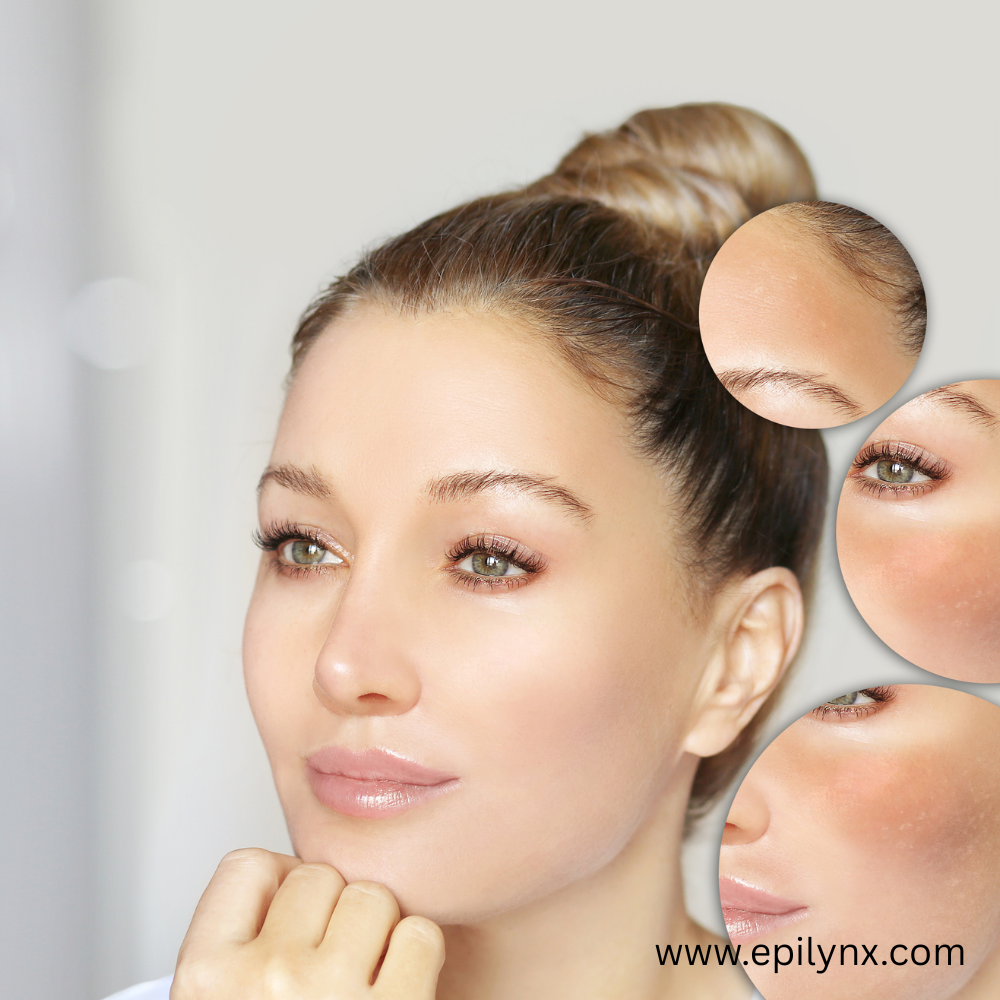
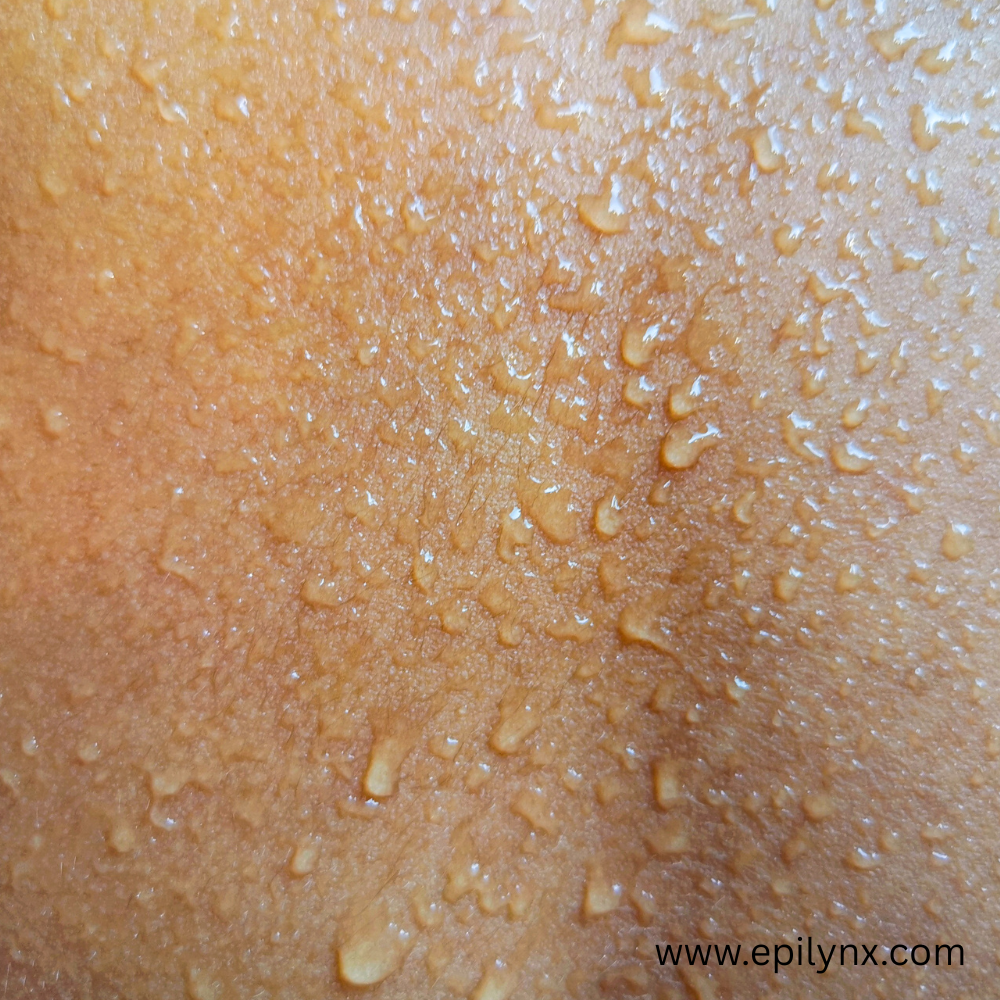
You bought the fancy moisturizer with the beautiful packaging. The one with 47 five-star reviews and a celebrity endorsement. You've been using it faithfully for three weeks and your skin is... worse. Not dramatically worse. Just kind of constantly annoyed. Red in the mornings. Itchy at random. Breaking out in places you don't normally break out. Sound familiar? You might be experiencing the skincare paradox — where the products designed to help your skin are quietly making it angry.
As a pharmacist and founder of EpiLynx, I've seen this scenario more times than I can count. Here are the five most telling signs that your skincare routine is triggering your allergies — and what to do about each one.
Sign #1: Your skin is worse in the morning than when you went to bed
You cleanse, apply your evening serums and moisturizer, and go to sleep. You wake up with puffier, redder, or more irritated skin than you had when you went to bed. This is a classic sign of a delayed allergic reaction — specifically, Type IV hypersensitivity (contact dermatitis), which typically peaks 12–48 hours after exposure.
The culprit is almost always something in your nighttime routine, because those products have the longest contact time with your skin — typically 7–8 hours without being washed off. Common overnight offenders include retinol products with fragrance additives, rich moisturizers with nut oils, and eye creams with wheat-derived peptides.
What to do: Switch your nighttime moisturizer first. The Retinol Night Moisturizer delivers overnight renewal with Retinol, Vitamin C, and Niacinamide — with zero fragrance, zero nut oils, and zero common allergens. The Miracle Face Cream with hemp seed oil is another excellent allergen-free overnight option for redness-prone skin. If you use an eye cream at night, swap to the Ultra Renewal Depuffing Eye Cream — formulated specifically for the delicate, reaction-prone skin around the eyes.
Sign #2: You react to "sensitive skin" products
Oh, the irony. You deliberately buy the product labeled "for sensitive skin" and your sensitive skin immediately stages a protest. Here's why this happens so often: "sensitive skin" is a marketing category with absolutely no regulatory definition. Brands can market any product as sensitive-skin-friendly regardless of what's actually in it.
The most common offenders lurking inside "sensitive skin" products? Oat extract (Avena sativa) — a go-to ingredient for calming skin that is absolutely not safe for people with celiac disease or gluten sensitivity. Almond oil — used extensively for its "gentle, nourishing" properties, but a top-9 allergen. And fragrance — present even in many "sensitive" lines to cover up the smell of other ingredients.
What to do: Stop trusting the label and start reading the ingredient list. Or easier: shop with a brand that formulates specifically for people with real sensitivities and publishes every ingredient. The Lightweight Calming Face Moisturizer contains aloe vera, borage seed oil, sea buckthorn, and ashwagandha — chosen specifically because they calm inflammation without triggering it. The Super Nourishing Calming Face Cream with ceramides and allantoin is a rich option for extremely dry or compromised skin.
Sign #3: Your eyes are constantly puffy or irritated — even without crying
Puffy, itchy, or watery eyes without an obvious cause (no crying, no seasonal allergies, no screen time marathon) can be a telltale sign that your eye makeup or eye cream is triggering a reaction. The skin around your eyes is the thinnest on your entire body — roughly 0.5mm — and sits immediately adjacent to the conjunctival mucous membrane, which can absorb allergens rapidly.
Mascara is a particularly common culprit. Many mascaras contain hydrolyzed wheat protein (a gluten derivative used to build volume and curl), beeswax (problematic for vegans and some allergy sufferers), and fragrance. Conventional eye creams frequently use almond oil, macadamia oil, or other nut derivatives as emollients.
What to do: Replace your eye makeup and eye cream entirely with allergen-free alternatives. The Mega Volume Vegan Mascara delivers dramatic lashes without wheat protein, fragrance, or allergens. For eyeliner, the Waterproof Liquid Eyeliner Pen is smudge-proof and allergen-free. For eye cream, the Anti-Aging Peptide Eye Cream uses Argireline NP and Eyeseryl B to firm and depuff without a single common allergen. Many customers report noticeable improvement in eye puffiness within two weeks of switching.
Sign #4: You get mysterious breakouts in unusual places
Regular hormonal acne tends to cluster in predictable zones — jawline, chin, forehead. But if you're seeing breakouts along your hairline (likely your shampoo or conditioner), around your mouth (lip products or toothpaste), right at the edge of where you apply foundation (formulation issue), or in a diffuse pattern across your cheeks (your moisturizer or serum) — that's classic allergic contact dermatitis, not acne.
These breakouts often don't respond to acne treatments because they're not actually acne. They're localized immune responses. Treating them with benzoyl peroxide or salicylic acid will just irritate already-irritated skin further.
What to do: Map your breakout location to your product usage. If you're seeing bumps around the mouth, audit your lip products first. The Color-Changing Flower Lip Gloss, Matte Lip Stain, and Lip Balm + Lipstick + Gloss Set are all fully allergen-free. If the breakouts are in foundation territory, try the Matte Foundation SPF 30 or Flawless Matte Concealer — both formulated without the 14 most common allergens. For acne-prone skin that also needs brightening, the Kojic Acid Brightening Face Cream treats breakouts without stripping the barrier.
Sign #5: Your skin has been "reactive" for years and nothing seems to help
This is the big one. If you've seen dermatologists, tried elimination diets, changed your diet, tried multiple skincare lines, and your skin is still chronically reactive — the answer might be frustratingly simple: you've never actually used a skincare routine that was fully free of your triggers.
Most "clean beauty" brands are not allergen-free. Most "natural" brands contain nut oils. Most "dermatologist-tested" products still contain fragrance. Even many prescription skincare recommendations contain common allergens because the formulas prioritize efficacy over allergen avoidance.
A true allergen elimination approach to skincare — using products formulated without all 14 common allergens, fragrance, gluten, and nut derivatives — is something most people with chronically reactive skin have never actually tried. And for many, it's genuinely transformative.
What to do: Go all-in on a fully allergen-free routine for 6 weeks. Replace everything — cleanser, serum, moisturizer, eye cream, sun protection, and makeup. Here's a complete starter kit approach:
- Gentle Hydrating Facial Cleanser — your new daily cleanse
- Vitamin C Glow Serum or EpiSilk Crystal Serum — choose based on your primary concern
- Anti-Aging Peptide Eye Cream — morning and night
- Sunrise Nourishing Firming Cream — daytime moisture
- Retinol Night Moisturizer — nighttime repair
- Tinted CC Moisturizer SPF 55 — sun protection + light coverage
Or take the shortcut and grab the Firming & Brightening Anti-Aging Set — a curated 3-piece system designed to work together for sensitive and reactive skin.
The elimination approach: how to figure out what's actually triggering you
If you want to go full detective mode on your skin, here's the protocol I recommend:
- Stop everything for 1 week. Use only the most basic cleanser and moisturizer — ideally both from EpiLynx so you know they're allergen-free. Let your skin reset.
- Reintroduce one product at a time. Wait 3–5 days between each new addition. This gives enough time for delayed reactions (Type IV hypersensitivity) to appear.
- Patch test anything new. Apply a small amount to the inside of your elbow or behind your ear for 48 hours before using on your face.
- Read every ingredient list. Look specifically for: fragrance/parfum, hydrolyzed wheat protein, oat extract, almond oil, macadamia oil, and preservatives like methylisothiazolinone.
- Document everything. Take photos in the same lighting each morning. It's much easier to see patterns when you have photographic evidence rather than relying on memory.
Frequently asked questions
How long does it take for skin to calm down after removing a trigger?
For mild contact dermatitis, most people see improvement within 1–2 weeks of eliminating the offending ingredient. For more established or chronic reactions, it can take 4–6 weeks for the skin to fully calm. Be patient — the skin barrier has to repair itself, and that takes time and the right ingredients.
Can I be allergic to a product I've used for years without problems?
Absolutely — and this surprises a lot of people. Allergies are developed through repeated exposure. You can use a product for years before your immune system decides it's had enough and mounts a response. This is called sensitization, and once it happens, even trace amounts of the allergen can trigger a reaction. This is also why rotating skincare products without checking ingredients carefully can be risky.
Are EpiLynx products safe for people with multiple allergies?
EpiLynx products are formulated without the 14 most common allergens, plus gluten, tree nuts, fragrance, and animal byproducts. Every ingredient is listed on the product page. For people with very specific or unusual allergies, we always recommend reviewing the full ingredient list and doing a patch test. You can also email us at inquiries@epilynx.com with specific ingredient questions — we're a pharmacist-founded brand and we actually answer.
What's the fastest way to calm an allergic skin reaction?
Stop using the suspected product immediately. Keep the skin cool and moisturized with a fragrance-free, allergen-free moisturizer. Avoid hot water, exfoliants, and active ingredients until the skin has calmed. For severe reactions, consult a dermatologist. The Miracle Face Cream or Lightweight Calming Moisturizer are good allergen-free options to support the barrier during recovery.
The bottom line
Chronically reactive skin is not a personality trait — it's a sign that something in your environment is triggering an immune response. And for a lot of people, that something is sitting right there in the bathroom, presented in beautiful packaging and promising to make things better.
The fix isn't always complicated. Sometimes it's just: remove the triggers, support the barrier, and give your skin the chance to do what it's actually very good at — healing itself.
EpiLynx exists for exactly this. Gluten-free, nut-free, fragrance-free, and formulated by a pharmacist who understood the problem from the inside out. Shop the full collection and use code EPILYNXGLOW35 for 35% off.
Not sure where to start? Take the free Skin Quiz and get personalized product recommendations for your skin type and concerns.
— Dr. Liia, PharmD, Founder of EpiLynx by Dr. Liia