🥜💥 Nut-Free Beauty Myths That Need to Die Already (Seriously, It’s 2026)
So Many Myths, So Few Nuts Your Skin Actually Wants
For some reason, the world treats nut-free skincare like a conspiracy theory.
People will believe a serum can “detox your aura,”
but tell them you avoid almond oil and suddenly you’re dramatic.
Let’s fix that.
Here are the most unhinged, persistent, and shockingly wrong myths about nut-free skincare — and the actual science behind why nut-free beauty matters.
Prepare for some myth funerals. 💐
1. Myth: “Nut Oils Don’t Cause Reactions Because They’re ‘Just Oils.’”
Oh yes. The classic.
📌 Reality:
Nut oils STILL contain allergenic proteins.
And those proteins can absolutely cause reactions — even from topical contact.
💡 Science drop:
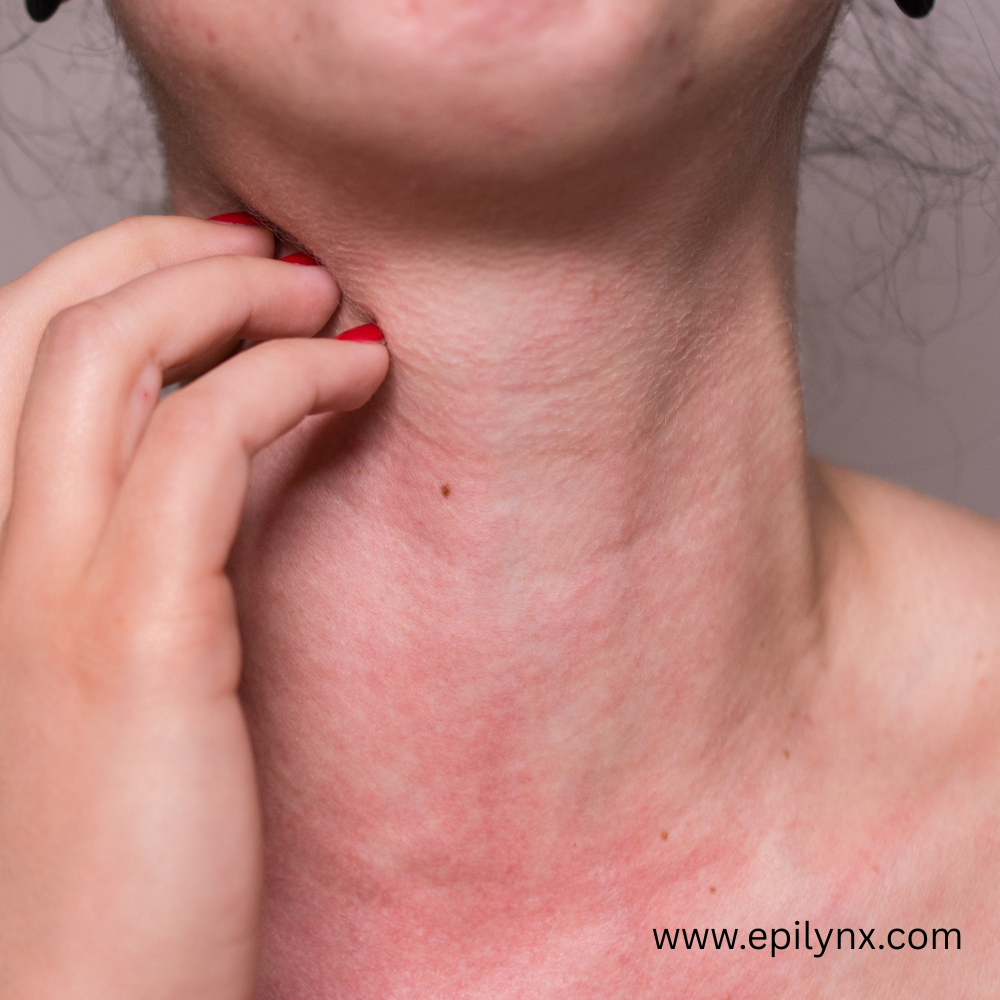
Studies show that nut-allergic individuals can react to lotions containing almond or walnut oil through intact skin.
Your immune system does not care whether the nut was cold-pressed or gently blessed by angels — it recognizes the protein either way.
2. Myth: “Shea Butter Is Always Safe.”
We need a moment for this one.
📌 Reality:
Shea butter comes from tree nuts.
It usually contains fewer allergenic proteins…
but “low-risk” ≠ “no risk.”
Especially not for:
-
eczema-prone skin
-
children
-
people with multiple nut allergies
-
barrier-impaired skin
💡 Hot take:
If your skin barrier is already fragile, don’t test fate with tree-nut derivatives.
3. Myth: “Nut-Free Skincare Is Only for Extreme Allergies.”
Nope. Try again.
Nut-free is also ideal for:
✔ eczema
✔ perioral dermatitis
✔ reactive, sensitive skin
✔ compromised skin barriers
✔ people who want to avoid unnecessary allergens
📌 Surprising truth:
Even people with ZERO food allergies may react to nut oils applied topically.
Skin = picky.
Skin with sensitivities = pettier than your ex.
4. Myth: “Coconut Isn’t a Nut, So It’s Always Safe.”
Technically? Coconut is a fruit.
Immunologically? Things get spicy.
📌 Reality:
Some nut-allergic people cross-react with coconut.
And coconut oil can be highly comedogenic — meaning breakouts galore.
💡 Bonus fact:
Coconut oil is one of the top causes of lip and beard acne (“pomade acne”).
So, yeah. It’s not the universally safe angel oil TikTok claims.
5. Myth: “If It’s Natural, It’s Safe.”
LOL. No.
Poison ivy is natural. Mercury is natural. Arsenic is natural.
Nature doesn’t care about your epidermis.
📌 Reality:
Nut oils are natural AND allergenic.
Synthetic alternatives can actually be safer because they’re purified and predictable.
Clean beauty is great — but allergen-safe beauty is smarter.
6. Myth: “Nut Oils Are Necessary for Moisture.”
Nope.
Your skin does not need almonds to thrive.
There are PLENTY of nut-free moisturizers and oils with identical benefits:
Nut-free hydration heroes:
-
squalane
-
sunflower oil
-
glycerin
-
niacinamide
-
hyaluronic acid
-
rice bran oil
-
oat extract (gluten-free)
📌 Science:
Your barrier needs lipids — not nuts specifically.
It’s like saying you can ONLY get protein from beef.
No, you can also eat beans. Or tofu. Or literally anything else.
7. Myth: “Nut-Free Beauty Is Boring and Limited.”
Absolutely not.
This myth was invented by someone who spent 5 minutes shopping in 2010.
📌 Reality:
Nut-free beauty today includes:
-
lotions
-
sunscreens
-
haircare
-
makeup removers
-
masks
The category is exploding because consumers are tired of playing allergen roulette.
Nut-free beauty is not boring — it’s liberating.
8. Myth: “If You’re Not Eating It, It Can’t Hurt You.”
Dermatologists everywhere just screamed.
📌 Reality:
Topical exposure is a known sensitization route, especially with eczema.
Meaning:
Your skin can develop an allergy from exposure to nut oils even if you never eat nuts.
This is especially true for children.
💡 Mind-blowing fact:
Several peanut allergy cases were traced back to baby lotions containing peanut oil.
Not ingestion — lotion.
9. Myth: “Dermatologist-Recommended Means Nut-Free.”
Oh, if only.
Dermatologists evaluate:
-
efficacy
-
formula feel
-
irritation potential
They do not automatically screen for nut allergens unless you ask.
There are MANY “derm-approved” products loaded with almond, argan, macadamia, or shea.
Derm-approved ≠ allergen-approved.
10. Myth: “If I Didn’t React Before, I Never Will.”
Your immune system is moody.
Allergies can appear at any age — and at any time.
📌 Reality:
Repeated exposure to nut oils can trigger sensitization, especially if your barrier is compromised.
This is why eczema sufferers are at higher risk of developing new allergies.
Final Thought: Nut-Free Skincare Isn’t Overprotective — It’s Smart
Nut oils are beautiful in food…
but your skin care doesn’t need to smell like dessert to be effective.
Going nut-free is not dramatic.
It’s not limiting.
It’s not overreacting.
It’s safe,
smart,
and way easier than dealing with unpredictable reactions.
Your skin deserves clarity — not guesswork.
Because beauty should never feel risky — just reassuring.