
🥜🔍 The Hidden Places Nut Ingredients Sneak Into Skincare (and How to Outsmart Them)
Intro: You Should Not Need a Chemistry Degree to Buy Moisturizer
Shopping for skincare shouldn’t feel like reading the ingredient list of a granola bar.
And yet… here we are.
Almond oil in lip balm. Macadamia oil in hair serum. Shea butter in “gentle” baby lotion.
Sometimes it feels like the entire beauty industry is sponsored by trail mix.
For anyone with nut allergies OR sensitive skin, this is not just annoying — it’s risky.
Let’s expose all the sneaky, surprising, totally unexpected places nut-derived ingredients hide… and how to avoid them without losing your mind.
1. Lip Products: The #1 Sneaky Nut Minefield 💄
Lipsticks, balms, glosses — all notorious for nut oils.
Why?
Because nut oils melt beautifully and feel buttery.
But for nut-allergic users? That’s a dermatological jump-scare.
Common nut ingredients in lip products:
-
Almond oil
-
Shea butter
-
Hazelnut oil
-
Macadamia seed oil
-
Mango kernel butter
-
Argan oil (tree-nut derived)
📌 Why it matters:
Lip products go into your mouth.
Even microscopic exposure can trigger allergic reactions.
💡 Mind-blowing fact:
People with nut allergies often react faster to lip products because mucosal skin absorbs allergens more quickly.
2. Haircare: The Place No One Thinks to Check (But Should) 💆♀️
Shampoos, conditioners, oils, curl creams — they’re FULL of nut oils.
Brands use them for shine, frizz control, and “natural moisture.”
The usual suspects:
-
Argan oil
-
Macadamia oil
-
Almond oil
-
Shea derivatives
📌 The unexpected danger:
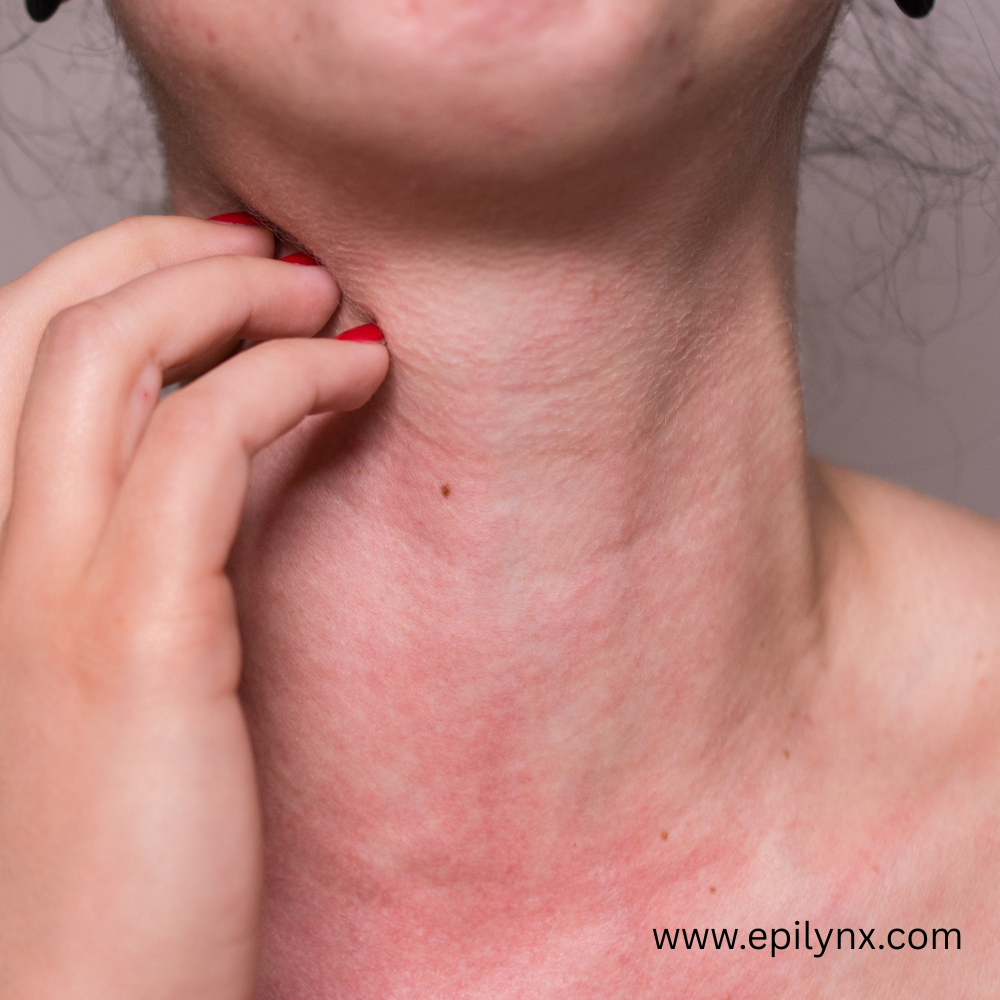
Hair products rinse down your face and neck in the shower — the exact areas most prone to irritation and dermatitis.
💡 Fun fact:
Dermatologists call this “rinse-off dermatitis” — and nut oils are a common trigger.
3. “Sensitive Skin” Products — The Irony Is Wild 🧴😑
You’d think “gentle,” “clean,” “sensitive,” or “natural” skincare would avoid allergens.
NOPE.
Many sensitive skin lines use nut oils because they’re “plant-based emollients.”
But plant-based ≠ allergen-free.
📌 Brands rarely mention allergen content unless it’s gluten or dairy.
Nut oils often slide right under the radar.
💡 Real talk:
Just because something is “natural” does NOT mean your immune system will accept it.
4. Sunscreens: The Underrated Offenders ☀️🤯
Mineral sunscreens often contain shea butter or almond oil to counteract the chalky feel.
Watch out for:
-
Butyrospermum Parkii (Shea)
-
Prunus Amygdalus Dulcis (Almond)
-
Corylus Avellana (Hazelnut)
📌 Nut oils help with texture — but at the cost of safety for allergic users.
💡 Science note:
Allergen proteins can remain intact in oils even after processing.
5. Body Care: Lotions, Butters & Scrubs = Nut Oil Playground 🥥🛁
Body lotions and butters love nut ingredients: they’re cheap, rich, and smell nice.
Where they hide:
-
Hand creams
-
Body butters
-
Stretch-mark oils
-
Body scrubs
-
Cuticle balms
📌 Major misconception:
“Topical = safe for nut allergies.”
This is FALSE — topical exposure is a known trigger.
6. Makeup: Foundations, Powders, Blushes… Yup, Nuts Live Here Too 🎨
Nut oils act as slip agents, emollients, and pigment binders.
Common nut-derived ingredients in makeup:
-
Macadamia oil in foundations
-
Shea in cream blush
-
Almond in primers
-
Argan in tinted moisturizers
📌 One of the sneakiest:
“Hydrogenated vegetable oil” — often includes almond or hazelnut oils without specifying the source.
💡 Pro tip:
If a product contains “vegetable oil” but won’t say WHICH vegetable… assume it’s a nut until proven otherwise.
7. Baby Products: The Plot Twist No One Sees Coming 🍼😳
Many “baby-safe” or “organic” lotions actually use almond or shea as their base.
For babies with eczema or emerging allergies, this can be a huge issue.
📌 Early allergen exposure through broken skin is well documented in allergy research.
💡 Translation:
If the barrier is compromised (common in babies), nut exposure can sensitize them.
8. “Dermatologist Recommended” Doesn’t Mean Nut-Free 🩺❌
This surprises everyone.
Dermatologists evaluate:
-
effectiveness
-
texture
-
safety for general population
They are NOT required to check for:
-
nut allergens
-
cross-reactivity
-
food allergy considerations
📌 Meaning:
A product can be derm-approved and still unsafe for nut-allergic or highly sensitive skin.
9. Hidden Label Terms That Actually Mean “Nut” (But Sound Harmless) 🕵️♀️
Here are the sneaky terms that trick 99% of people:
-
Butyrospermum Parkii = Shea
-
Prunus Armeniaca Kernel Oil = Apricot kernel (tree nut derivative)
-
Mangifera Indica Seed Butter = Mango kernel butter
-
Carya Illinoinensis = Pecan
-
Helianthus Annuus Seed Oil = Sunflower (safe!), but can be contaminated if processed in nut-handling facilities
💡 The biggest trap:
Ingredients with “kernel,” “seed butter,” or “prunus” are almost always nut-derived.
10. Why Nut Allergens in Skincare Are Seriously Underestimated
People assume nut allergies only matter when eating nuts.
But topical exposure can:
-
trigger dermatitis
-
flare eczema
-
cause hives
-
cause systemic reactions in sensitive individuals
-
sensitize children who already have eczema
📌 Skin is NOT a perfect barrier. It absorbs. A lot.
Especially when inflamed, dry, or freshly cleansed.
How to Outsmart Nut Ingredients Without Losing Your Mind
✔ Always read ingredient labels
Scroll all the way down. Twice.
✔ Avoid anything with “kernel,” “seed butter,” or Latin nut names
✔ Patch test EVERYTHING
Especially lip and eye products.
✔ Choose brands that openly list allergen policies
Trust transparency, not trends.
✔ Avoid heavily fragranced products
Fragrance + nut oils = irritation cocktail.
✔ When in doubt, go fully nut-free
It’s easier — and safer — than trying to decode every ingredient.
Final Thought: You Deserve Skincare You Don’t Have to Fear
Nut allergies are real. Sensitive skin is real. And skincare should be safe for EVERY body, not just those who can tolerate almonds in their moisturizer.
Ingredient literacy shouldn’t be exhausting — and your bathroom counter shouldn’t double as an allergy test.
Nut-free skincare isn’t limiting.
It’s empowering.
It puts your safety first — where it always should have been.