By Dr. Liia, PharmD — Pharmacist & Founder, EpiLynx by Dr. Liia | 6 min read
The Buzz About Beeswax 🐝
Beeswax sounds harmless, even wholesome. It conjures golden honeycombs, hardworking bees, and nature at its purest. No wonder it is in everything from lip balm to hand cream.
But beeswax allergy is real, it is more common than most people realise, and beeswax is not vegan. If a “natural” balm has been making your lips worse rather than better, this is the ingredient worth looking at first.
What Is Beeswax, Really?
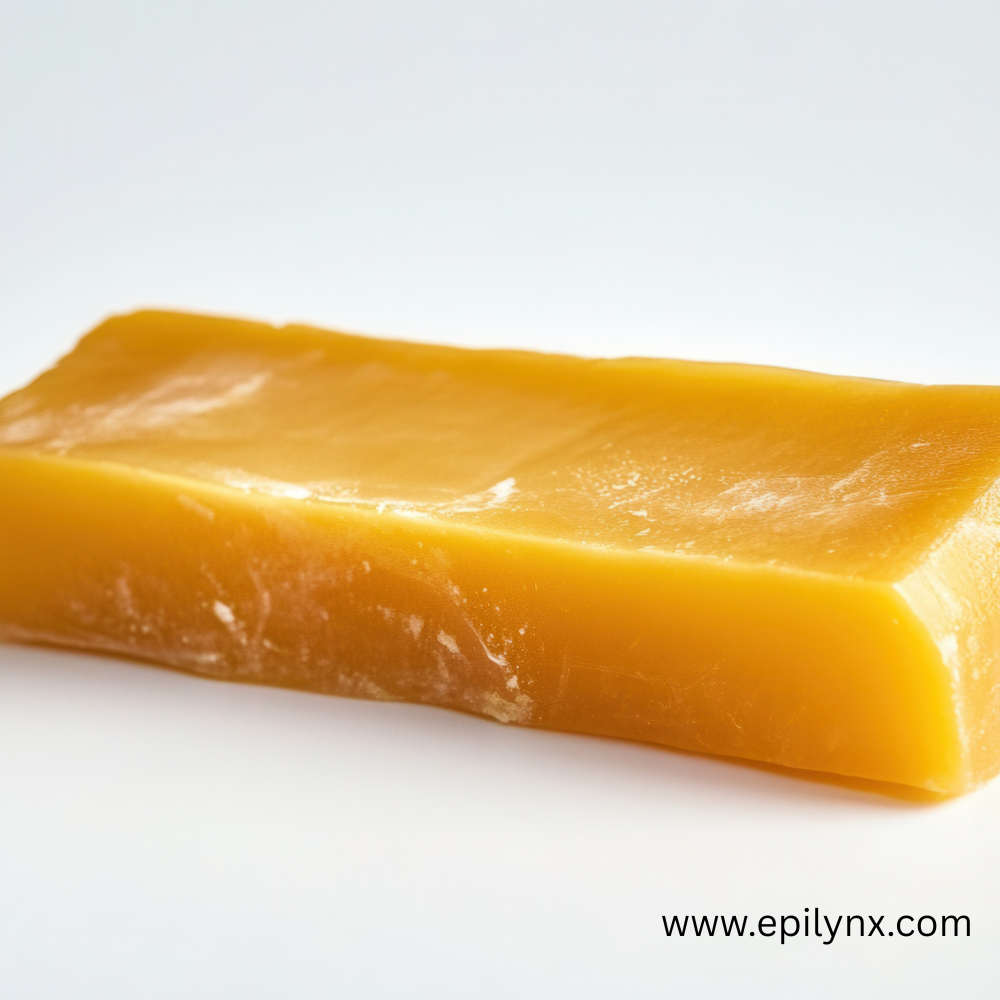
Beeswax (INCI: Cera Alba, sometimes Beeswax or Cera Flava) is a wax secreted by honeybees to build honeycomb. In cosmetics it does three jobs:
- Thickener — keeps balms and sticks solid at room temperature
- Emollient — softens and smooths the skin surface
- Occlusive barrier — slows water loss by sealing the surface
All useful. The problem is what comes with it: beeswax is not a purified single compound. It carries propolis, pollen residues and bee proteins through into the finished product, and those are the parts your immune system objects to.
Which is why the balm that was supposed to fix your chapped lips can quietly be the reason they never settle. If you want to test that theory, the simplest swap is a balm with no animal wax in it at all — the Gluten-Free Vegan Lip Butter is fully vegan, which by definition means beeswax-free, and gluten-free and nut-free besides. Give it two weeks and see whether the cycle breaks.
Beeswax Allergy: The Hidden Risk
Beeswax is natural, and natural is not the same as safe. The documented issues:
- Allergic contact dermatitis. Beeswax and propolis are both recognised contact allergens and appear in standard patch test series. On lips this shows up as persistent chapping, burning, or a fine scaly rash at the vermilion border.
- Propolis is the bigger culprit. Propolis — the resin bees use to seal the hive — is a strong sensitiser, and it travels with beeswax unless the wax is highly refined. Much cosmetic-grade beeswax is not.
- Pollen residues. These carry their own allergenic proteins, which is why people with pollen allergies sometimes react to beeswax products seasonally.
- Cross-reactivity. If you react to bee stings, propolis, or honey, your risk with topical beeswax is meaningfully higher.
As with every contact allergy, it is cumulative. You can use the same balm happily for years and then start reacting — that is the normal course of sensitisation, not evidence that something else must be to blame.
Why Beeswax Is Not Vegan or Cruelty-Free
Beeswax is animal-derived, full stop. Harvesting means disrupting hives and taking a material the colony produced for its own use, and commercial practice can stress colonies at a time when pollinator populations are already under pressure.
So a product containing Cera Alba cannot honestly carry a vegan claim — though plenty do, because “vegan” is not a regulated term in cosmetics. If you are buying vegan deliberately, beeswax is one of the two ingredients most likely to slip past you. Carmine is the other.
Why It Is a Poor Choice for Sensitive Skin
Even setting allergy aside, beeswax is a heavy occlusive. On compromised or acne-prone skin that creates two problems: it can trap irritants and bacteria against the surface, and it can feel greasy enough that people under-apply it, which defeats the point.
For barrier repair on reactive skin, a well-built cream does the job better than a wax seal — the Gluten-Free Vegan Calming Face Cream was formulated for exactly this profile: dry, stressed, easily provoked skin that cannot tolerate heavy occlusives.
Allergen-Safe Alternatives to Beeswax
You do not need bees to get the same texture and hold. The plant waxes that replace it:
- 🌱 Candelilla wax (Euphorbia Cerifera) — from a desert shrub. Harder than beeswax, so less is needed, and it carries no protein or pollen. This is the main one we use.
- 🌿 Carnauba wax (Copernicia Cerifera) — from Brazilian palm leaves. Very high melting point, adds gloss and structure to lip colour.
- 💧 Refined shea butter — creamy emollient texture without any animal input.
- 🌸 Ozokerite and synthetic waxes — inert, allergen-free, and completely consistent batch to batch, which matters more than it sounds.
Every EpiLynx product is vegan, so none of them contain beeswax, propolis or honey. In our colour cosmetics the structure comes from candelilla and mineral waxes instead — that is how the Matte Lipstick holds its shape and the Concealer Stick stays a stick.
Frequently Asked Questions
Can you be allergic to beeswax?
Yes. Beeswax is a recognised contact allergen and features in standard dermatology patch test series. Reactions usually present as allergic contact dermatitis — redness, itching, swelling, or chronic chapping where the product is applied. Much of the reactivity is attributed to propolis and pollen carried through with the wax rather than the wax itself.
What are the symptoms of a beeswax allergy on the lips?
Persistent chapping that does not improve with more balm, a burning or stinging sensation on application, fine scaling at the lip border, and sometimes swelling. The tell is that reapplying makes it worse rather than better — a cycle people often mistake for dehydration.
Is beeswax vegan?
No. It is produced by honeybees and harvested from hives, so it is animal-derived. Products containing Cera Alba are not vegan regardless of what the front of the packaging says.
If I am allergic to bee stings, should I avoid beeswax?
It is a sensible precaution and worth raising with your allergist. Sting allergy and beeswax contact allergy are different mechanisms, but overlap is documented, and propolis sensitivity in particular is more common in people with other bee-related allergies.
Are plant waxes as effective as beeswax?
Yes. Candelilla is harder than beeswax so slightly less is needed for the same structure, and carnauba has a higher melting point, which is why it is used in long-wear lip products. Neither carries pollen or protein.
🐝 Beeswax-free, if you are switching:
- Gluten-Free Vegan Lip Butter — the balm swap, for chapping that will not settle
- Glow Pop Lip Stain — colour with no wax, no fragrance, no flavour
- Calming Face Cream — barrier repair without a heavy occlusive seal
All vegan, so all beeswax-free — plus gluten-free, nut-free and cruelty-free. Free US shipping on orders over $39.
Final Thought
Beeswax is marketed as natural, and it is. But natural is a description of origin, not a safety claim — and for a meaningful number of people it is the reason a lip balm stopped working.
With candelilla and carnauba doing the same job without protein, pollen or a hive, there is no longer a technical argument for it. Your lip balm should not come with a sting.
Keep reading: Why Lip Products Are the Most Dangerous Category for Allergies · The Truth About Carmine