By Dr. Liia, PharmD — Pharmacist & Founder, EpiLynx by Dr. Liia | May 6, 2026 | 6 min read
Perimenopause Dry Skin, Dry Eyes & Dry Everything: The Estrogen-Moisture Connection — And What to Do
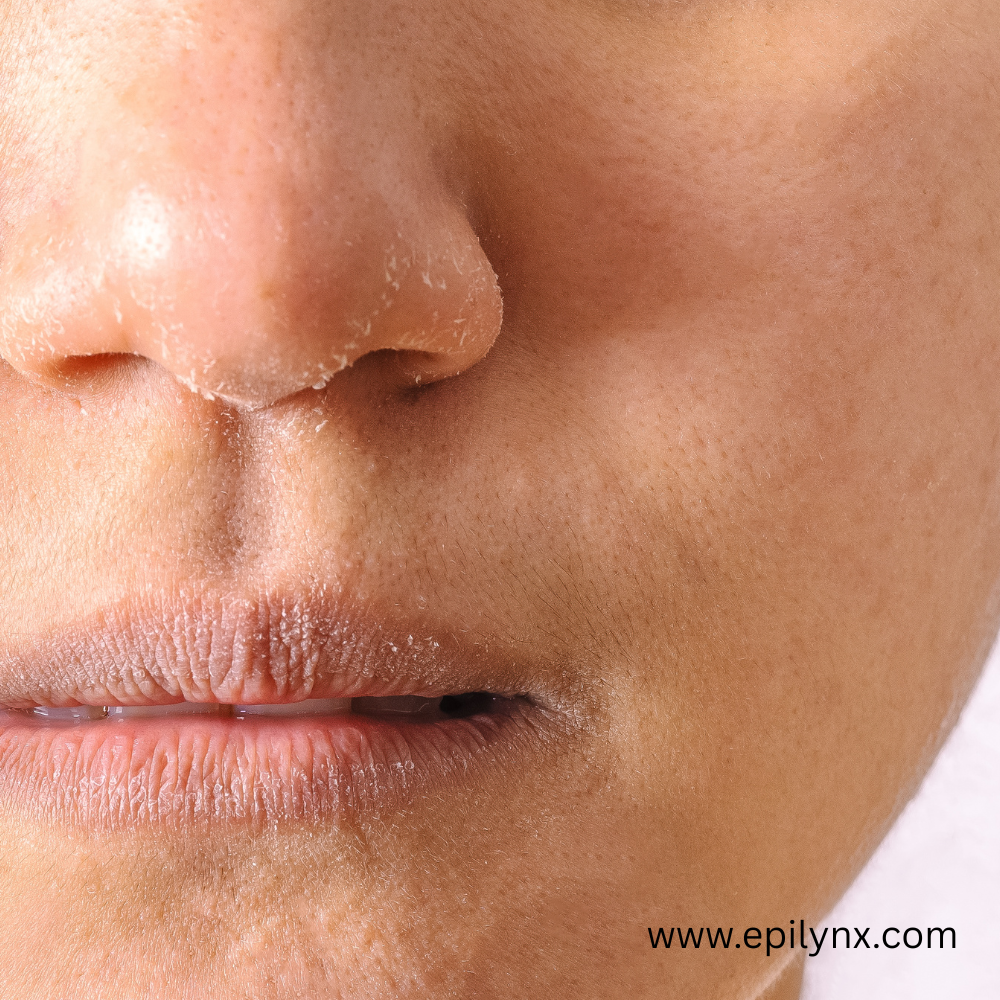
Your eyes are perpetually gritty. Your lips are constantly chapped. Your skin feels tight an hour after moisturizing. And your optometrist mentioned dry eye syndrome at your last appointment. If you're in perimenopause, these aren't separate problems with separate causes. They're one problem: estrogen decline — and they share a solution that most skincare advice never connects to dry eye clinic recommendations. Here's the whole picture.
Estrogen: The Body's Master Moisture Regulator
Estrogen does something that almost no other hormone does quite so broadly: it regulates moisture and hydration across virtually every tissue in the body. This is why estrogen decline during perimenopause doesn't produce isolated dryness in one location — it produces a simultaneous, whole-body moisture withdrawal that affects skin, eyes, mouth, mucous membranes, and joints.
The specific mechanisms estrogen operates through:
- Hyaluronic acid (HA) stimulation in skin: estrogen directly upregulates hyaluronan synthase — the enzyme that produces HA in dermal fibroblasts. Declining estrogen means declining skin-based HA production. This is why perimenopausal skin loses the "plumpness" that adequate hydration provides — it's not just surface dryness, it's a reduction in the water-binding molecules within the dermis itself.
- Glycosaminoglycan production: beyond HA, estrogen stimulates production of chondroitin sulfate and other glycosaminoglycans — large water-binding molecules throughout connective tissue. Their decline contributes to the loss of skin thickness and elasticity as well as joint dryness during perimenopause.
- Sebum and barrier lipid production: estrogen maintains sebaceous gland activity and the synthesis of ceramides and fatty acids in the skin barrier. As it declines, both sebum and barrier lipids decrease — removing the skin's natural occlusive protection against moisture loss.
- Lacrimal gland function: estrogen receptors in the lacrimal glands (which produce tears) and meibomian glands (which produce the oily layer of the tear film) mean that estrogen directly regulates tear production and composition. Declining estrogen leads to reduced, lower-quality tear production — dry eye syndrome.
- Mucous membrane hydration: estrogen maintains hydration of all mucous membranes — oral, nasal, vaginal. Their simultaneous dryness during perimenopause reflects the withdrawal of estrogen's moisture-maintaining influence across all of these tissues.
Understanding this whole-body moisture mechanism reframes perimenopausal dryness: it's not multiple separate conditions to manage with separate products. It's one endocrine shift expressing itself through every moisture-dependent tissue simultaneously.
The Skin-Eye Dryness Connection: What Your Optometrist and Your Skincare Routine Should Be Sharing
Dry eye syndrome (keratoconjunctivitis sicca) affects women at significantly higher rates than men, and incidence rises sharply during perimenopause. The periorbital skin — the thin, delicate skin around the eyes — and the lacrimal and meibomian glands are both estrogen-sensitive tissues experiencing the same estrogen withdrawal simultaneously.
The practical implications for skincare:
- The eye area requires a dedicated, allergen-free eye cream — the periorbital skin is thinner than anywhere else on the face, more permeable to allergens, and directly adjacent to the eyes themselves. Any fragrance, allergen, or harsh preservative in an eye-area product has a direct pathway to worsen dry eye symptoms.
- Many conventional eye creams contain fragrance, menthol, or "cooling" compounds that feel refreshing but irritate the lacrimal glands and worsen tear film stability — the opposite of helpful for perimenopausal dry eye.
- Hyaluronic acid in an eye serum or cream provides the HA that declining estrogen no longer stimulates — directly addressing the most important water-binding deficit in the periorbital area.
The Celiac and Food Allergy Compounding Factor
Women with celiac disease enter perimenopause with two nutrient deficits that directly worsen the estrogen-related dryness:
Essential Fatty Acid Malabsorption
Celiac disease impairs the absorption of fat-soluble nutrients including omega-3 and omega-6 essential fatty acids. These EFAs are structural components of the skin barrier's lipid matrix — specifically, they're incorporated into ceramides and phospholipids that prevent transepidermal water loss. Depleted EFAs mean a barrier that cannot retain moisture even when adequately supplied topically. Replenishing EFAs through dietary means (on a strict gluten-free diet) and potentially supplementation (confirmed with your gastroenterologist) supports skin hydration from the inside.
Zinc Malabsorption
Zinc is a cofactor in the enzymes that maintain skin barrier integrity and supports the production of natural moisturizing factors (NMF) in the stratum corneum. Celiac-driven zinc depletion reduces the skin's inherent moisture-retention capacity — compounding the estrogen-driven HA and ceramide loss of perimenopause. The result: perimenopausal dryness that is more severe, more difficult to treat topically, and more rapidly progressive than in non-celiac women of the same age.
The Three-Layer Hydration Strategy for Perimenopausal Skin
Effective moisture management for perimenopausal skin — especially allergy-prone and celiac skin — requires addressing three distinct functional layers simultaneously:
Layer 1: Humectants — Draw Water In
Humectants attract and bind water molecules from the environment and from deeper skin layers into the surface. During perimenopause, when intrinsic HA production has declined, topical humectants become the primary water-delivery mechanism.
- Hyaluronic acid (multiple molecular weights) — low MW HA penetrates to deeper layers; high MW HA creates surface hydration film. The most effective formulas use both.
- Glycerin — one of the most effective, safest, and most universally tolerated humectants; draws water continuously into the skin surface
- Sodium PCA — a natural component of the skin's NMF; particularly relevant as NMF production declines with age and estrogen loss
Application tip: apply HA serum to damp skin — it draws moisture from the water droplets on your face rather than from deeper skin layers, maximizing surface hydration effect.
Shop EpiLynx allergen-free hyaluronic acid serums →
Layer 2: Barrier Repair — Seal It In
Without an intact barrier, any moisture delivered by humectants simply evaporates. Estrogen loss has depleted the ceramide and lipid production that maintains barrier integrity — topical ceramides must replace what the body no longer produces.
- Ceramides (NP, AP, EOP) — restore the lipid matrix; most effective when multiple ceramide types are combined
- Cholesterol and fatty acids — alongside ceramides, complete the skin's lamellar lipid structure
- Squalane — a biomimetic oil that fills lipid gaps in the barrier; exceptionally well-tolerated by allergy-prone and celiac skin
Shop allergen-free ceramide face creams →
Layer 3: Occlusion — Lock It Down
During severe perimenopausal dryness, an occlusive layer over your nighttime routine dramatically reduces overnight TEWL. The most well-tolerated options for allergy-prone skin are non-comedogenic occlusives that don't contain food allergens:
- Petrolatum (Vaseline) — the gold standard occlusive; extremely unlikely to cause reactions; fragrance-free; apply as the very last step in your PM routine over everything else
- Squalane — a lighter occlusive option for those who find petrolatum too heavy
- Avoid: coconut oil, shea butter, almond oil — these are food allergen-derived and are both comedogenic concerns and allergen risks for this population
🌿 EpiLynx Maximum Hydration Protocol for Perimenopause:
- AM: HA serum on damp skin → ceramide cream → mineral SPF
- PM: Gentle cleanse → HA or peptide serum → allergen-free eye cream → richer ceramide night cream → optional petrolatum seal on very dry areas
- Body: Soak and seal — lukewarm bath → pat dry → allergen-free body lotion within 3 minutes
Use code EPILYNXGLOW35 for 35% off.
Frequently Asked Questions
Why does perimenopause make everything dry — skin, eyes, mouth?
Estrogen is the body's master moisture regulator — it stimulates hyaluronic acid production in skin, supports lacrimal gland tear production, maintains mucous membrane hydration, and drives glycosaminoglycan production throughout connective tissue. Its decline during perimenopause withdraws moisture regulation from all these systems simultaneously.
What is the best moisturizer for perimenopause dry skin on sensitive skin?
A three-layer approach: humectant (hyaluronic acid or glycerin — draws water in), ceramide barrier repair (seals moisture in), and emollient/occlusive (reduces overnight TEWL). Apply within 60 seconds of bathing on damp skin. Everything must be fragrance-free and allergen-free for perimenopausal reactive skin.
Can celiac disease make perimenopause dryness worse?
Yes — significantly. Celiac malabsorption of essential fatty acids and zinc depletes the nutrients critical for skin barrier lipid production and moisture retention. Entering perimenopause with these deficits compounds estrogen-driven dryness, producing more severe and harder-to-treat skin dehydration.
What is the soak and seal method and why is it important during perimenopause?
Bathe in lukewarm water for 10–15 minutes, pat dry, and apply ceramide moisturizer within 3 minutes while skin is still damp. The damp skin traps residual moisture as the moisturizer seals over it — dramatically reducing TEWL in skin whose barrier has been compromised by estrogen loss. Shop allergen-free body care →
Hydrate Deeper. React Less. Finally.
EpiLynx hydration is pharmacist-formulated — allergen-free, gluten-free, ceramide-rich, and fragrance-free. Built for skin that needs real moisture, not reactive ingredients.
Shop Serums → Shop Face Creams →Use code EPILYNXGLOW35 for 35% off · Free shipping on orders $24+