By Dr. Liia, PharmD — Pharmacist & Founder, EpiLynx by Dr. Liia | May 6, 2026 | 6 min read
Microbiome Skincare for Reactive, Eczema & Allergy-Prone Skin: What Actually Works in 2026
Microbiome skincare is 2026's biggest beauty science trend — and unlike most trends, the science behind it is genuinely compelling. But here's the problem: most microbiome products on the market contain ingredients that are profoundly wrong for sensitive, eczema-prone, and allergy-affected skin. A pharmacist's perspective on what this trend gets right, what it gets wrong, and how to actually apply it safely.
What Is the Skin Microbiome — And Why Does It Derail in Eczema and Allergy Skin?
Your skin hosts a community of trillions of microorganisms — bacteria, fungi, viruses, and other microbes — that are far from being threats. They are active partners in skin health:
- They train and regulate the skin's immune system, calibrating its response to harmless vs. harmful stimuli
- They compete with pathogenic bacteria (like Staphylococcus aureus) for skin surface real estate, preventing overgrowth
- They produce antimicrobial peptides and short-chain fatty acids that reinforce barrier function
- They maintain the skin's slightly acidic pH (around 4.5–5.5) that naturally discourages harmful microbes
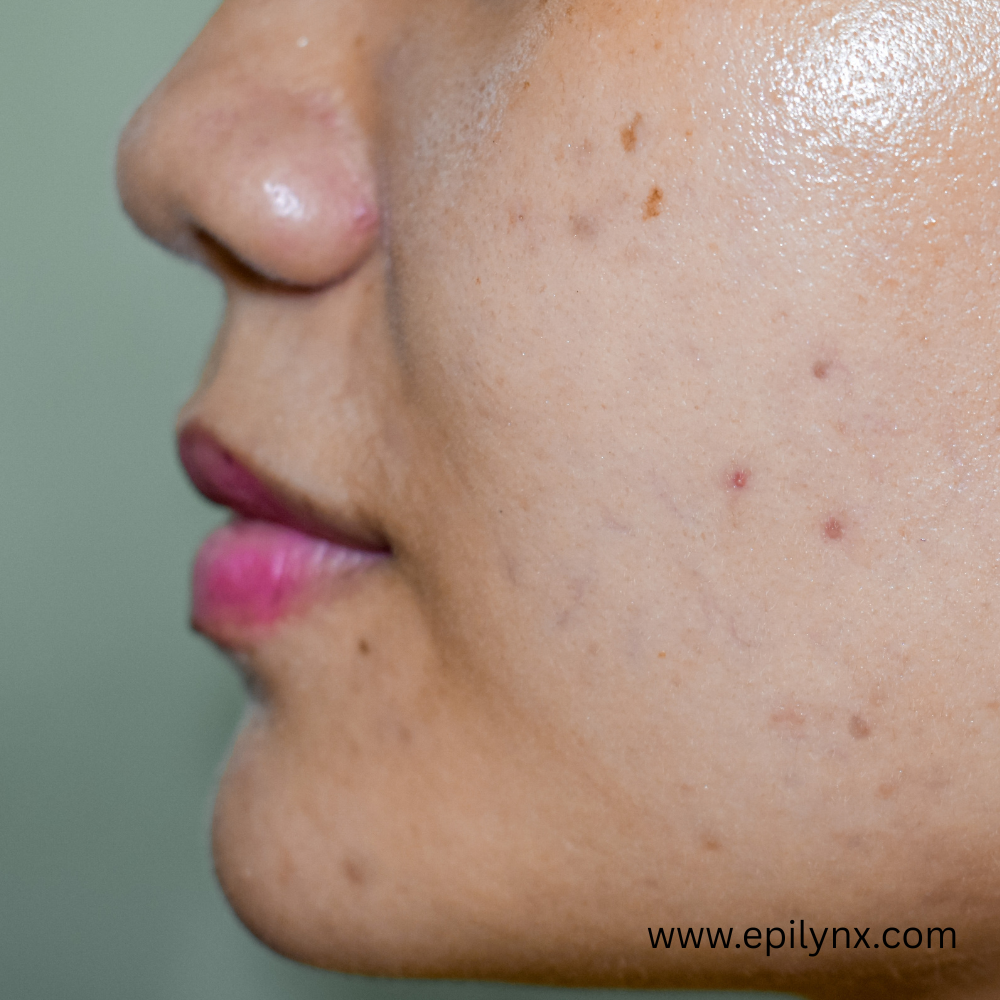
In healthy skin, this community is diverse and balanced. In eczema skin, it isn't. Research consistently shows that eczema is associated with a significant reduction in microbiome diversity — and a dramatic overgrowth of Staphylococcus aureus, a bacterium that erodes the skin barrier, triggers inflammatory cytokine release, and drives the itch-scratch-inflame cycle that characterizes atopic dermatitis.
For people with food allergies and celiac disease, the picture is compounded by the gut-skin axis: gut dysbiosis (disrupted gut microbiome) sends systemic inflammatory signals that disrupt the skin microbiome as well. The gut and skin microbiomes talk to each other — restore one, and you support the other.
Probiotics vs. Prebiotics vs. Postbiotics: What You're Actually Buying
The microbiome skincare space uses three terms that are often conflated but are functionally quite different:
Probiotics in Skincare — Live Bacteria Applied Topically
The concept is appealing: apply beneficial bacteria to your skin to rebalance its microbial community. The reality is more complex. Keeping live bacteria viable in a cosmetic formula (which typically requires preservatives that kill bacteria) is technically challenging. Most "probiotic" skincare products contain lysates (broken cell fragments of bacteria) rather than truly live cultures.
That said, bacterial lysates do have skin benefits: they can calm immune responses, strengthen barrier function, and reduce inflammatory cytokine production. Lactobacillus lysates in particular have been shown to reduce eczema severity scores in clinical studies.
Sensitive skin consideration: Some probiotic skincare products are fermented and may contain alcohol byproducts or allergen-derived ferments (soy, oat, wheat). Always check the full ingredient list.
Prebiotics in Skincare — Feeding Beneficial Bacteria
Prebiotics are ingredients that selectively feed beneficial bacteria already living on your skin, helping them outcompete pathogens. Common prebiotic ingredients include inulin, fructooligosaccharides (FOS), beta-glucan, and certain plant sugars.
Sensitive skin consideration: Beta-glucan derived from oats is extremely common in microbiome skincare — and a significant concern for people with celiac disease or oat sensitivity. Always verify the source. Beta-glucan from yeast (Saccharomyces cerevisiae) is a safe alternative.
Postbiotics — The Most Practical Option for Reactive Skin
Postbiotics are the metabolic by-products produced when probiotic bacteria break down nutrients: short-chain fatty acids, antimicrobial peptides, enzymes, and other bioactive compounds. They deliver microbiome-support benefits without the stability challenges of live bacteria or the allergen concerns of some prebiotic sources.
For sensitive, eczema-prone, and allergy-affected skin, postbiotics are the most practical microbiome skincare category — the benefits without the complexity. They calm inflammation, support barrier lipid production, and reduce pathogen overgrowth without requiring live cultures or allergen-derived ferments.
The Microbiome Skincare Ingredients to Avoid for Allergic & Celiac Skin
This is critical, because the microbiome trend has generated a wave of products that are marketed as "gentle" and "microbiome-friendly" but contain ingredients that are anything but for allergy-prone skin:
Oat-Derived Prebiotics
Oat beta-glucan and oat extract are wildly popular microbiome skincare ingredients — soothing, prebiotic, anti-inflammatory. But for celiac disease and oat-sensitive individuals, they're a hidden allergen exposure. Many "sensitive skin" and "microbiome" product lines use oat derivatives extensively.
Soy-Derived Ferments
Soy isoflavone ferments, soy peptide ferments — common in K-beauty microbiome lines. Problematic for soy allergy.
Wheat-Derived Fermented Extracts
Some fermented grain skincare products use fermented wheat for its bioactive peptide content. An obvious concern for celiac and wheat allergy.
Fragrance in "Calming" Microbiome Products
The irony: many microbiome products are marketed as calming and gentle, but contain lavender, chamomile, or other botanical fragrance compounds that are themselves significant allergens and microbiome disruptors. Fragrance compounds have been shown to alter the skin surface microbiome's composition — not support it.
💡 The EpiLynx Microbiome Philosophy:
We don't need to put "microbiome" on a label to support the skin microbiome. Our approach: (1) use pH-balanced, gentle formulas that don't disrupt the skin's acid mantle; (2) avoid harsh preservatives, fragrance, and allergens that kill beneficial bacteria; (3) repair the skin barrier with ceramides — because a healthy barrier and a healthy microbiome are inseparable. This is microbiome skincare without the marketing.
How to Actually Support Your Skin Microbiome If You Have Reactive Skin
The most evidence-backed steps for microbiome recovery in reactive skin have less to do with buying new products and more to do with stopping practices that destroy it:
Stop Over-Cleansing and Over-Exfoliating
The single biggest driver of skin microbiome disruption is stripping cleansers and over-exfoliation. Every time you cleanse aggressively, you remove not just sebum and surface cells but the microbial community living on your skin. It takes 24–72 hours for the skin microbiome to rebalance after a single over-cleansing event. Use a gentle, pH-balanced, SLS-free cleanser. Exfoliate at most once a week — and only with very mild acids (≤5%) or enzyme-based exfoliants for reactive skin.
Shop EpiLynx gentle, allergen-free cleansers →
Restore the Skin Barrier
The skin barrier and the skin microbiome are inseparable. A healthy barrier maintains the slightly acidic pH and lipid environment that allows beneficial bacteria to thrive. A damaged barrier — permeable, alkaline, lipid-depleted — is exactly the environment pathogenic bacteria like S. aureus prefer. Ceramide-based barrier repair is the most evidence-backed intervention for both barrier and microbiome recovery.
Shop allergen-free ceramide face creams →
Eliminate Fragrance and Harsh Preservatives
Both fragrance compounds and preservatives like methylisothiazolinone have documented antimicrobial activity — they kill bacteria, including the beneficial ones. Switching to fragrance-free, gentle-preservative formulas is microbiome skincare at its most fundamental level.
Use pH-Compatible Products
Your skin's optimal pH is approximately 4.5–5.5 — slightly acidic. Many cleansers, toners, and even moisturizers are significantly more alkaline than this, which disrupts the acid mantle and the microbiome community it supports. Check that your products are pH-compatible with skin's natural range.
Targeted Postbiotic Additions (If Tolerated)
If you want to actively add microbiome-supportive ingredients, look for postbiotic-containing serums or moisturizers that are allergen-free and fragrance-free. Lactobacillus ferment lysate is among the best-studied and most tolerated. Use patch-test methodology before incorporating into your full routine.
Take the EpiLynx Skin Quiz for your personalized allergen-free microbiome-friendly routine →
Frequently Asked Questions
What is the skin microbiome?
The skin microbiome is the community of trillions of microorganisms living on your skin that regulate immune function, produce antimicrobial compounds, support barrier integrity, and maintain healthy skin pH. A disrupted microbiome is associated with eczema, rosacea, acne, and psoriasis.
What is the difference between probiotics, prebiotics, and postbiotics in skincare?
Probiotics are live beneficial bacteria (or their lysates) applied topically. Prebiotics feed existing beneficial bacteria. Postbiotics are the bioactive by-products of probiotic bacteria — antimicrobial peptides, short-chain fatty acids, enzymes. For sensitive skin, postbiotics are most practical: benefits without allergen risks from live cultures or fermented grain sources.
Is microbiome skincare safe for celiac disease and food allergies?
It depends on the formula. Many microbiome products use oat-derived prebiotics, soy ferments, or wheat-derived extracts that are problematic for food-allergic or celiac skin. Look for products that are certified gluten-free and allergen-free. EpiLynx formulates barrier-supportive, microbiome-friendly skincare without these allergen sources.
How do I know if my skin microbiome is disrupted?
Signs include: persistent redness or inflammation, skin that reacts to previously-tolerated products, chronic eczema or rosacea, and skin that feels perpetually sensitized. These overlap with compromised barrier function — and the interventions that rebuild the barrier also support microbiome recovery. See EpiLynx's sensitive skin solutions →
Support Your Skin's Ecosystem — Without the Allergens
EpiLynx skincare is built on the foundation of microbiome-friendly formulation: pH-balanced, fragrance-free, allergen-free, and ceramide-rich. No trendy claims. Just the science that works.
Shop Sensitive Skin → Find My Routine →Use code EPILYNXGLOW35 for 35% off · Free shipping on orders $24+