By Dr. Liia, PharmD — Pharmacist & Founder, EpiLynx by Dr. Liia | May 6, 2026 | 6 min read
How to Fade Hyperpigmentation on Sensitive & Allergy-Prone Skin — Without Making It Worse
Dark spots, uneven tone, and post-inflammatory marks are among the top skincare concerns searched online — and they're especially common in people with eczema, food allergies, and celiac disease, where every flare leaves a mark. The frustrating part: the most aggressive brightening treatments are the ones most likely to trigger new inflammation on reactive skin. Here's how to get results without paying the price.
Why Sensitive & Allergy-Prone Skin Gets More Hyperpigmentation
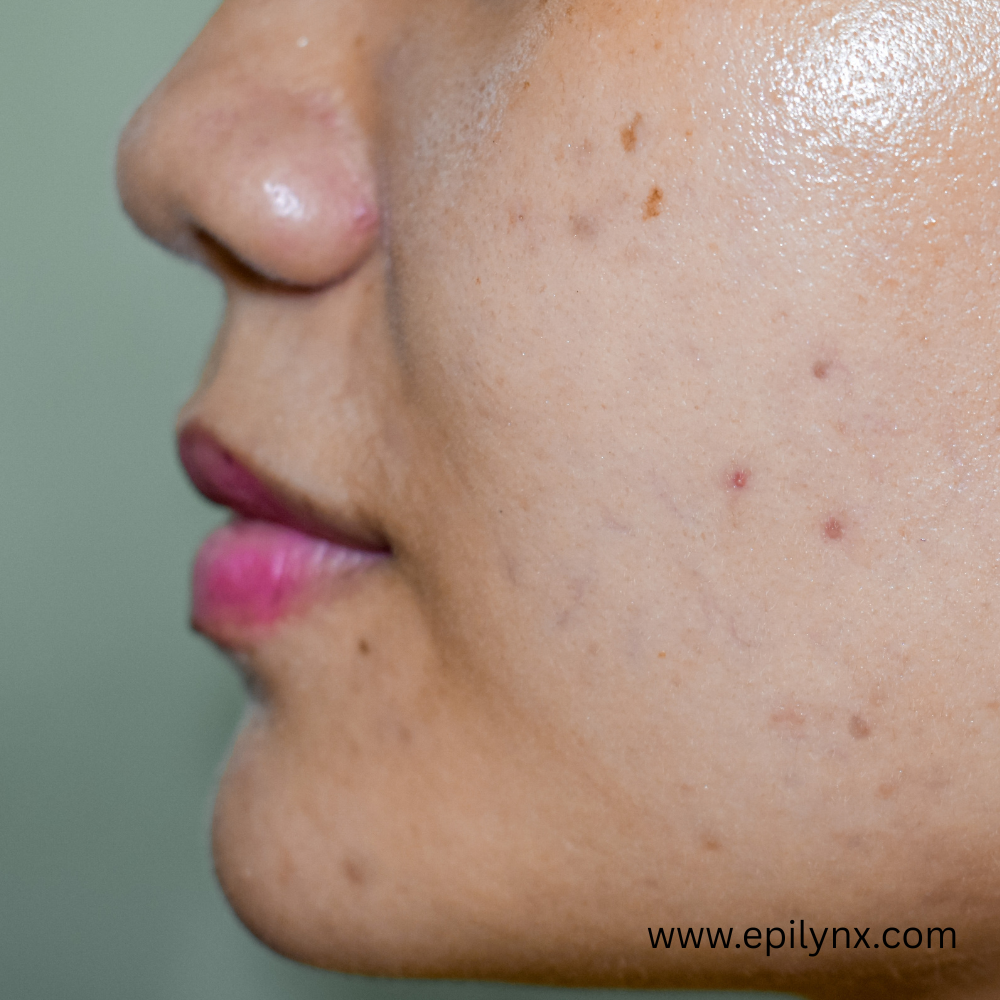
Hyperpigmentation — dark spots, uneven tone, patches of discoloration — is produced when melanocytes (pigment-producing cells in the skin) overreact to inflammation by producing excess melanin. It's the skin's attempt at "armor" — increasing pigment density in areas where it perceives repeated damage.
For people with eczema, food allergies, and celiac disease, this mechanism fires constantly:
- Every eczema flare leaves post-inflammatory hyperpigmentation (PIH) — dark marks in exactly the spots where the rash appeared
- Every allergic skin reaction — contact dermatitis from an allergen in a skincare product — triggers the same PIH cycle
- Systemic inflammation from untreated or undertreated celiac disease keeps melanin production elevated baseline
- UV sensitivity — compromised skin barriers and celiac-driven antioxidant depletion mean UV rays cause faster and deeper pigmentation damage
- Scratching eczema-affected areas (especially at night) causes physical trauma that also triggers PIH
People with medium to dark skin tones are particularly vulnerable to PIH — their melanocytes are more active and responsive to inflammatory triggers, meaning every flare leaves a more visible and longer-lasting mark.
The good news: post-inflammatory hyperpigmentation is one of the more treatable forms of skin discoloration — but only if you choose ingredients that brighten without triggering new inflammation. For reactive skin, the approach has to be gentler, steadier, and allergen-free.
The Brightening Ingredients That Actually Work on Sensitive Skin
1. Niacinamide (4–10%) — The MVP for Reactive Skin Brightening
Niacinamide is the single best brightening ingredient for sensitive, eczema, and allergy-prone skin. Here's why it's uniquely powerful:
- Inhibits melanin transfer — niacinamide doesn't stop melanin from being produced; it blocks the transfer of melanin from melanocytes to surrounding skin cells, preventing new dark spots from forming and fading existing ones over time
- Anti-inflammatory — simultaneously reduces the redness and inflammation that creates PIH in the first place
- Barrier-strengthening — reduces the skin's reactivity to triggers that cause flares (and therefore new dark marks)
- Zero irritation risk at 4–10% — suitable for all skin types including the most reactive
Niacinamide is not a fast treatment — expect 8–12 weeks of consistent daily use for visible results. But unlike aggressive options, it works without setting your skin back.
Shop EpiLynx allergen-free brightening serums →
2. Vitamin C (Stable Derivatives) — Antioxidant Brightening
Vitamin C inhibits tyrosinase — the enzyme responsible for melanin synthesis — while simultaneously providing antioxidant protection against the UV damage that drives ongoing pigmentation. For sensitive skin, use the stable, non-irritating forms (ascorbyl glucoside, sodium ascorbyl phosphate, magnesium ascorbyl phosphate) rather than high-concentration L-ascorbic acid. Apply in the morning before SPF for maximum anti-pigmentation effect.
3. Alpha Arbutin — Gentle Tyrosinase Inhibition
Alpha arbutin is a naturally derived compound that inhibits tyrosinase activity — the same mechanism as Vitamin C and hydroquinone, but significantly gentler. It's well-tolerated by most sensitive skin types and is particularly effective when combined with niacinamide. Works gradually but without the irritation or skin-thinning concerns of stronger treatments.
4. Azelaic Acid (10–15%) — Anti-Inflammatory Brightener
Azelaic acid is exceptional for sensitive skin hyperpigmentation specifically because it addresses both the pigmentation and the underlying inflammation simultaneously. It selectively inhibits melanin production in overactive melanocytes (sparing normally pigmented skin), making it ideal for post-inflammatory dark marks. FDA-approved for rosacea; also highly effective for melasma and PIH. Available OTC at 10% and prescription at 15–20%.
5. Tranexamic Acid — The Newer, Gentler Option
Tranexamic acid has become one of the most recommended brightening ingredients for sensitive skin in recent years. It works by interrupting the UV-triggered communication between keratinocytes and melanocytes that drives pigmentation — and it does so with minimal irritation risk. Particularly effective for melasma. Often combined with niacinamide for a synergistic effect.
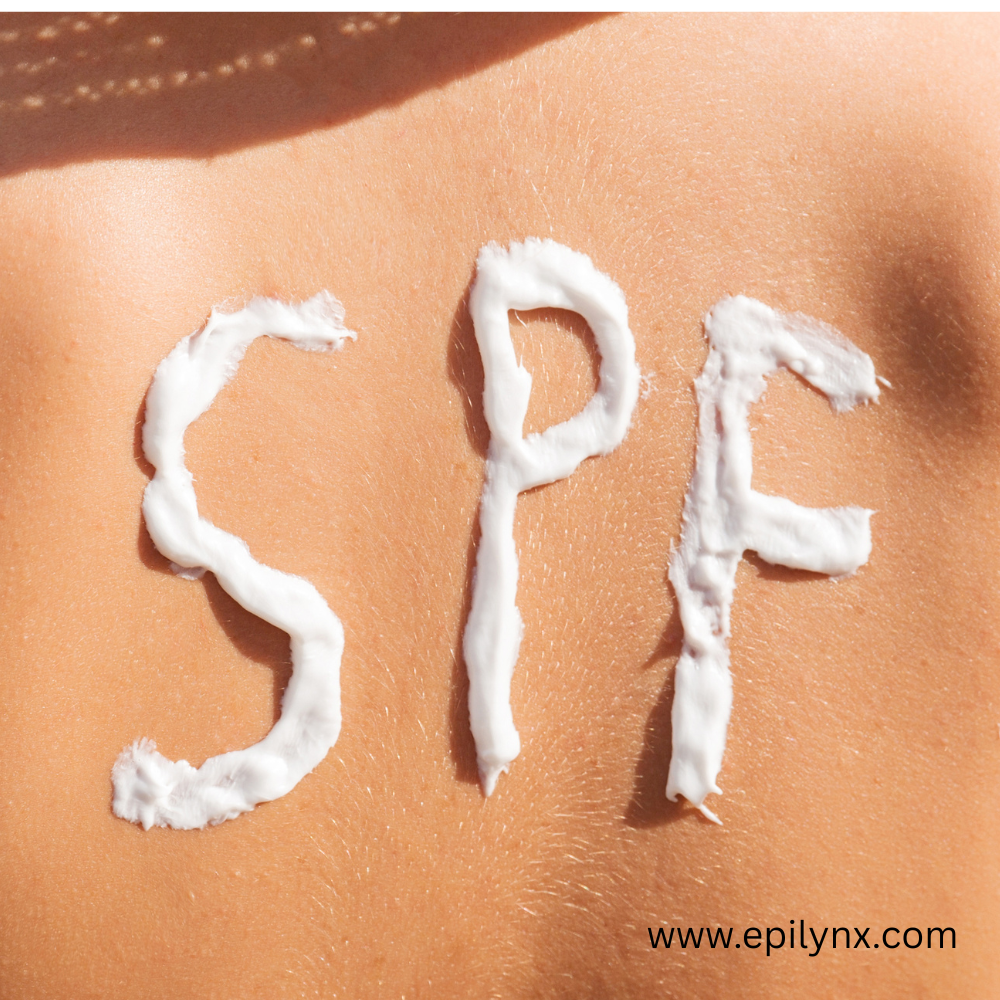
6. SPF — The Most Important Brightening Step
This is not a joke: daily SPF is the most powerful hyperpigmentation intervention available. UV radiation directly stimulates melanin production — meaning every minute of unprotected sun exposure is undoing your brightening work. If you're using a Vitamin C serum, niacinamide, and alpha arbutin but skipping SPF, you are running uphill in both directions.
For sensitive skin: mineral SPF (zinc oxide-based), fragrance-free, allergen-free. Apply last in your routine, every morning, year-round. Shop EpiLynx allergen-free SPF →
What to Avoid: Brightening Treatments That Backfire on Reactive Skin
High-Strength AHAs Without Gradual Introduction
Glycolic acid, lactic acid, and mandelic acid can brighten and resurface — but at high concentrations on compromised skin, they trigger irritant reactions that themselves cause new post-inflammatory hyperpigmentation. If you want to use AHAs, start at 5% maximum and increase slowly. PHAs (polyhydroxy acids) are a gentler, equally effective alternative for reactive skin.
Hydroquinone
Hydroquinone is one of the most effective depigmenting agents but also one of the most concerning for reactive skin: it can cause ochronosis (paradoxical darkening) with prolonged use, is irritating at higher concentrations, and is banned or restricted in several countries. For sensitive skin, the niacinamide + Vitamin C + alpha arbutin combination achieves comparable brightening with none of these risks.
High-Concentration Retinol
Retinol does accelerate cell turnover and can fade dark spots — but on reactive, eczema-prone, or allergy-affected skin, the peeling and irritation phase creates new PIH in exactly the spots you're trying to treat. Use bakuchiol instead, or introduce very low-concentration retinoids (0.025–0.05%) only after barrier repair is established.
Citrus-Based "Brightening" Products
Lemon juice, orange extract, grapefruit oil — these are popular DIY and "natural" brightening remedies, but citrus contains both phototoxic compounds (furanocoumarins) and high fragrance allergen loads. Applying citrus to the skin and then going in the sun can cause burns and severe hyperpigmentation. Avoid entirely.
The EpiLynx Anti-Hyperpigmentation Routine for Sensitive Skin
Morning
- Gentle cleanser — allergen-free, fragrance-free
- Vitamin C serum — stable derivative, gluten-free; applied to damp skin before moisturizer
- Niacinamide moisturizer — barrier-repair + brightening in one step
- Mineral SPF 50+ — allergen-free, zinc oxide-based; the most important step for preventing new pigmentation
Evening
- Double cleanse if wearing SPF or makeup
- Alpha arbutin or tranexamic acid serum — your targeted depigmentation treatment; apply before moisturizer
- Ceramide night moisturizer — barrier repair; a strong barrier means fewer flares, fewer dark marks
- Eye cream — allergen-free eye cream; dark circles and periorbital pigmentation are common in allergy-affected skin
⏱️ Realistic Timeline for Hyperpigmentation Fading:
- Weeks 1–4: Skin calms, barrier repairs, redness reduces — the foundation for brightening
- Weeks 4–8: Niacinamide and Vitamin C begin visibly evening tone; new dark marks less pronounced
- Weeks 8–16: Established dark spots visibly lighter; overall complexion more luminous
- Ongoing: SPF daily prevents regression; brightening actives maintain results
Frequently Asked Questions
What causes hyperpigmentation in people with eczema or food allergies?
Post-inflammatory hyperpigmentation (PIH) is the most common cause — every eczema flare, allergic reaction, or skin inflammation leaves dark marks as melanin is overproduced during healing. Systemic inflammation from celiac disease also elevates baseline melanin production, and compromised skin is more UV-sensitive, accelerating pigmentation.
What is the best ingredient for fading dark spots on sensitive skin?
Niacinamide at 4–10% is the gold standard — it inhibits melanin transfer, reduces inflammation, and strengthens the barrier without irritation. Combined with stable Vitamin C and daily mineral SPF, this trio delivers visible brightening results for reactive skin.
Can SPF help fade hyperpigmentation?
SPF is the most important step in any hyperpigmentation routine. UV exposure directly stimulates melanin production and reverses all brightening progress. Without daily SPF, dark spots will darken faster than any treatment can fade them.
Does celiac disease cause hyperpigmentation?
Yes — through systemic inflammation, post-inflammatory marks from skin flares, nutrient deficiencies, and increased UV sensitivity. Managing celiac with a strict gluten-free diet, allergen-free skincare, and daily SPF is the comprehensive approach. See EpiLynx's hyperpigmentation collection →
Even Tone. Calm Skin. No Compromises.
EpiLynx brightening products are pharmacist-formulated — gluten-free, allergen-free, and built for the skin types that conventional brightening treatments always let down.
Shop Hyperpigmentation → Shop Brightening Serums →Use code EPILYNXGLOW35 for 35% off · Free shipping on orders $24+