
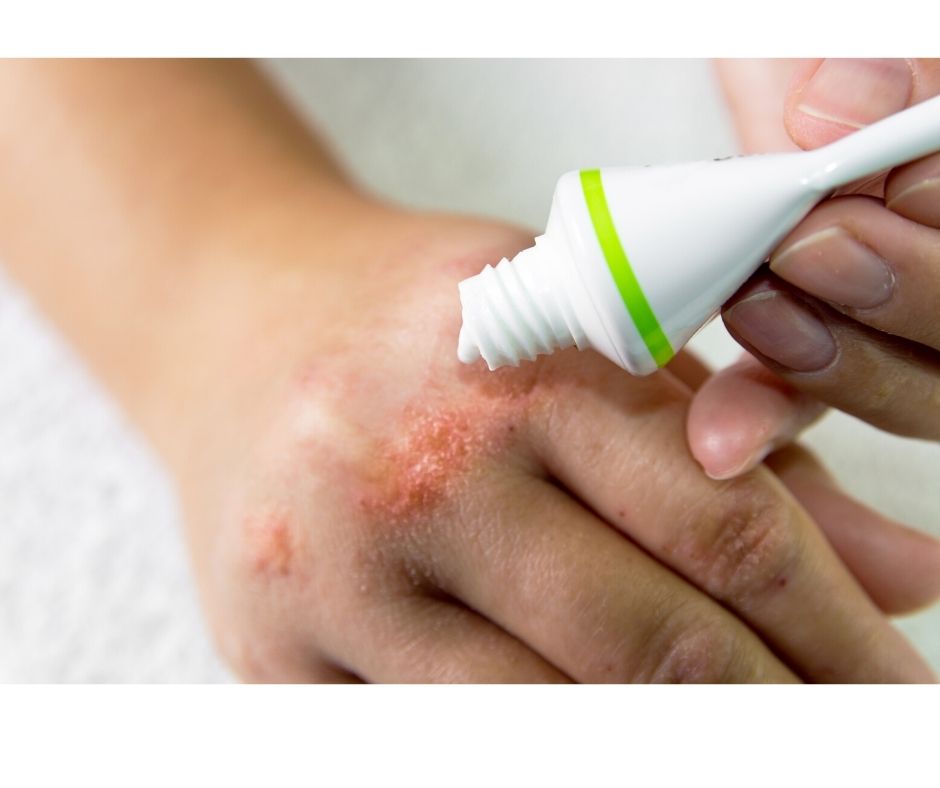
Eczema: The Condition, The Community, and You Are Not Alone
Your skin is red, itchy, and inflamed; again. You've switched your detergent, avoided your favourite foods, tried different moisturizers, and still the flare refuses to quit. If this sounds familiar, you are not imagining it, and you are absolutely not alone.
Eczema affects over 31 million people in the United States alone, and hundreds of millions more worldwide battle their skin daily. Yet despite being so common, it remains widely misunderstood, even by those living with it.
What Is Eczema?
Eczema is a chronic (long-term, recurring) inflammatory skin condition causing red, dry, intensely itchy, and sometimes cracked patches on the skin. The most common type is atopic dermatitis (AD) : "atopic" refers to a genetic tendency toward allergic conditions, and "dermatitis" means skin inflammation.
Two biological problems drive eczema simultaneously: a dysfunctional skin barrier (like a protective wall with cracks, allergens and irritants slip through easily) and an overactive immune response (the body treats harmless substances as threats, creating inflammation). This combination makes eczema persistent and difficult to simply treat away. It appears differently on everyone and cycles between calm periods and unpredictable flares.
Common Eczema Triggers
Triggers vary enormously between individuals. Common culprits include:
• Skincare products with fragrance, parabens, or harsh cleansing agents. Switching to a gentle, fragrance-free cleanser for sensitive skin is one of the most impactful first steps.
• Stress, cortisol (the body's primary stress hormone) directly worsens skin inflammation.
• Heat and sweat, which disrupt the skin's natural acid mantle (the slightly acidic surface layer protecting the barrier).
• Certain foods, especially gluten and dairy for people with food sensitivities or celiac disease.
• Environmental allergens, dust mites, pollen, mold, and pet dander.
Keeping a trigger journal, noting food, products, stress levels, and weather, is one of the most recommended tools by dermatologists to identify your personal flare pattern.
Why Ceramides Matter for Eczema Skin
One of the most important discoveries in eczema research is the role of ceramides (lipids: natural fats, that form the "mortar" holding the skin barrier together). People with eczema have measurably fewer ceramides than those without, and the ones they have are often structurally abnormal.
This is why moisturizing is a clinical necessity, not just comfort. Understanding ceramide deficiency in eczema explains why not all moisturizers deliver the same results. For full-body care, the best body lotion for eczema-prone skin should be ceramide-rich, fragrance-free, and applied within 3 minutes of bathing, a clinically validated technique known as the "soak and seal" method.
Building Your Eczema-Safe Skincare Routine
An effective daily eczema routine should include a gentle, SLS-free (Sodium Lauryl Sulfate : a harsh foaming agent) cleanser, a ceramide-based moisturizer applied immediately after cleansing, and fragrance-free, gluten-free products throughout.
Explore the full EpiLynx Eczema & Dry Skin Collection, formulated by Dr. Liia, a PharmD (Doctor of Pharmacy) and cancer researcher, specifically for reactive and allergy-prone skin. Not sure where to start? Take the EpiLynx Skin Quiz to get a routine tailored to your exact skin concerns.
Frequently Asked Questions
Q1. Is eczema contagious?
A: No. Eczema is an internal immune and barrier condition, it cannot be passed from person to person under any circumstances.
Q2. Can eczema be permanently cured?
A: There is no permanent cure currently. However, with triggers identified and a consistent routine, many people achieve long periods of remission (little or no active symptoms). Many children also outgrow it with age.
Q3. Are topical steroids safe for eczema?
A: Topical corticosteroids (steroid creams applied to the skin to reduce inflammation) are safe when used as directed by a doctor. Prolonged unsupervised use can cause skin thinning, always follow your dermatologist's guidance.
Q4. Why does eczema worsen in winter?
A: Cold, dry air and indoor heating reduce humidity, increasing TEWL (Trans-Epidermal Water Loss, evaporation of moisture through the skin). This stresses the already-compromised barrier, leading to more frequent flares.
Q5. Can diet affect eczema?
A: Yes, for some people. Common triggers include dairy, eggs, gluten, soy, and tree nuts. Always work with an allergist or dietitian before making major dietary eliminations to avoid nutritional deficiencies.
You Are Part of a Much Bigger Community
Eczema can feel isolating, especially during a visible flare when you're exhausted from sleepless nights and tired of explaining your skin to others. But millions of people worldwide know exactly what you're going through.
You are not too sensitive. You are not overreacting. You are managing a real, complex medical condition, and you deserve skincare that works with your skin.
At EpiLynx by Dr. Liia, every product is formulated with one purpose: to give sensitive, eczema-prone skin the clean, pharmacist-grade care it deserves.