By Dr. Liia, PharmD — Pharmacist & Founder, EpiLynx by Dr. Liia | May 6, 2026 | 6 min read
Adult Acne & Food Allergies: The Connection Nobody Explains
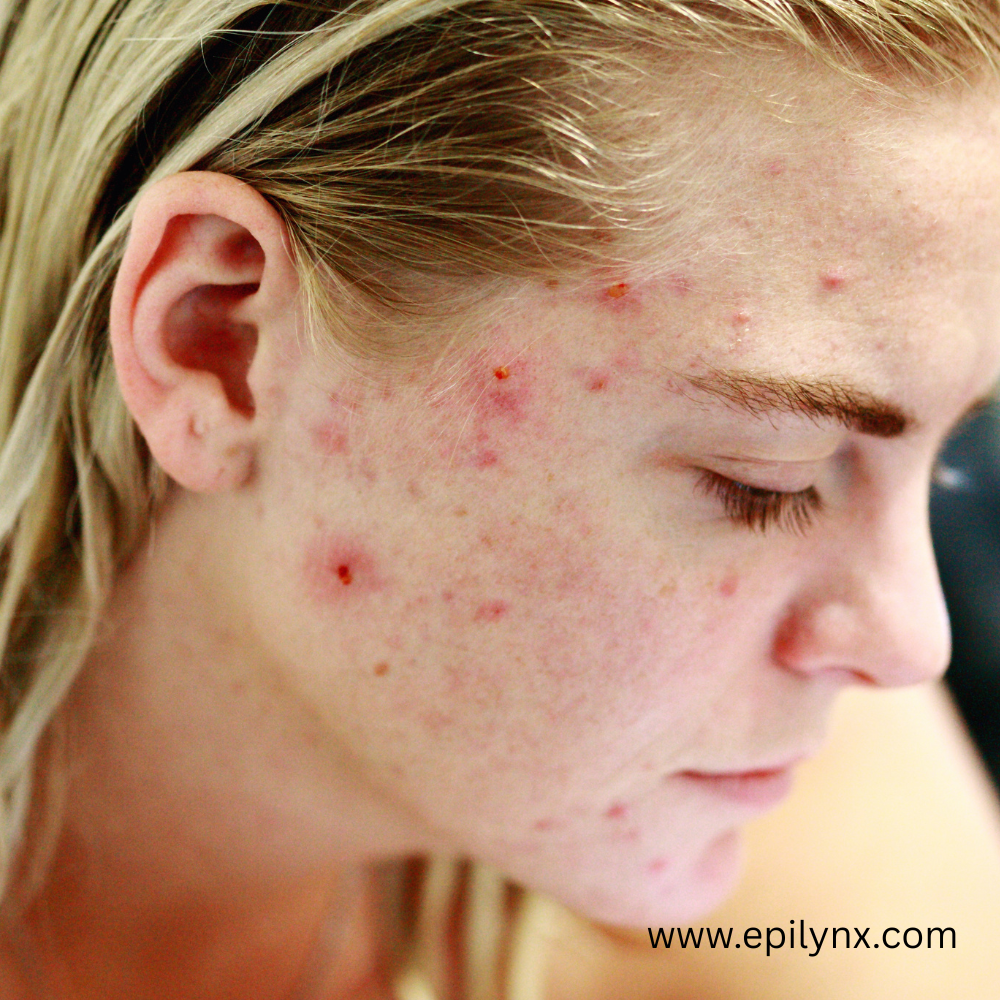
You're well past your teens. You eat well. You use the skincare the internet recommends. And you still break out — persistently, inexplicably, in clusters that don't respond to anything you've tried. If you also have food allergies or celiac disease, there's a very specific physiological reason for this. And it's the one most dermatologists don't have time to explain in a 15-minute appointment.
Why Adult Acne Is Different From Teenage Acne
Teenage acne is primarily hormonal and sebum-driven: puberty floods the body with androgens that stimulate oil glands into overdrive, clogging pores with excess sebum that becomes infected with C. acnes bacteria.
Adult acne — particularly the kind that develops or persists after 25 — is more complex. It often involves:
- Chronic low-grade inflammation as a primary driver rather than just clogged pores
- Gut dysbiosis that disrupts the gut-skin axis and elevates systemic inflammatory cytokines
- Food sensitivity-driven immune activation that manifests on the skin
- Contact allergen reactions from skincare ingredients that look like acne but are actually allergen-induced breakouts
- Hormonal fluctuations still play a role — but often amplified by systemic inflammation
This is why adult acne frequently doesn't respond to teen-acne treatments (benzoyl peroxide, harsh salicylic acid cleansers) — those are designed for the sebum-overproduction problem, not the systemic inflammation problem. And for people with food allergies, celiac disease, or reactive immune systems, applying harsh, allergen-containing acne products actively makes the underlying inflammation worse.
The Food Allergy–Acne Connection: What the Science Says
IgE-Mediated Food Allergy and Skin Inflammation
When someone with a food allergy encounters their trigger food, the resulting IgE-mediated immune response elevates systemic inflammatory cytokines — including IL-4, IL-13, and TNF-α. These same cytokines are elevated in acne lesions and drive the inflammatory component of acne. Food allergy reactions don't cause acne directly, but they raise the systemic inflammatory baseline that makes acne worse, more persistent, and more resistant to topical treatments.
Non-IgE Food Sensitivity and Delayed Inflammatory Acne
This is the most underrecognized mechanism. Non-IgE-mediated food sensitivities (which don't show up on standard IgE allergy tests) can cause delayed inflammatory responses — manifesting hours to days after exposure. For acne, this means someone might eat a trigger food on Monday and notice a new breakout cluster by Wednesday or Thursday, with no obvious connection.
Common non-IgE food sensitivities associated with adult acne include dairy (through IGF-1 and androgen-stimulating pathways), high-glycemic foods (elevate insulin and androgen levels), and food sensitivities that aren't captured by standard allergy testing.
Celiac Disease, Gut Permeability, and Acne
Celiac disease creates a perfect storm for adult acne through multiple simultaneous pathways:
- Zinc depletion: Celiac disease impairs zinc absorption. Zinc is critical for sebum regulation, skin healing, and has natural anti-bacterial activity against C. acnes. Low zinc = more acne, slower healing, more scarring.
- Increased gut permeability: Bacterial fragments (LPS) and partially digested food antigens leaking through a damaged intestinal wall trigger systemic inflammatory responses that worsen skin inflammation.
- Gut microbiome dysbiosis: Celiac-driven gut dysbiosis has documented connections to skin microbiome disruption — the same bacteria imbalance that drives gut symptoms can shift the skin microbiome toward acne-promoting bacterial profiles.
- Chronic systemic inflammation: The background inflammatory state of uncontrolled or under-treated celiac disease keeps every inflammatory condition — including acne — perpetually elevated.
The Skincare Allergen Acne Loop (And Why Your Products Might Be Causing Your Breakouts)
Here's a pattern I see constantly in reactive skin populations: someone with food allergies develops acne, buys acne skincare products, and the breakouts worsen. The reason is almost always the same — the acne products contain contact allergens that trigger inflammatory reactions that look exactly like acne:
Fragrance in Acne Cleansers and Toners
Fragranced acne products trigger contact allergic reactions around the jaw and cheeks — areas that coincide exactly with the hormonal acne pattern, making misdiagnosis extremely common. The "breakouts" from fragrance contact allergy are actually follicular inflammatory reactions — not sebum-driven acne at all — but they look identical.
Benzoyl Peroxide Overuse on Reactive Skin
Benzoyl peroxide is effective at killing C. acnes bacteria, but it is one of the more irritating topical acne ingredients — causing dryness, peeling, and barrier disruption that can paradoxically worsen inflammatory acne in sensitive skin by triggering a reactive oil-production response. For allergy-prone skin, it's a blunt instrument where niacinamide and azelaic acid do the job more precisely.
Comedogenic Oils in "Natural" Acne Products
The natural beauty movement has popularized plant oils for acne-prone skin — but many are comedogenic (pore-clogging). Coconut oil (highly comedogenic), flaxseed oil, and some botanical blends can worsen acne on sensitive skin despite their "natural" positioning. Jojoba and squalane are generally the safest oil options for acne-prone reactive skin.
The Allergen-Free Acne Routine for Sensitive, Food-Allergic, and Celiac Skin
The approach for this population is fundamentally different from conventional acne treatment: reduce inflammation first, then address bacterial component, never compromise the barrier.
Step 1: Gentle, Fragrance-Free, SLS-Free Cleanser
Most acne cleansers are too stripping for reactive skin — they remove oil aggressively, which triggers rebound oil production and barrier disruption. Use a gentle, pH-balanced, allergen-free cleanser twice daily. No scrubbing. Lukewarm water only.
Shop EpiLynx allergen-free cleansers →
Step 2: Niacinamide Serum (10%)
Niacinamide is the single best OTC ingredient for adult acne on sensitive skin. It regulates sebum production (reduces the oil that feeds acne), reduces the inflammatory response in existing lesions, prevents post-inflammatory hyperpigmentation from leaving dark marks, and simultaneously strengthens the barrier. Completely non-irritating. Use AM and/or PM.
Shop EpiLynx niacinamide serums →
Step 3: Lightweight, Non-Comedogenic Ceramide Moisturizer
People with acne often skip moisturizer out of fear of worsening breakouts. This is a mistake: an under-moisturized, barrier-compromised skin is more inflamed, more reactive, and more acne-prone — not less. A lightweight, non-comedogenic, fragrance-free ceramide moisturizer restores the barrier environment that keeps acne in check.
Shop allergen-free lightweight face creams →
Step 4: Mineral SPF (Daily — Non-Negotiable)
UV exposure worsens post-acne hyperpigmentation dramatically. Every inflammatory acne lesion has the potential to leave a dark mark — UV turns those potential marks into permanent ones. Zinc oxide in mineral sunscreens also has natural anti-bacterial and anti-inflammatory activity — it actively supports the acne-clearing process while protecting from UV.
Shop allergen-free mineral SPF →
Weekly Addition: Low-Concentration PHA Exfoliant
For acne-prone skin with a reactive barrier, PHA (polyhydroxy acid) exfoliation once weekly helps clear dead cell buildup from pore openings without the barrier disruption risk of glycolic or salicylic acid. Gluconolactone and lactobionic acid are the most common PHAs — well-tolerated by even eczema-prone skin.
💡 Dr. Liia's Key Insight for Food-Allergic Acne:
Work with your allergist to identify and manage your food allergen triggers — this addresses the internal inflammatory driver. Then use allergen-free, fragrance-free, non-comedogenic skincare to remove the external allergen load that compounds it. The combination is far more effective than topical acne treatment alone. See our Acne Collection →
Frequently Asked Questions
Can food allergies cause adult acne?
Yes — through IgE-mediated systemic inflammation, non-IgE delayed food sensitivities, gut dysbiosis, and the gut-skin axis. Food allergy reactions elevate the same inflammatory cytokines that drive acne lesions. Additionally, allergens in skincare products marketed for acne can trigger contact inflammatory reactions that look identical to acne.
Can celiac disease cause acne?
Yes — through intestinal permeability allowing inflammatory molecules into circulation, zinc malabsorption (zinc is critical for sebum regulation), gut dysbiosis affecting the skin microbiome, and chronic systemic inflammation. Some people see acne improvement with strict gluten-free diet management.
What acne treatments are safe for allergy-prone and sensitive skin?
Safest options: niacinamide, azelaic acid, zinc-based formulas, low-concentration PHA exfoliants, and mineral SPF. Avoid: benzoyl peroxide on compromised barriers, high-concentration retinoids without barrier preparation, fragrance, and ingredients derived from your specific food allergens. Shop EpiLynx acne collection →
Why does my acne get worse when I try new skincare products?
This is contact/cosmetic acne — allergens in products (fragrance, silicones, comedogenic oils) clog pores or trigger inflammatory reactions that look like breakouts. The fix: switch to fragrance-free, allergen-free, non-comedogenic formulas and introduce new products one at a time.
Clear Skin Without the Allergen Compromise
EpiLynx acne care is pharmacist-formulated — allergen-free, gluten-free, non-comedogenic, and fragrance-free. For the acne that conventional products keep making worse.
Shop Acne Collection → Find My Routine →Use code EPILYNXGLOW35 for 35% off · Free shipping on orders $24+