Why “Clean Beauty” Still Makes People Break Out (Dermatology Explains)
Intro: When “Clean” Isn’t Comfortable
You switched to clean beauty.
You read labels.
You avoided parabens.
You chose “natural.”
And your skin… got worse.
If this sounds familiar, you’re not alone.
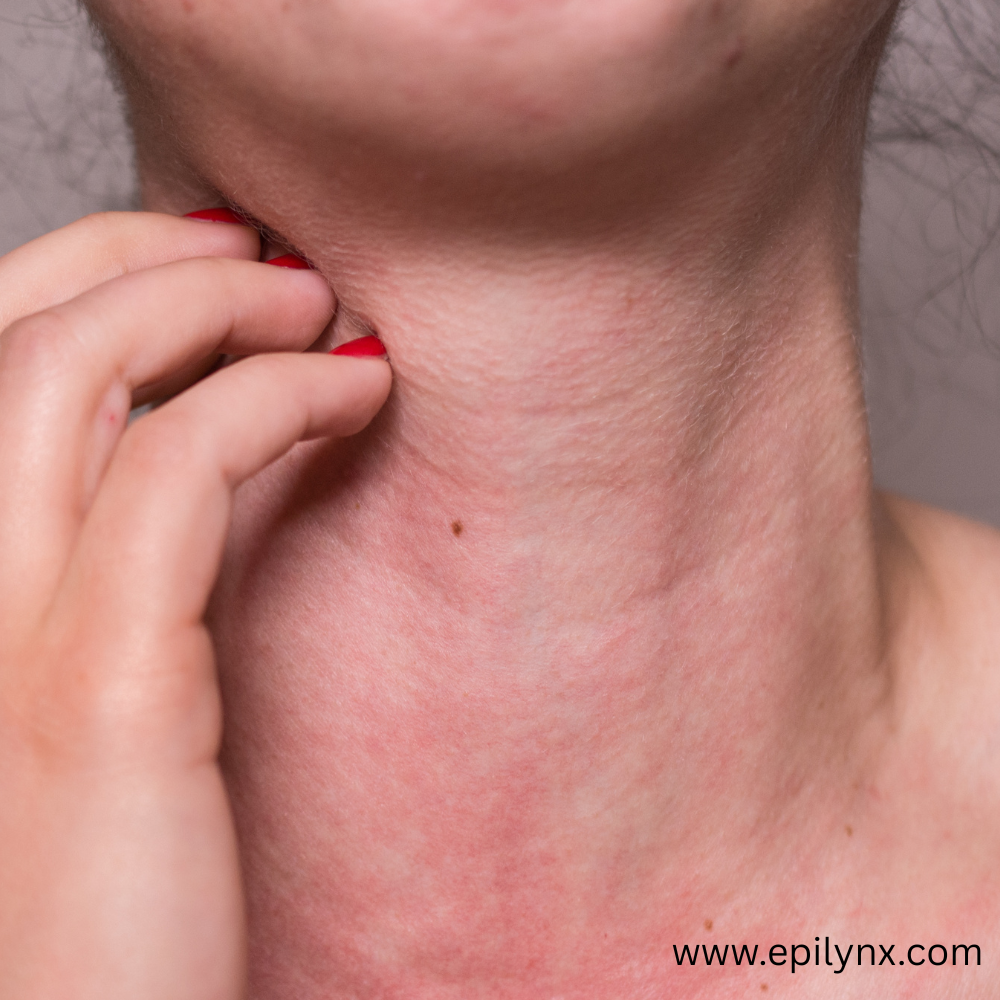
Dermatologists see this every day — patients confused and frustrated because “clean” products still cause burning, breakouts, redness, and rashes.
Here’s the uncomfortable truth:
Clean beauty isn’t designed for sensitive skin.
The Problem With the Word “Clean”
“Clean” has no medical definition.
No regulatory standard.
No universal meaning.
A product can be labeled clean and still contain:
-
essential oils
-
fragrance compounds
-
nut oils
-
citrus extracts
-
botanical allergens
Clean ≠ non-reactive.
Natural Ingredients Are Biologically Active
Plants evolved to protect themselves.
That means many natural ingredients are:
-
irritating
-
sensitizing
-
allergenic
Some of the most common cosmetic allergens are natural:
-
lavender oil
-
citrus oils
-
peppermint
-
tea tree
-
ylang-ylang
-
eucalyptus
Poison ivy is natural too.
Why Sensitive Skin Suffers the Most
Sensitive skin often has:
-
barrier disruption
-
increased nerve sensitivity
-
immune hyper-reactivity
Add “active” botanicals and you get:
-
stinging
-
redness
-
inflammation
-
delayed reactions
Many people think they’re “purging.”
They’re actually reacting.
Clean Beauty vs Medically-Informed Beauty
Clean beauty focuses on what to remove.
Medically-clean beauty focuses on what not to trigger.
That includes:
-
allergens
-
immune activators
-
sensitizers
-
unnecessary botanicals
The difference is intention — and science.
What Actually Helps Sensitive Skin
Sensitive skin thrives on:
-
short ingredient lists
-
fragrance-free formulas
-
nut-free compositions
-
barrier-supportive ingredients
-
consistency, not experimentation
Your skin wants calm.
Not trends.
Final Thought
If a product smells amazing but your skin burns — listen to your skin.
Clean doesn’t mean compatible.
Natural doesn’t mean safe.
And irritation is never a sign that something is “working.”
🌿 EpiLynx Note
EpiLynx products are gluten-free, nut-free, allergen-safe, vegan, and designed with medical insight — not marketing buzzwords.