
Over-Exfoliated and Reactive: How to Rebuild Damaged Skin When You Have Food Allergies
The 2026 Over-Exfoliation Crisis
The dermatology community has named over-exfoliation as one of the leading causes of skin damage seen in clinical practice in 2025–2026. Driven by acid toner culture on social media, the TikTok glorification of "tingling" as proof that a product is "working," and a proliferation of exfoliating content that omitted adequate frequency warnings, millions of consumers have spent years applying AHAs, BHAs, PHAs, retinoids, and physical scrubs simultaneously and daily — producing barrier disruption at scale.
The consequences: chronic TEWL elevation, persistent erythema, increased sensitivity to previously-tolerated ingredients, new contact sensitizations developing on compromised skin, and inflammatory acne worsening as the stripped barrier allows external pathogens unrestricted access to follicles.
Why Food Allergy Patients Are the Most Damaged
Allergy-prone patients who followed over-exfoliation trends started from a position of already-compromised barrier — with lower ceramide content, elevated TEWL, and heightened sensitization susceptibility compared to the general population. Over-exfoliation on this starting point produced more severe damage faster than in non-allergic skin, and produced a specific pattern of new contact sensitizations that may now complicate recovery.
The most common new sensitizations acquired during over-exfoliation periods in food allergy patients:
- CAPB (cocamidopropyl betaine) sensitization: Daily exfoliating cleansers with CAPB applied to a chronically compromised barrier create the ideal conditions for Type IV sensitization — repeated hapten (DMAPA/amidoamine impurity) contact with inflamed, permeable skin. Many patients who began exfoliating to address acne and sensitivity now have CAPB contact allergy on top of their original food allergy.
- Fragrance sensitization: The majority of exfoliating products contain fragrance compounds. Repeated application of fragrance to inflamed, acid-treated, barrier-disrupted skin is the textbook mechanism for fragrance contact dermatitis induction.
- Walnut shell or coconut shell micro-lacerations + allergen penetration: Patients who used abrasive scrubs on inflamed skin introduced tree nut and coconut allergens through freshly created micro-lacerations — potentially driving new IgE sensitization to these ingredients.
The Over-Exfoliation Recovery Protocol for Food Allergy Patients
Recovery from over-exfoliation has a standard dermatological protocol, which must be modified for allergy patients:
Phase 1: Complete exfoliation cessation (2–4 weeks)
Stop all exfoliating acids (glycolic, lactic, mandelic, salicylic), all physical scrubs, all retinoids, and all exfoliating toners. This is non-negotiable. The barrier cannot repair when the source of disruption continues.
The allergen trap in Phase 1: Most "sensitive skin recovery" and "barrier repair" products recommended by dermatologists and beauty editors contain oat-derived colloidal oatmeal, shea butter, almond oil, or CAPB — all allergens for the food allergy patient. The products specifically designed for compromised-barrier recovery are disproportionately allergen-dense.
What to use in Phase 1 for food allergy patients:
- Allergen-free, CAPB-free, fragrance-free gentle cleanser — twice daily, lukewarm water only (hot water increases TEWL)
- Allergen-free hyaluronic acid serum (or HA-containing vitamin C serum at low concentration) for humectant hydration without acids
- Allergen-free, squalane-based moisturizer — occlusive without nut oils or coconut
- Nothing else. Phase 1 is about removing, not adding.
Phase 2: Gradual reintroduction of gentle exfoliation (weeks 4–8)
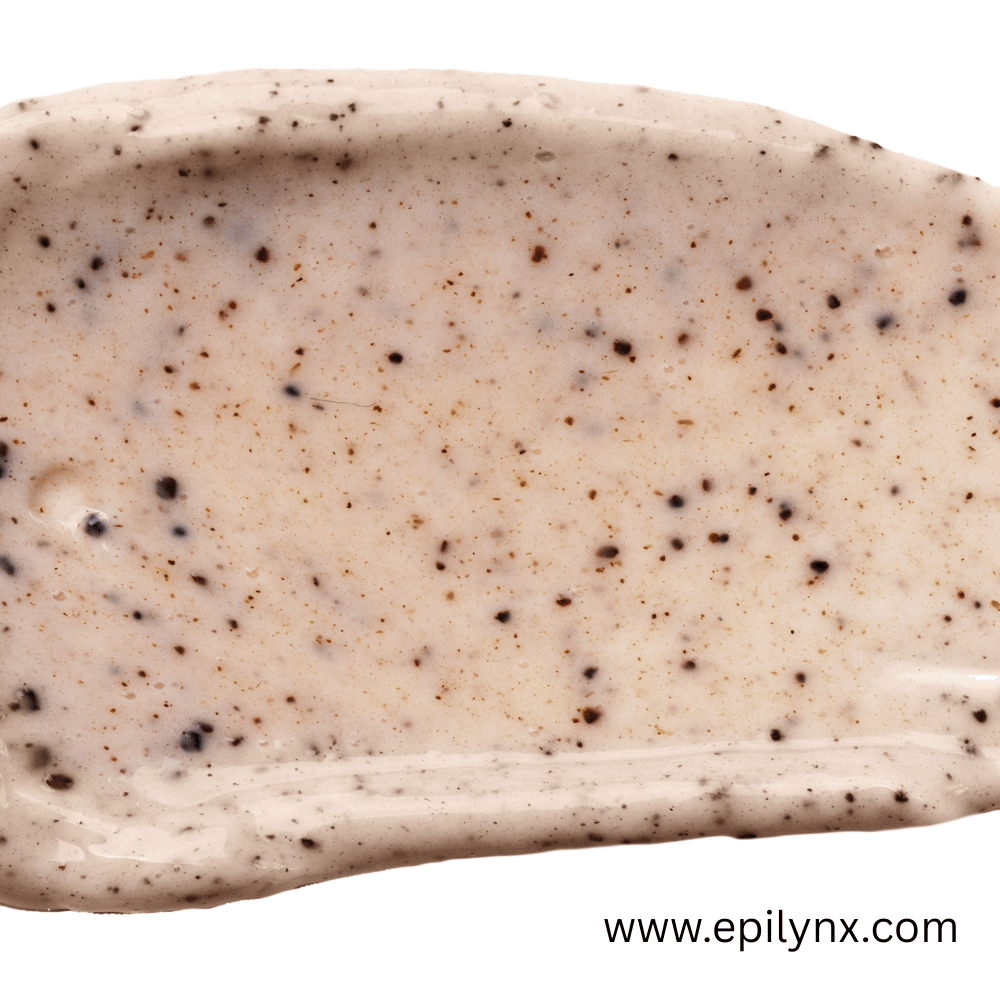
Once the skin is no longer visibly red, sensitive, or reactive — TEWL has normalized and the surface feels smooth rather than tight and flaky — introduce the gentlest possible exfoliation: biodegradable jojoba bead physical exfoliation, once weekly. Jojoba beads are the appropriate recovery-phase exfoliant because they provide gentle surface renewal via spherical, non-lacerating particles without any acid, without any allergen, and without barrier disruption.
Phase 3: Careful reintroduction of actives (weeks 6–12)
Once the barrier is functionally restored, reintroduce actives one at a time with a two-week trial period each. Start with niacinamide (least irritating of all actives, barrier-supportive). Then vitamin C (stabilized derivative first, free L-ascorbic acid if tolerated). Then peptides. Each active in allergen-free formulation only.
What never to reintroduce for allergy-prone skin:
- CAPB-containing products — if sensitized during the over-exfoliation period, avoidance is permanent
- Walnut shell, coconut shell, apricot kernel physical scrubs — replace permanently with jojoba beads
- Fragrance-containing products — compromise-free fragrance avoidance for allergy patients
- Daily acid exfoliation — maximum 2–3× weekly at recovery completion and forever after
EpiLynx by Dr. Liia's Gentle Exfoliating Face Scrub with jojoba beads is the Phase 2 recovery exfoliant — the only appropriate exfoliation format for allergy-prone skin in barrier recovery mode. The Brightening Vitamin C Glow Serum with niacinamide is the Phase 3 active reintroduction — delivered in an allergen-free base without the fragrance, coconut, or nut ingredients that most post-recovery serums contain. And the Anti-Aging Peptide Eye Cream provides periocular recovery support in the most vulnerable skin zone — gently, without any ingredient that would re-trigger the sensitization cycle that over-exfoliation began.
Use code EpiLynxglow25 for 25% off sitewide. Free shipping on orders $39+.