🥜🧬 Nut-Free Skincare Science: Why Sensitive Skin Is Practically an Epidemic Now — And What We’re Doing Wrong
Sensitive Skin Isn’t the Exception Anymore — It’s the Majority
Think back 20 years.
We did not have:
-
“sensitive skin” aisles
-
dermatologist TikToks
-
barrier repair serums
-
47-step routines
-
“my face is burning” memes
Today?
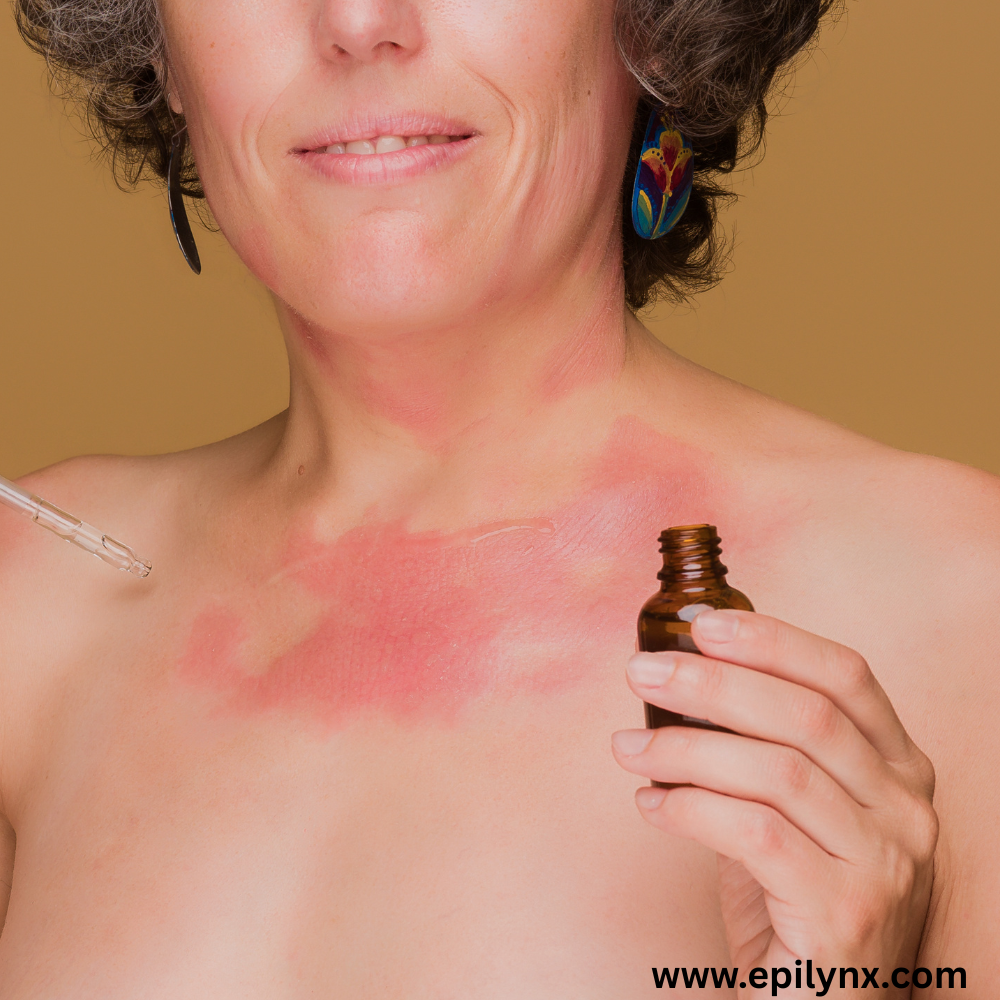
EVERYONE’S skin is irritated.
Red.
Inflamed.
Itchy.
Reactive.
“Why is my face doing this?”
Let’s uncover why modern life is creating an entire generation of sensitive skin — and what nut-free, allergen-free skincare has to do with it.
🔬🔥 1. Skin Barriers Are Being Destroyed by Over-Cleansing
We cleanse:
morning
night
after the gym
after sunscreen
after sweating
Cleansers today are more stripping than ever — especially foaming washes.
Result?
Your barrier breaks.
Your skin becomes reactive.
Nut oils + broken barrier = allergy risk.
📉🌍 2. Pollution Weakens the Skin — Constantly
Air pollution increases:
-
inflammation
-
oxidation
-
barrier disruption
-
sensitivity
Polluted skin = vulnerable skin.
Vulnerable skin + nut proteins = immune chaos.
🔥🌿 3. Natural Ingredients Are Overrated — and Overused
Everyone loves “clean” beauty.
But plants are PACKED with irritants:
-
essential oils
-
fragrance compounds
-
botanical allergens
-
nut oils
-
floral extracts
-
plant acids
Your skin is not a garden.
It’s an organ.
🥜⚠️ 4. Nut Oils Are Everywhere — and Sensitivity Is Increasing
Shea. Almond. Argan. Macadamia. Hazelnut.
“Natural moisturizing ingredients”
= major allergen exposure
= higher risk of sensitization
= especially dangerous for eczema-prone users
🧪💡 5. Skin Sensitivity Is Not Weakness — It’s Overexposure
Modern skin is overwhelmed by:
-
pollutants
-
harsh products
-
strong actives
-
allergens
-
stress
-
fragrances
-
over-exfoliation
No wonder it’s freaking out.
⭐ Final Thought: Sensitive Skin Isn’t Your Fault — It’s Your Environment
The solution isn’t more aggressive products.
It’s smarter, safer, allergen-free skincare that respects the barrier.
🌿 The EpiLynx Promise:
Nut-free, gluten-free, vegan, and barrier-friendly — always.