By Dr. Liia, PharmD — Pharmacist & Founder, EpiLynx by Dr. Liia | May 3, 2026 | 5 min read
How to Repair Your Skin Barrier If You Have Eczema or Food Allergies
If your skin is constantly dry, reactive, or breaking out in mysterious rashes — and you also deal with food allergies or celiac disease — you're not imagining the connection. Your skin barrier may be the missing link. Here's the science behind why it breaks down, and the allergen-free way to rebuild it.
What Is the Skin Barrier — And Why Does It Keep Failing?
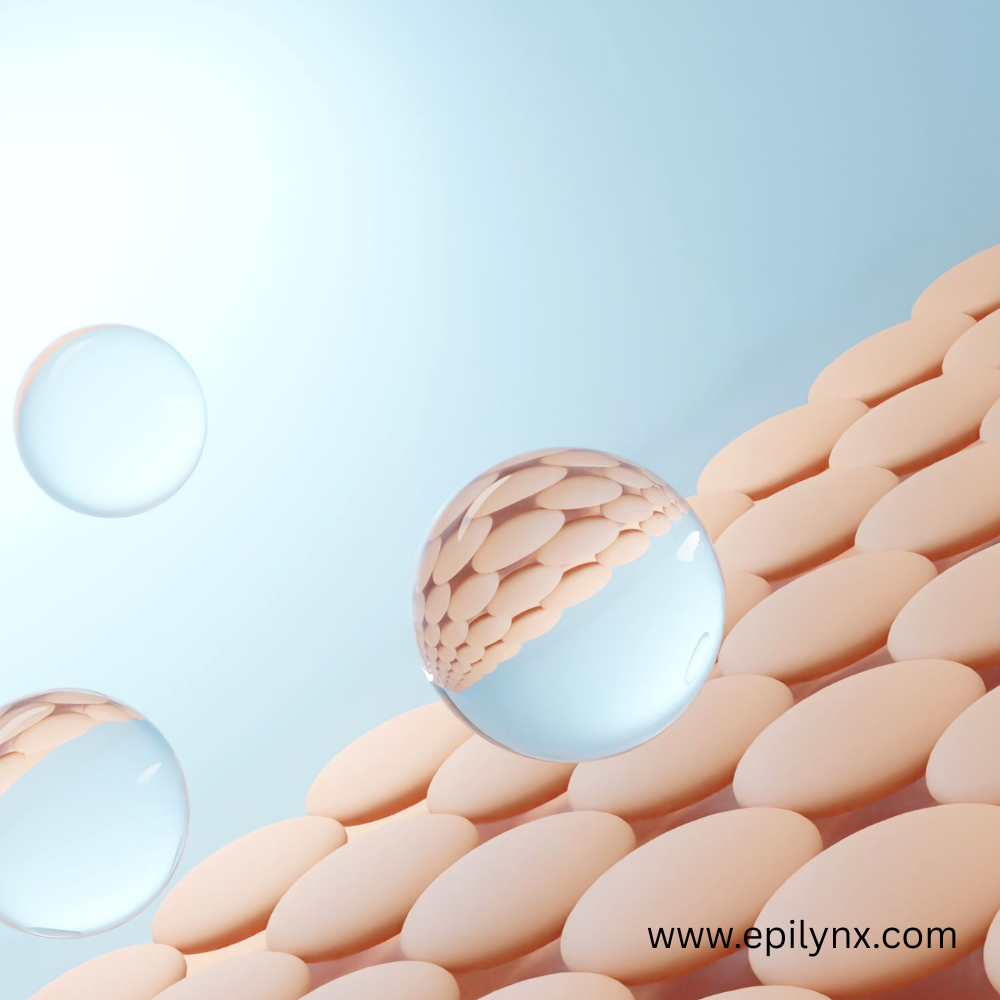
Your skin barrier (technically called the stratum corneum) is the outermost layer of your skin. Think of it like a brick wall: skin cells are the bricks, and lipids — mainly ceramides, cholesterol, and fatty acids — are the mortar holding everything together.
This barrier does two critical jobs:
- Locks moisture in — preventing your skin from drying out (measured clinically as TEWL, or transepidermal water loss)
- Keeps irritants out — blocking allergens, bacteria, and environmental toxins from entering
In people with eczema (atopic dermatitis), this barrier is structurally compromised from the start. Many carry a genetic variant that reduces production of filaggrin — a protein that binds skin cells together. Less filaggrin = looser connections = a leakier barrier = more moisture loss and more allergen infiltration.
The result? Chronic dryness, inflammation, itching, and vulnerability to flares triggered by almost anything.
The Food Allergy–Skin Barrier Connection (This Is Important)
Here's something most people don't know: the relationship between food allergies and your skin runs deeper than diet.
Research published in peer-reviewed journals including Nutrients shows that allergen exposure through a damaged skin barrier — not just through food ingestion — can actually trigger immune sensitization and worsen or even cause food allergy development. Scientists call this epicutaneous sensitization.
In practical terms: if your skin barrier is broken and you apply a lotion containing wheat protein, hydrolyzed oat, or soy-derived ingredients, those proteins can penetrate your porous barrier and set off an immune response — even if you never ate them.
This is why people with celiac disease, peanut allergies, tree nut allergies, or multiple food sensitivities often also experience the worst skin reactions. Your immune system is already on high alert. Your skin is already more permeable than average. The two issues feed each other.
"As a pharmacist, I formulated EpiLynx specifically because I saw patients with celiac disease and food allergies unable to find skincare they could trust. The skin and the gut are telling the same story — allergen exposure drives inflammation, whether it comes through food or through your skin."
— Dr. Liia, PharmD, Founder of EpiLynx
Signs Your Skin Barrier Is Damaged
- Skin feels tight, dry, or uncomfortable after cleansing
- Redness or flushing that wasn't there before
- Products that used to work now sting or burn
- Skin flakes or peels even when you moisturize
- Eczema patches that keep coming back in the same spots
- New sensitivities to fragrance, detergent, or fabrics
- Skin reacts to allergens (rash, hives) without obvious dietary exposure
If you recognize these signs, here's the good news: a damaged skin barrier can be repaired, and it doesn't require steroids or prescriptions for most people. It requires the right ingredients — and crucially, products free from the allergens that keep setting it off.
The 4 Science-Backed Ingredients That Rebuild the Skin Barrier
1. Ceramides — The Foundation of Repair
Ceramides are the dominant lipid in your skin barrier. People with eczema and food allergies have measurably lower ceramide levels in their skin — even in non-lesional skin. Topical ceramides replenish the barrier's "mortar," reducing moisture loss and sealing out allergens. Look for products with multiple ceramide types (NP, AP, EOP).
2. Hyaluronic Acid — Deep Hydration
Hyaluronic acid (HA) is a humectant that can hold up to 1,000 times its weight in water. It draws moisture from the environment into your skin's upper layers. For a damaged barrier losing moisture rapidly, HA provides immediate relief while longer-term repair proceeds. For best results, apply HA to damp skin and seal with a ceramide-rich moisturizer.
3. Niacinamide — Anti-Inflammatory Powerhouse
Niacinamide (Vitamin B3) is one of the most research-supported ingredients for sensitive and eczema-prone skin. It reduces redness and inflammation, strengthens the lipid barrier, visibly minimizes pores, and helps regulate sebum without drying skin out. Bonus: it's also one of the safest ingredients for reactive skin at concentrations of 4–10%.
4. Peptides — Signal Repair at the Cellular Level
Peptides are short amino acid chains that act as cellular messengers, signaling your skin to produce more collagen, elastin, and barrier proteins like filaggrin. In 2026, neuropeptides that calm itch and irritation signals are emerging as a key advancement in sensitive skin formulations. Think of peptides as your skin's internal repair crew, finally getting the right instructions.
🌿 EpiLynx Pharmacist Picks for Barrier Repair:
- Allergen-Free Face Creams — ceramide-rich, fragrance-free, gluten-free
- Hyaluronic Acid & Vitamin C Serums — deep hydration without allergens
- Dry Skin / Eczema Collection — formulated for compromised, reactive skin
Use code EPILYNXGLOW35 for 35% off your order.
What to Avoid If You Have a Damaged Skin Barrier + Food Allergies
This is just as important as what to add. The following common skincare ingredients can penetrate a damaged barrier, trigger immune reactions, or worsen inflammation in allergy-prone skin:
- Wheat-derived ingredients — "hydrolyzed wheat protein," "Triticum vulgare," tocopherol from wheat germ oil
- Oat derivatives — "Avena sativa" extract or oat milk (high cross-contamination risk for celiac)
- Fragrance and parfum — one of the top contact allergens and a leading cause of eczema flares
- Preservatives — methylisothiazolinone (MI), parabens, and formaldehyde-releasers
- Soy-derived emollients — relevant for those with soy allergies (common label: "glycine soja")
- Harsh surfactants — sodium lauryl sulfate (SLS) strips the barrier with every wash
EpiLynx products are formulated to be free from all of the above, plus the top 8 FDA food allergens (wheat/gluten, tree nuts, peanuts, soy, dairy, eggs, shellfish, fish). Every formula is pharmacist-vetted before it reaches you.
The EpiLynx Barrier Repair Routine (Pharmacist-Designed)
Here's the simple 4-step routine Dr. Liia recommends for eczema and allergy-prone skin:
- Cleanse gently. Use a fragrance-free, SLS-free cleanser that doesn't strip your skin. Pat (don't rub) dry.
- Apply serum on damp skin. A hyaluronic acid or vitamin C serum absorbs best when skin is still slightly damp — this traps moisture before it can evaporate.
- Lock in with ceramide moisturizer. Apply your barrier-repair face cream within 60 seconds of your serum to seal everything in.
- Protect with SPF daily. UV damage accelerates barrier degradation. Even on cloudy days. Check out our allergen-free suncare.
Consistency matters more than complexity. Two weeks of a simple, allergen-free routine will do more than ten products from brands that don't account for your immune system's specific triggers.
A Note on Trending Skincare Ingredients in 2026
You've probably seen a lot of buzz about postbiotics, microbiome skincare, and regenerative formulas. These are real, exciting advancements — and they're particularly relevant for sensitive and eczema-prone skin. Barrier-supportive postbiotic blends help balance the skin's microbial ecosystem, reducing the chronic inflammation that feeds eczema cycles.
At EpiLynx, we're ahead of this curve. Our formulations already incorporate biomimetic ingredients (those that mimic your skin's natural compounds) without the fragrance, allergens, or synthetic preservatives that conventional "microbiome" products often sneak in.
Learn more about Dr. Liia's pharmacist-led formulation philosophy →
Frequently Asked Questions
What is the skin barrier and why does it matter for eczema?
The skin barrier is the outermost layer of your skin that keeps moisture in and allergens out. In eczema-prone skin, this barrier is structurally compromised — it loses moisture faster and lets irritants, allergens, and bacteria penetrate more easily. Repairing it with ceramides, hyaluronic acid, and niacinamide is the most clinically validated approach to reducing eczema flares.
Can food allergies cause skin problems even if I don't eat the allergen?
Yes. Research shows that allergen exposure through a damaged skin barrier can trigger immune sensitization and worsen conditions like eczema. People with food allergies often have elevated TEWL (transepidermal water loss) and reduced ceramide levels in their skin. Using allergen-free skincare products is one way to reduce total allergen load on your immune system.
What ingredients repair the skin barrier for sensitive or allergy-prone skin?
The top clinically-supported ingredients for skin barrier repair are ceramides (restore lipid structure), hyaluronic acid (draws water into skin), niacinamide (reduces inflammation), and peptides (signal collagen production). All EpiLynx products are free from the top 8 allergens, gluten, fragrance, and parabens.
Is EpiLynx safe for celiac disease and eczema?
Yes. EpiLynx by Dr. Liia is formulated by a pharmacist specifically for people with celiac disease, food allergies, eczema, and reactive skin. All products are certified gluten-free, allergen-free, vegan, and free from harsh preservatives. Shop our full collection →
Ready to Finally Give Your Skin Barrier What It Needs?
Take our 2-minute Skin Quiz and Dr. Liia will match you with the exact allergen-free routine for your skin type and concerns.
Use code EPILYNXGLOW35 for 35% off · Free shipping on orders $39+