By Dr. Liia, PharmD & Cancer Researcher — Founder, EpiLynx by Dr. Liia | June 1, 2026 | 7 min read
The Perimenopause Skin Microbiome: How Estrogen Loss Reshapes Cutaneous Bacteria — and Why It Matters
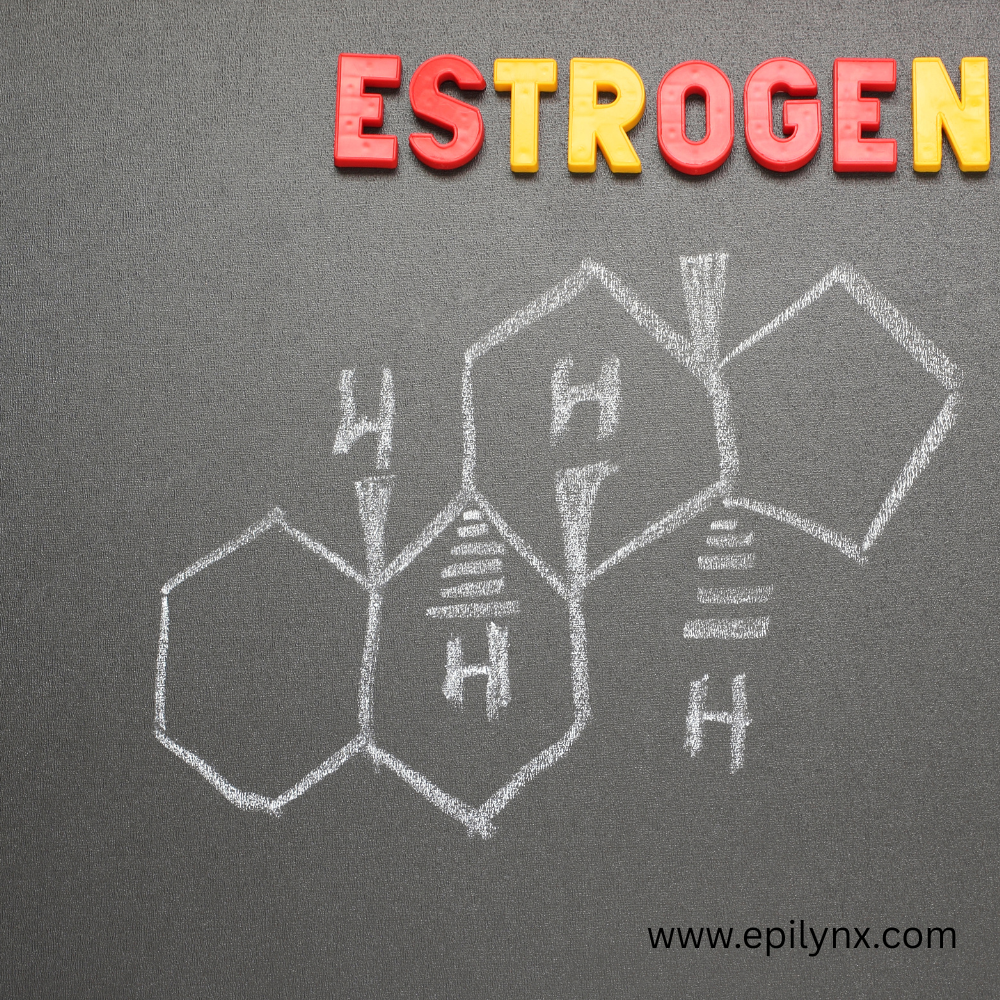
The skin's microbial community is not static — it responds to hormonal environment just as the skin cells beneath it do. The microbiome changes of perimenopause are distinct, directional, and clinically significant. They partially explain why reactive skin conditions that were controlled in premenopausal life return or intensify during the hormonal transition — and they identify specific intervention points beyond simply replacing what hormones provided.
How Estrogen Maintains a Protective Skin Microbiome
Before examining what estrogen loss does to the skin microbiome, it is worth understanding the mechanisms by which estrogen maintains the conditions favorable for a diverse, commensal-dominated community:
Sebum Production and Fatty Acid Supply
Estrogen modulates sebaceous gland activity and sebum composition. Sebum lipids — particularly free fatty acids generated by sebaceous lipase activity on sebum triglycerides — provide both a nutrient source for lipid-dependent commensals like Cutibacterium acnes (formerly Propionibacterium acnes, present at low density as a neutral-to-beneficial commensal in healthy skin) and an antimicrobial barrier through their fatty acid composition. Free fatty acids at the skin surface are bacteriostatic against many pathogens including S. aureus but tolerated by commensal species that have evolved to utilize them as carbon sources. Estrogen's effects on sebum production — and particularly on the fatty acid composition of sebum — help maintain the nutrient ecology that favors commensals over pathogens.
Skin Surface pH Maintenance
Estrogen maintains skin surface pH indirectly through its support of filaggrin expression. Filaggrin breakdown products include urocanic acid and pyrrolidone carboxylic acid — components of natural moisturizing factor (NMF) that are acidic and contribute directly to the skin's pH 4.5–5.5 acid mantle. This acidic pH is not arbitrary: the commensal microbiome has evolved specifically for this pH range, while many pathobionts including S. aureus prefer neutral to slightly alkaline conditions (pH 6–7).
Estrogen decline during perimenopause → filaggrin suppression → reduced NMF and urocanic acid → alkalinized skin surface pH → shift in microbiome selection pressure from commensal-favorable to pathobiont-favorable. This pH-mediated mechanism connects estrogen loss directly to the microbiome dysbiosis that drives increased S. aureus colonization — without any requirement for a separate immunological mechanism.
Immune Competence Against Skin Pathogens
Estrogen supports the expression of antimicrobial peptides (cathelicidin LL-37, beta-defensins) in keratinocytes through estrogen receptor-mediated transcriptional upregulation. These AMPs are the chemical barrier that limits pathobiont colonization to low levels on healthy skin. Their estrogen-dependent reduction during perimenopause compounds the pH-mediated microbiome shift — not only is the environmental selection pressure shifting toward pathogens, but the chemical suppression of pathogens is simultaneously weakening.
The Microbiome Profile of Perimenopausal Skin: What Research Shows
Studies examining skin microbiome composition across the menopausal transition have documented consistent directional changes:
- Reduced overall diversity — fewer distinct bacterial species on facial and body skin; diversity loss is a characteristic finding in dysbiotic states across multiple body sites
- Reduced Staphylococcus epidermidis relative abundance — the primary commensal that produces lantibiotics and serine proteases that limit S. aureus colonization is specifically reduced
- Reduced Cutibacterium species — in sebaceous-rich areas, the reduction in sebum output disproportionately reduces Cutibacterium populations that depend on sebaceous lipids as a primary carbon source
- Increased Staphylococcus aureus relative and absolute abundance — exploiting the alkalinized pH, reduced AMP barrier, and reduced competitive pressure from depleted commensals
- Altered Malassezia composition — the commensal fungal genus shifts species distribution, potentially contributing to seborrheic dermatitis presentations that are common during perimenopause
These changes are partially reversible with hormone replacement therapy — demonstrating that they are estrogen-dependent rather than simply age-dependent — though not all women are candidates for HRT, and the microbiome changes occur on a timeline that precedes any HRT intervention in many cases.
The S. Aureus Loop Revisited in Perimenopause
The increased S. aureus colonization of perimenopausal skin produces the same inflammatory amplification mechanisms detailed in the companion blog on the eczema microbiome — but now operating on skin whose hormonal context has independently lowered the reaction threshold:
- S. aureus delta-toxin directly degranulates mast cells → histamine release → itch, redness, vascular reactivity
- Staphylococcal enterotoxin B/C superantigens → non-specific T cell activation → IL-4/IL-13 elevation → filaggrin suppression → more barrier disruption
- V8 protease cleaves corneodesmosin → barrier disruption → TEWL increase
In perimenopausal skin, the mast cells receiving delta-toxin signals are already hyperreactive from estrogen fluctuation. The T cells receiving superantigen signals are operating in a Th2-permissive cytokine environment from estrogen withdrawal. The barrier being disrupted by V8 protease was already compromised by reduced filaggrin from estrogen loss and reduced ceramides from IL-4/IL-13 elevation. Every mechanism is operating on a pre-sensitized background — producing amplified responses to the same bacterial stimuli that, in premenopausal skin, would have generated minimal reaction.
What Supports Microbiome Diversity During Perimenopause
The skin microbiome management implications of the estrogen-loss dysbiosis mechanism:
pH-Maintaining Skincare
Using pH-balanced, SLS-free cleansers that do not further alkalinize the skin surface — which estrogen loss is already pushing toward — helps maintain the acid mantle environment that favors commensal bacteria over pathobionts. Any cleanser with pH above 6.5 compounds the already-elevated perimenopausal skin surface pH.
Avoiding Broad-Spectrum Antimicrobials in Skincare
Certain preservatives — triclosan, high concentrations of benzalkonium chloride — are broad-spectrum antimicrobials that kill commensal bacteria alongside intended pathogens, reducing microbiome diversity and removing the competitive protection against S. aureus. This concern is particularly relevant during perimenopause when the commensal community is already under pressure from estrogen-driven pH and sebum changes.
Barrier Repair Supporting Commensal Ecology
Ceramide-based barrier repair maintains the skin surface conditions — appropriate pH, reduced permeability, structured lipid environment — that the commensal microbiome has evolved to inhabit. A more intact barrier supports more diverse commensals through the same mechanisms that limit pathobiont access and survival.
Fragrance and Allergen Elimination
Contact allergens in skincare generate inflammatory responses that directly alter the local skin immune environment — shifting it toward the Th2-biased, AMP-depleted phenotype that favors S. aureus over commensals. Every allergen-triggered inflammatory event produces the same microbiome-unfavorable conditions as estrogen loss itself. For perimenopausal skin already under microbiome pressure, fragrance and allergen exposure is not merely a cosmetic comfort concern — it is a microbiome management variable.
Frequently Asked Questions
How does estrogen decline change the skin microbiome during perimenopause?
Through three converging pathways: reduced sebum alters fatty acid ecology favoring commensals; filaggrin-driven NMF reduction alkalinizes skin surface pH from 4.5–5.5 toward S. aureus-favorable neutral range; and reduced AMP expression removes chemical antimicrobial barriers. Result: reduced diversity, reduced S. epidermidis and Cutibacterium, increased S. aureus.
Why does eczema recur or worsen during perimenopause even without prior history?
Convergence of barrier compromise (filaggrin/ceramide), microbiome dysbiosis (S. aureus colonization increasing delta-toxin mast cell activation), mast cell hyperreactivity from estrogen fluctuation, and NMF-driven pH alkalinization collectively recreate the biological conditions that produce or amplify eczema.
Does the skin microbiome affect perimenopause changes beyond eczema?
Yes — perimenopausal acne (Cutibacterium strain shift), rosacea (Demodex increase, facial bacterial changes), and seborrheic dermatitis (Malassezia composition shift) all have microbiome components driven by estrogen-related changes in sebum, pH, and immune competence.
From Dr. Liia: The microbiome science of perimenopause is one reason I'm especially focused on pH-appropriate, SLS-free formulas for this population — maintaining skin surface acid mantle conditions that favor the commensal community under hormonal pressure is itself a therapeutic intervention, not just a cosmetic preference.