Hormonal Skin and Celiac Disease: How Fluctuating Hormones Amplify Allergy Skin Reactions
The Hormonal-Immune Intersection in Celiac and Allergy Skin
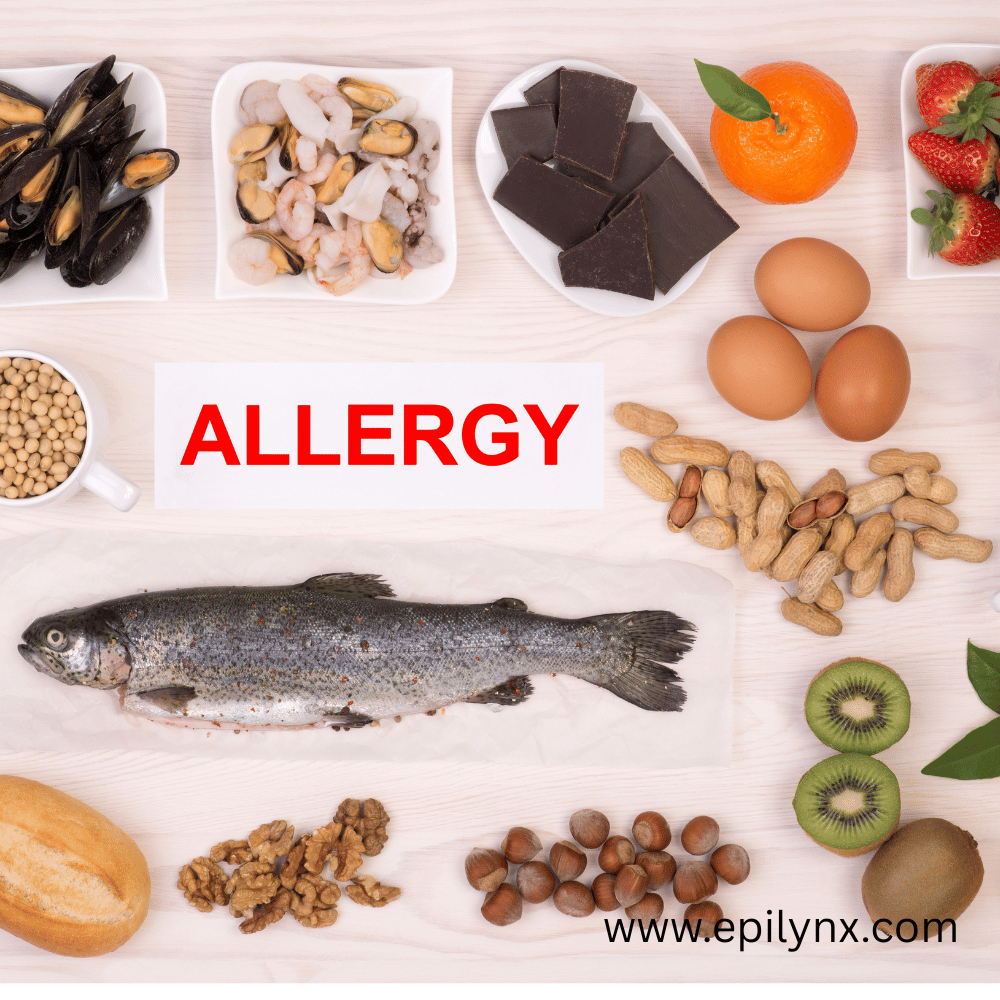
The relationship between reproductive hormones and skin immune function is bidirectional and complex. Estrogen, progesterone, testosterone, and cortisol all influence keratinocyte differentiation, sebaceous gland activity, mast cell sensitivity, and the Th1/Th2 balance of cutaneous immunity. For women with celiac disease or food allergies — who are already managing a dysregulated immune environment — hormonal fluctuations do not occur in isolation from this underlying immune state. They interact with it.
The clinical consequence is that food-allergic and celiac women frequently experience skin symptoms that worsen predictably at specific hormonal phases — premenstrually, perimenopausally, or during postmenopause — without recognizing the hormonal amplification of their underlying immune dysregulation as the driver. Understanding this pattern is the first step to managing it.
Estrogen and the Skin Barrier
Estrogen plays a foundational role in skin barrier function that is often underappreciated until menopause makes its absence evident:
- Ceramide synthesis: Estrogen upregulates ceramide synthase (CERS) gene expression via estrogen receptor α (ERα) signaling in keratinocytes. Higher estrogen → more ceramide production → stronger barrier. Estrogen decline in perimenopause directly reduces ceramide synthesis, compromising barrier integrity — a mechanism that worsens the already-reduced ceramide production of celiac disease (via zinc deficiency and Th2 cytokine suppression of CERS genes).
- Collagen maintenance: Estrogen stimulates fibroblast collagen I synthesis and inhibits MMP-1 (collagenase). Estrogen decline during perimenopause accelerates collagen degradation — adding to the celiac disease-driven collagen loss from vitamin C malabsorption and elevated MMP activity.
- Mast cell regulation: Estrogen has complex effects on mast cells — at physiological levels, it contributes to mast cell homeostasis; at declining levels (perimenopause), mast cell reactivity often increases, potentially worsening histamine-mediated skin reactions in allergy-prone patients.
The Menstrual Cycle and Allergy Skin Flares
Many women with celiac disease, atopic dermatitis, or food allergies notice that their skin symptoms worsen cyclically — typically in the luteal phase (days 15–28 of a 28-day cycle) before menstruation. The mechanisms:
- Progesterone elevation in the luteal phase increases sebum production via androgenic activity, potentially worsening acne and clogged-pore inflammation in the 1–2 weeks before menstruation
- Pre-menstrual estrogen decline in the late luteal phase reduces barrier ceramide production and collagen synthesis support transiently — increasing TEWL and allergen sensitivity in the premenstrual week
- Prostaglandin E2 elevation pre-menstrually drives systemic vasodilation and mast cell activation — potentially amplifying histamine release and existing allergic skin reactivity
- Cortisol elevation from premenstrual emotional and physical stress further activates mast cells and reduces barrier ceramide production
Perimenopause, Menopause, and Celiac Skin
The estrogen decline of perimenopause and menopause represents a predictable acceleration of skin aging — and for women with celiac disease, this acceleration occurs on top of the existing skin aging mechanisms of celiac (vitamin C malabsorption, zinc deficiency, systemic oxidative stress, elevated MMP activity). The compounding of these processes produces premature skin aging, compromised barrier, and increased reactivity that is often attributed entirely to "menopause" but is partly driven by the additive celiac biology.
Additionally, new-onset food allergies in midlife — which are increasingly recognized as a real phenomenon — may emerge during perimenopause as the hormonal shift alters immune regulation. Women who had no known food allergies in their 30s may develop them in their 40s and 50s, and the cosmetic allergens driving unexplained midlife skin reactions may reflect this immune shift.
What Hormonal Skin + Celiac Requires From Skincare
The hormonal-celiac skin protocol needs to address multiple simultaneous targets:
- Ceramide support: Topical ceramide-containing moisturizers and niacinamide (which upregulates ceramide synthesis via PPAR-α) directly compensate for estrogen-withdrawal ceramide reduction
- Collagen protection: Topical vitamin C (prolyl hydroxylase support) and peptides (TGF-β1 collagen signaling) address the compound collagen loss from estrogen decline + celiac vitamin C malabsorption
- Antioxidant defense: Perimenopause increases oxidative stress via declining SOD2 activity — adding to the celiac-driven SOD2 suppression — making topical vitamin C antioxidant defense specifically important
- Allergen vigilance: The increased skin reactivity of hormonal transition periods means the same allergen that was "tolerated" at a younger age may now produce reactions — making allergen-free formulation more critical, not less, as women age
EpiLynx by Dr. Liia's Brightening Vitamin C Glow Serum delivers the antioxidant, collagen-support, and brightening mechanisms that address both the celiac and hormonal drivers of midlife skin decline — in an allergen-free base that does not introduce new sensitization risks during a period of elevated immune reactivity. The Anti-Aging Peptide Eye Cream addresses the periocular collagen loss that accelerates significantly in perimenopause, combining with the celiac-specific collagen vulnerabilities for the most visible anti-aging effects in an allergen-free formulation.
Use code EpiLynxglow25 for 25% off sitewide. Free shipping on orders $39+.