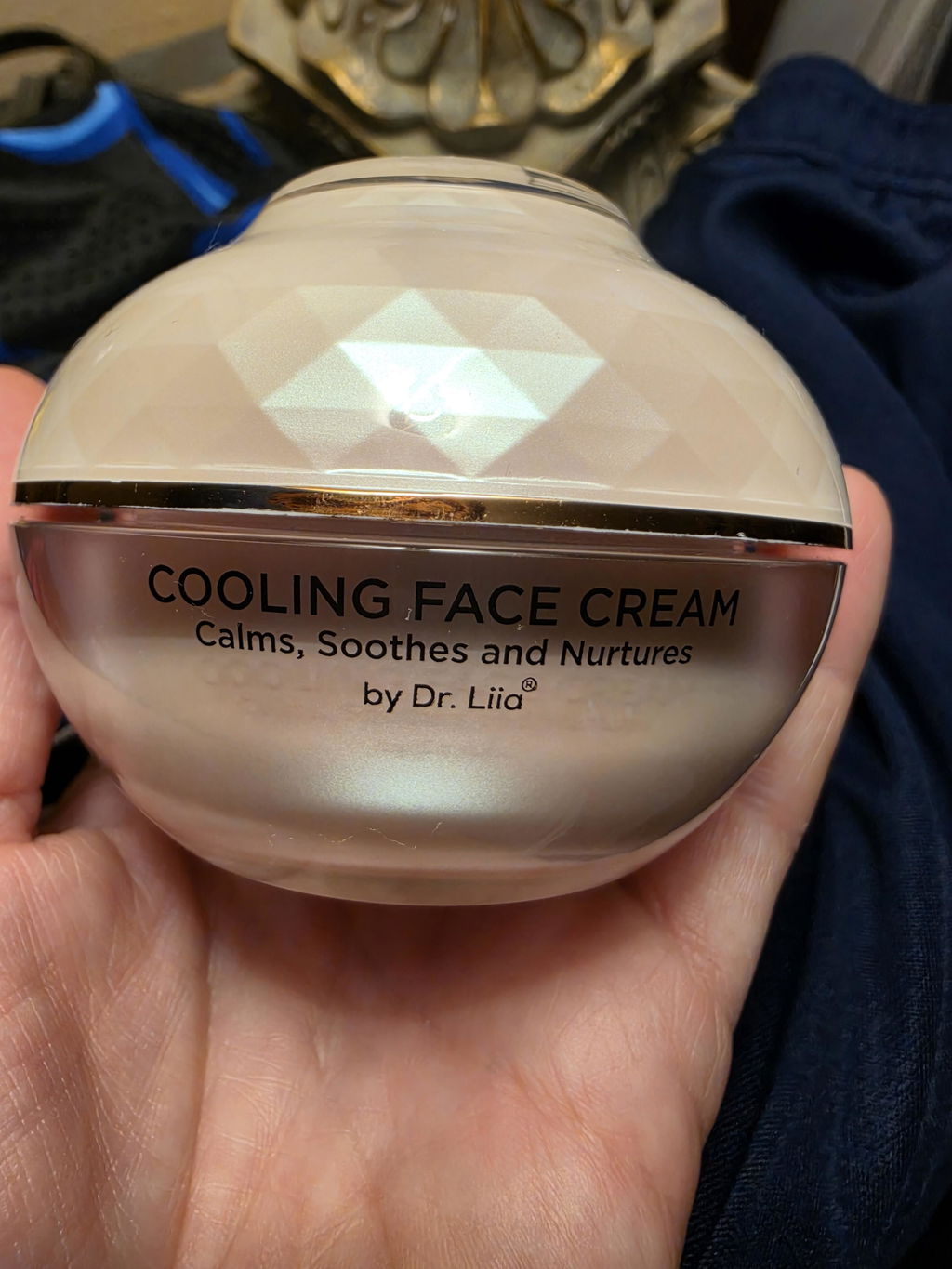
Article: Gluten-Free Foundation and CC Cream for Celiac Disease: What Your Coverage Product Actually Contains
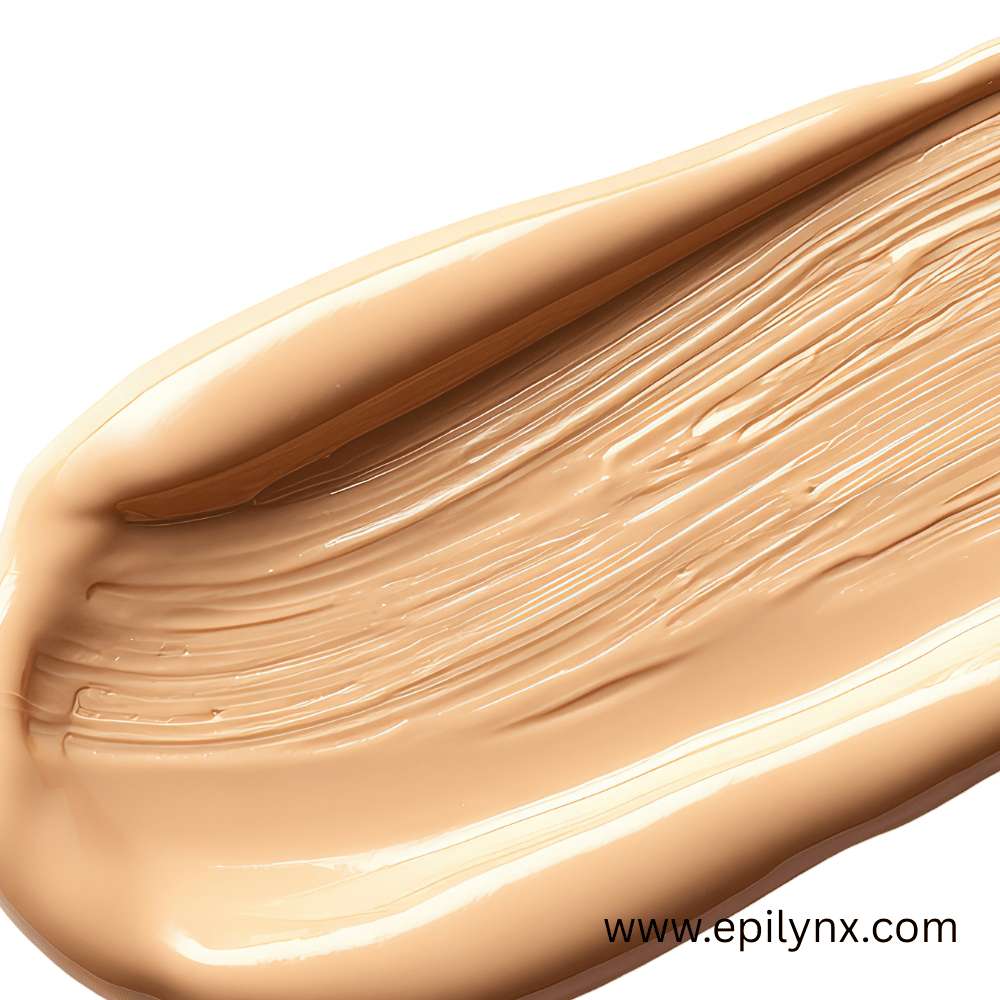
Gluten-Free Foundation and CC Cream for Celiac Disease: What Your Coverage Product Actually Contains
Why Foundation Is a High-Risk Product for Celiac Patients
Foundation and CC cream occupy a unique risk position in the celiac patient's makeup routine because of three compounding factors:
- Surface area: Foundation is applied to the entire face — a surface area of approximately 500–600 cm² — in a relatively thick film compared to a serum or eye cream. Total ingredient exposure per application is higher than for any other facial product.
- Duration of contact: Foundation is a leave-on product worn for 8–14 hours daily. Repeated, sustained contact with the skin and the perioral area means continuous low-level allergen exposure across the entire waking day.
- Perioral proximity: Any foundation applied to the lower face — particularly from the nose to the chin — is in close proximity to the mouth, the lips, and hand-to-mouth transfer pathways. Incidental ingestion of perioral foundation throughout the day is a real exposure route that most celiac patients underestimate.
Wheat and Gluten Derivatives Found in Commercial Foundation Formulas
A systematic review of commercial foundation INCI lists reveals several wheat-derived ingredients appearing frequently:
Wheat starch (Triticum vulgare starch): The most common wheat derivative in foundations. Used as an oil-absorbing powder agent in matte foundations and pressed powders, providing the "skin-blurring" and oil-control properties that many formulas market as key features. Wheat starch absorbs sebum and reduces shine — and it is wheat-derived in the most direct sense of the term.
Hydrolyzed wheat protein: Added to some liquid and serum foundations for a "skin-plumping" or blurring effect. Functions as a film former that creates a smooth visual surface by partly filling the spaces between skin texture irregularities.
Tocopherol from wheat germ: Used as an antioxidant preservative to protect the formula's unsaturated fatty acid content from oxidation. Not declared as wheat-derived on the INCI label.
Oat flour (Avena sativa kernel flour): Used in some "soothing" and "sensitive skin" tinted moisturizers and BB creams for its anti-inflammatory properties. Cross-reactive in 10–15% of celiac patients via avenin-gliadin homology.
Wheat germ oil (Triticum vulgare germ oil): Used as an emollient in some natural and "clean" foundation formulas that avoid silicones.
The CC Cream Advantage for Celiac Patients
CC cream (color correcting cream) combines the coverage function of foundation with the skincare benefits of an active moisturizer and the UV protection of sunscreen — often with a lighter texture than traditional foundation. For celiac patients who need daily SPF regardless, a CC cream that is simultaneously gluten-free, nut-free, coconut-free, and fragrance-free eliminates the need to layer three separate products (moisturizer, SPF, foundation), each of which carries its own allergen audit burden.
From an allergen management standpoint, reducing product count reduces cumulative allergen exposure. A single CC moisturizer with SPF that meets the full allergen-free standard is clinically preferable to three separate products where each has a 1-in-4 chance of containing a wheat derivative by market composition.
What Allergen-Free Coverage Should Look Like
For celiac and multi-allergen patients, the CC cream or foundation standard should include:
- No Triticum vulgare starch, flour, or protein — in any form
- No Avena sativa derivatives (oat)
- No Hordeum vulgare (barley)
- No nut-derived emollients (almond oil, macadamia, shea, argan) in the base
- No coconut-derived emulsifiers or surfactants
- Mineral UV filters (zinc oxide, titanium dioxide) if SPF is included
- Fragrance-free — fragrance applied to the entire face for 12+ hours daily represents the highest fragrance sensitization exposure of any product in a routine
- Tocopherol from confirmed non-wheat source
Reading Foundation Labels: The Hidden Wheat Terms
Foundation labels use INCI nomenclature that does not intuitively signal "wheat." Celiac patients should recognize these as wheat-derived in any foundation formula:
- Starch — particularly labeled "Triticum vulgare starch" but sometimes simply listed as "starch" (verify botanical source)
- Any ingredient beginning with "Triticum" — all wheat
- Hydrolyzed wheat protein, wheat amino acids
- Avena sativa (in any form) — oat, cross-reactive
- Tocopherol listed after wheat-derived ingredients (correlation suggests shared sourcing)
EpiLynx by Dr. Liia's Tinted CC Moisturizer SPF 55 provides color-correcting coverage, broad-spectrum mineral SPF protection, and daily moisturization in a single product free of all wheat derivatives, all tree nut emollients, all coconut-derived surfactants and emollients, and fragrance — with a shade range designed for daily wearability as a foundation replacement. Formulated by a pharmacist who understood that the daily-use, full-face product needed to meet the highest allergen standard, not the one that most often gets exempted from the audit because "it's just makeup."
Use code EpiLynxglow25 for 25% off sitewide. Free shipping on orders $54+.