Glass Skin for Celiac Disease and Allergy-Prone Skin: The Allergen-Free Routine That Actually Works
What Glass Skin Actually Is — and Why It's Biologically Achievable
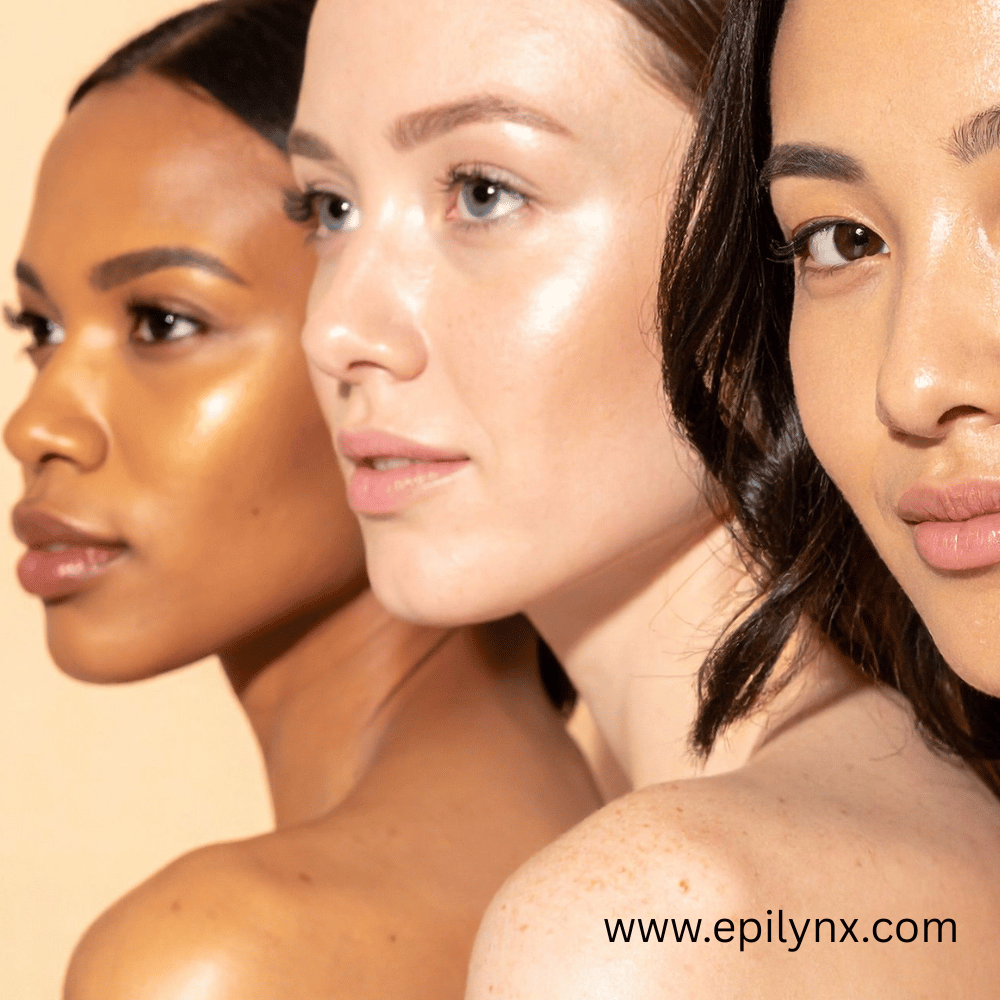
Glass skin is not a filter. It refers to a skin condition in which the stratum corneum is so well-hydrated, smooth, and evenly pigmented that light reflects off the surface in a diffuse, luminous way — creating the visual impression of porcelain-like clarity and glow. Rooted in K-beauty philosophy, glass skin describes a state of skin health, not a product category.
The biological prerequisites for glass skin:
- High stratum corneum hydration: Corneocytes saturated with natural moisturizing factor (NMF) — pyrrolidone carboxylic acid, urocanic acid, and hyaluronic acid derived from filaggrin breakdown — allow even light diffusion through the epidermis
- Even melanin distribution: Absence of post-inflammatory hyperpigmentation, sun spots, or hormonal melasma disrupting the tonal evenness that makes glass skin "glass"
- Smooth surface texture: Absence of accumulated poorly-desquamated corneocytes that create micro-roughness and uneven light scattering
- Adequate collagen density: Sufficient upper dermal collagen to reflect light from depth, creating the "lit from within" quality rather than surface-only shine
Every one of these prerequisites is addressable with allergen-free actives. Glass skin is not reserved for people who can use luxury nut-oil-based K-beauty products. It is a biological state achievable through mechanism-driven skincare with no allergen requirement.
The Problem With Glass Skin Products for Allergy Patients
The K-beauty products that popularized glass skin — essence layers, hyaluronic acid toners, snail mucin serums, centella asiatica creams, fermented ingredients — are disproportionately formulated with ingredients that concern allergy patients:
- Centella asiatica products frequently use oat extract as a co-soother
- Fermented rice and grain extracts may contain gluten-adjacent proteins
- Snail mucin products often use CAPB or coconut-derived surfactants
- K-beauty "hanbang" (traditional herb) formulas frequently include nuts, sesame, and fragrance
- Glass skin serums from mainstream brands typically use argan oil, rosehip oil, or niacinamide-in-coconut-MCT bases
The allergen-free patient who wants glass skin is left navigating a market that wasn't designed for them — applying K-beauty principles through allergen-safe products that actually deliver the same mechanisms.
The Glass Skin Mechanism Stack — Allergen-Free
Step 1: Surface Clarity — Gentle Exfoliation
Glass skin requires a smooth, even surface. Accumulated corneocytes are the enemy of glass skin — they scatter light non-uniformly and prevent the even reflectance that creates the luminous effect. Biodegradable jojoba bead exfoliation (2–3× weekly) removes this surface layer gently without the micro-lacerations of coconut shell or walnut shell — leaving a clean, even surface on which light diffuses uniformly. Combined with hyaluronic acid in the same step, the post-exfoliation skin immediately captures moisture into the freshly exposed corneocytes.
Step 2: Tone Correction — Vitamin C + Niacinamide
Glass skin requires even tone. Vitamin C (ascorbic acid) inhibits tyrosinase and reduces dopaquinone, preventing melanin synthesis. Niacinamide inhibits melanosome transfer via PAR-2 suppression. Together they address hyperpigmentation through two distinct, additive mechanisms — producing the tonal evenness that makes glass skin visually remarkable. These actives work through biochemical pathways that have no allergen component.
Step 3: Deep Hydration — Hyaluronic Acid
HA holds 1,000× its weight in water. Applied post-exfoliation to damp skin, low-molecular-weight HA (50–100 kDa) penetrates to the spinous layer, building the water gradient that keeps the stratum corneum from the inside out — producing the plumped, translucent quality of glass skin. This is the hydration mechanism; unlike coconut oil occlusion, it is hydration from depth rather than surface film.
Step 4: Structural Depth — Peptides
Glass skin has a characteristic depth to it — the light doesn't just reflect off the surface, it appears to come from within. This quality is created by adequate upper dermal collagen density, which scatters light from below the epidermis. Palmitoyl tripeptide-1 stimulates collagen I and III synthesis via TGF-β1 → SMAD2/3, increasing the dermal collagen that provides this depth. Over 8–12 weeks of consistent use, the structural glow develops that no amount of surface hydration alone can achieve.
Step 5: Protection — Mineral SPF
Glass skin is destroyed by UV — UV activates MMP-1, degrades collagen, and deposits uneven melanin. Daily mineral SPF is non-negotiable for glass skin maintenance. For allergy patients, a gluten-free, nut-free, coconut-free tinted mineral SPF doubles as color correction — providing the even, luminous coverage that bridges the gap between bare skin and glass skin finish.
The Allergen-Free Glass Skin Routine
AM: Allergen-free cleanser → Brightening Vitamin C Glow Serum (vitamin C + niacinamide — tone correction and antioxidant defense) → Anti-Aging Peptide Eye Cream (periocular collagen support) → Tinted CC Moisturizer SPF 55 (hydration + mineral SPF + color correction in one allergen-free formula)
PM: Allergen-free cleanser → Gentle Exfoliating Face Scrub 2–3× weekly (jojoba bead surface renewal + HA hydration) → Vitamin C Serum → Peptide Eye Cream → allergen-free moisturizer
Glass skin is not a luxury reserved for people without allergies. It is a biological state built through mechanism-driven skincare — and every mechanism it requires is available allergen-free.
Use code EpiLynxglow25 for 25% off sitewide. Free shipping on orders $54+.