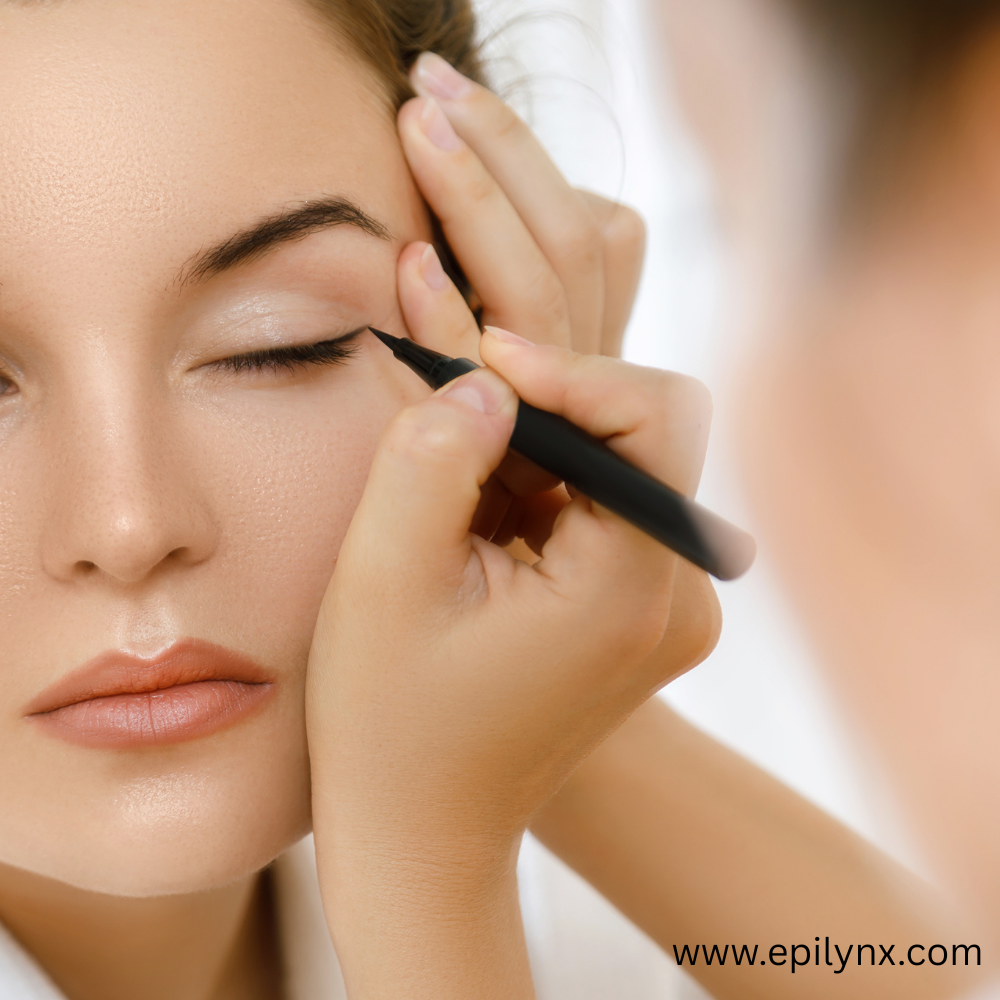
Eyeliner Is Applied Millimeters From Your Brain — Let’s Talk About Safety
Intro: Eyeliner Is Not “Just Makeup”
Eyeliner isn’t casual.
It’s applied:
-
near mucosal tissue
-
near tear ducts
-
near blood vessels
-
near the cornea
And yet, it’s often packed with ingredients that would never be tolerated elsewhere.
Let’s fix that.
Why the Eye Area Is a Medical Zone
The eye area:
-
absorbs faster
-
has fewer protective lipids
-
heals slower
-
reacts stronger
Anything applied here behaves differently than on cheeks or forehead.
The Waterline Is Not Skin
The waterline is mucosal tissue.
That means:
-
higher absorption
-
faster reactions
-
longer-lasting irritation
Tightlining may look chic — but biologically, it’s risky.
Common Eyeliner Ingredients That Cause Problems
Many eyeliners contain:
-
fragrance
-
nut oils
-
carbon black impurities
-
preservatives
-
heavy waxes
Near the eye, even low-level irritants can trigger big reactions.
Why Eye Reactions Escalate Quickly
Once irritated, the eye area:
-
swells easily
-
traps allergens
-
stays inflamed longer
That’s why one bad eyeliner can cause weeks of discomfort.
Final Thought
If eyeliner burns, stings, or itches — it’s not “normal.”
It’s your body asking for safer chemistry.
🌿 EpiLynx Note
EpiLynx eyeliners are gluten-free, nut-free, allergen-safe, vegan, and formulated specifically for sensitive eyes.