
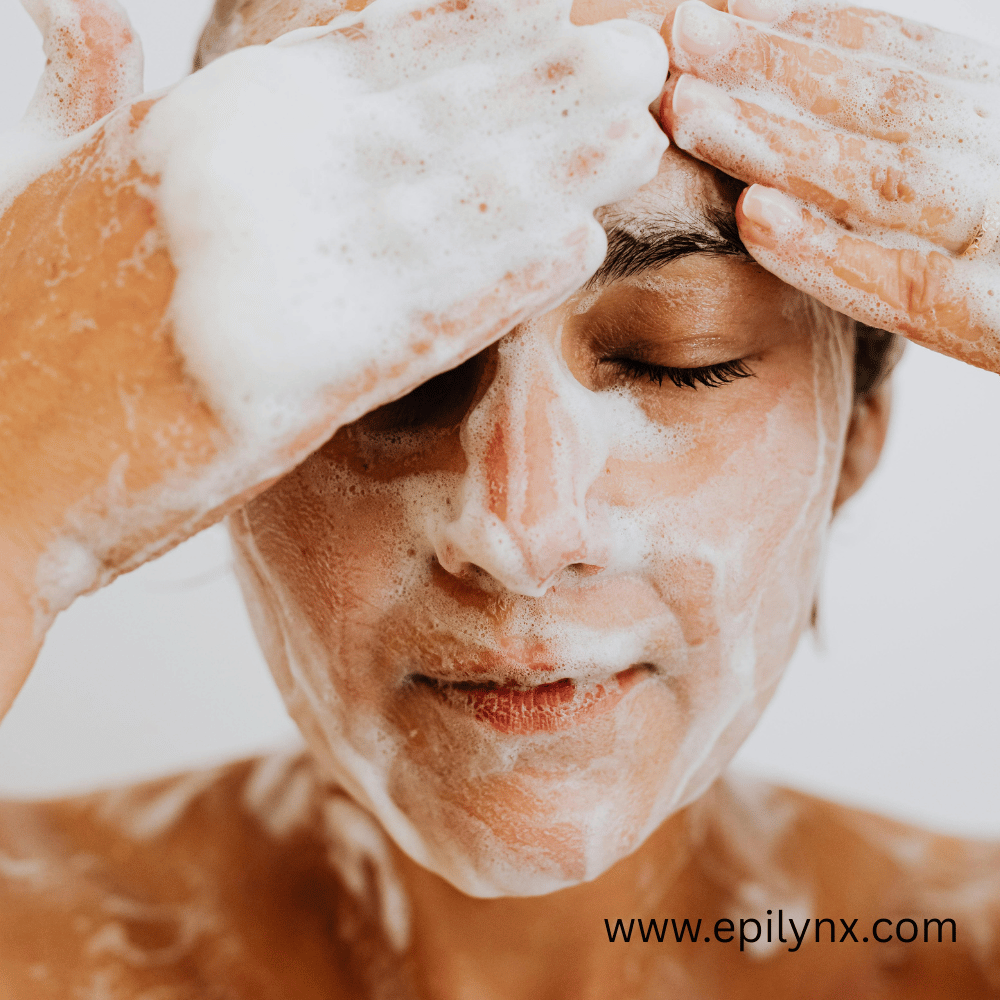
Cocamidopropyl Betaine (CAPB) Allergy: The Coconut Surfactant Behind Contact Dermatitis
The paradox of "natural" cleansers
Cocamidopropyl betaine (CAPB) became the defining ingredient of the "natural" and "gentle" cleanser category over the past two decades. Derived from coconut oil through multi-step amidation and betainization chemistry, CAPB is mild, amphoteric, and produces a stable, pleasant lather. It replaced harsher sulfate surfactants in "sensitive skin" formulations and became the default surfactant backbone of green beauty, baby products, and clinical cleanser lines.
It is also among the most prevalent contact allergens found in personal care products, with rates of 2–6% in consecutive patch test populations — surpassing many traditional allergens including formaldehyde-releasing preservatives in cosmetic-specific series.
The paradox is precise: the surfactant most marketed to sensitive skin populations is among the most sensitizing surfactants in clinical use. If you have reacted to a "gentle" cleanser and could not work out why, our Gentle Hydrating Facial Cleanser is built on a non-coconut surfactant system for exactly this reason.
Why CAPB causes allergy — and it is not the coconut itself
The sensitizing components of CAPB are not the coconut-derived fatty acid chain. The primary allergens identified in patch test research are:
- 3-Dimethylaminopropylamine (DMAPA) — an intermediate in CAPB synthesis. Incomplete reaction leaves residual DMAPA in finished CAPB, and DMAPA is a potent Type IV contact sensitizer via classical hapten-carrier mechanisms.
- Amidoamine (3-cocamidopropyl dimethylamine) — another synthesis intermediate, itself a contact allergen distinct from both DMAPA and CAPB.
- CAPB itself — evidence suggests the intact betaine molecule can also function as a direct sensitizer in a subset of patients, independent of impurities.
This means a coconut-allergic patient (IgE-mediated Type I) and a CAPB-allergic patient (T-cell-mediated Type IV) may be reacting through entirely different immunological pathways and require different management approaches.
Type IV hypersensitivity: the CAPB reaction mechanism
- Sensitization phase: DMAPA or amidoamine penetrates the stratum corneum, binds to skin proteins forming a hapten-protein complex, and is taken up by Langerhans cells. These migrate to regional lymph nodes, presenting the hapten to naïve T-helper cells. CD4+ Th1 and Th17 cells become sensitized to the specific hapten.
- Elicitation phase: Subsequent exposure triggers rapid activation of sensitized T cells, with release of IFN-γ, IL-17, IL-1β and TNF-α, producing the erythematous, vesicular, intensely pruritic contact dermatitis reaction — typically appearing 24–72 hours post-exposure.
The delayed onset distinguishes CAPB contact dermatitis from IgE-mediated reactions and is a common source of diagnostic confusion — patients frequently do not connect a product used 48 hours earlier to a current skin reaction.
Where CAPB appears beyond facial cleansers
- Facial cleansers — gel, foam, micellar water bases
- Shampoos and conditioners
- Body washes and bubble bath formulas
- Baby washes, frequently, given CAPB’s "mildness" reputation
- Shaving gels and foams
- Wet wipes and makeup remover wipes
- Some tinted moisturizers and sunscreen formulas
Patients with confirmed CAPB sensitization should audit all personal care categories, not only facial cleansers.
Diagnosis: patch testing and component differentiation
CAPB contact dermatitis is diagnosed by patch testing using 1% CAPB in water or petrolatum. Cross-reactions with DMAPA and amidoamine should be tested simultaneously. Current patch test series include CAPB as a standard entry given its prevalence. More on the process in Patch Testing: What to Expect.
Notably, many patients with CAPB sensitivity are not coconut-IgE-positive — the two conditions co-occur but are immunologically distinct.
Safe surfactant alternatives
Alternative systems that avoid both coconut derivation and CAPB sensitization risk include decyl glucoside (corn-derived, glucose-based), sodium cocoyl glutamate from non-coconut fatty acid sources, and potassium cocoyl glycinate systems with distinct allergen profiles from CAPB.
What I actually reach for
- Gentle Hydrating Facial Cleanser — no CAPB, no coconut-derived surfactants.
- Extra Gentle Daily Scrub Cleanser — for gentle exfoliation without a coconut surfactant base.
- Miracle Face Cream — barrier repair while the dermatitis settles.
- Skin Relief Body Cream — for body wash reactions.
Every formula is reviewed by a pharmacist with allergen-aware formulation as the design standard, not the afterthought. Shipping is free over $39, and EPILYNXGLOW25 takes 25% off.
Keep reading
- Coconut Allergy: The 30 Hidden Names
- Irritant vs Allergic Contact Dermatitis
- Refined Coconut Oil and Allergy
Educational information from a pharmacist, not medical advice.
%20became%20the%20defining%20ingredient%20of%20the%20%22natural%22%20and%20%22gentle%22%20cleanser%20category%20over%20the%20past%20two%20decades.%20Derived%20from%20coconut%20oil%20t...)