💄✨ How to Choose the Safest Lipstick for Sensitive Skin (A Complete Guide)
Finding a Safe Lipstick Shouldn’t Feel Like Bomb Defusal
You pick a lipstick.
You swipe it on.
You wait.
And then:
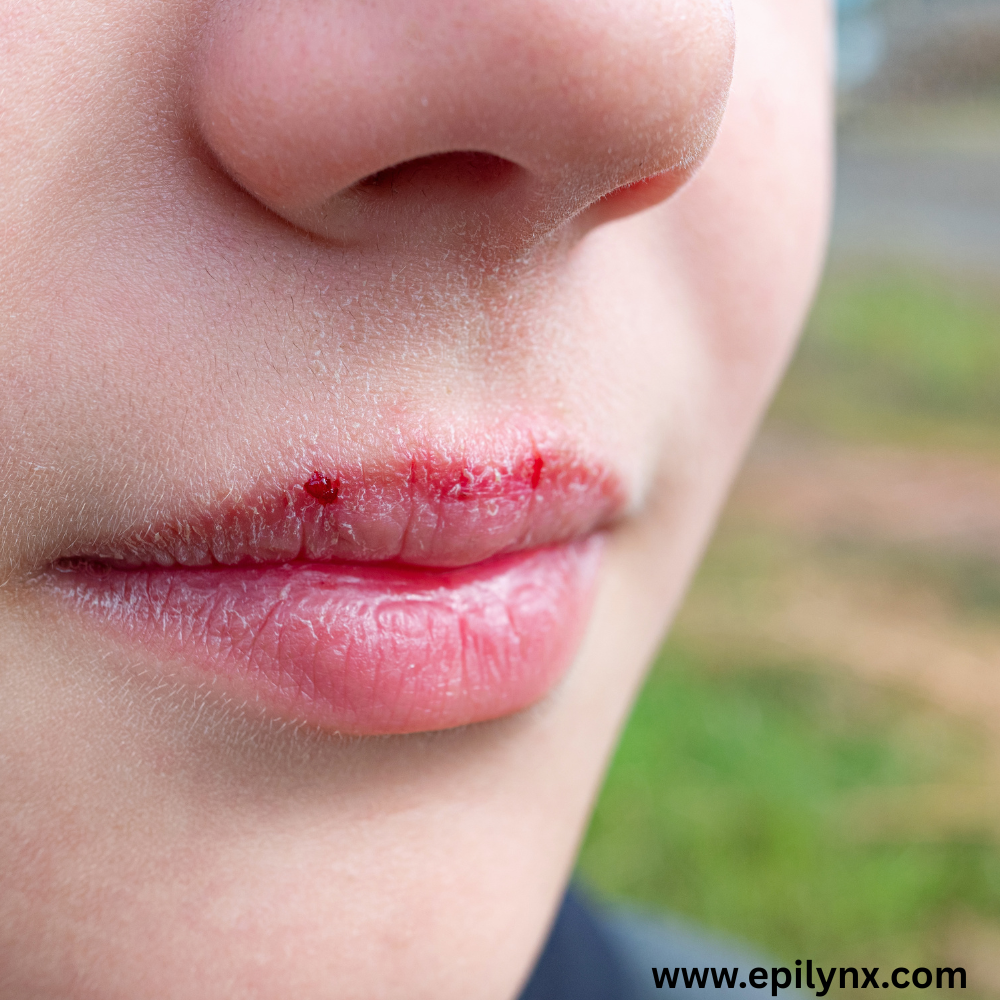
Burning.
Stinging.
Peeling.
Rashes around the mouth.
Or worse — swelling.
If this sounds familiar, welcome.
Your lips are sensitive.
And honestly? MOST people’s lips are sensitive — they just don’t realize it.
The good news?
You can wear lipstick safely.
You can find colors you love without irritation.
You just need to know what to avoid, what to look for, and how to actually decode those ingredient labels that look like ancient scrolls.
Let’s break it down.
🧨💋 1. First Rule: If It Burns, It’s Not “Working” — It’s Irritating
Brands love calling burning “tingling” or “refreshing.”
Science calls it inflammation.
If your lipstick:
-
tingles
-
stings
-
warms
-
cools
-
feels “spicy”
…it’s irritating your lip barrier.
Your goal is comfort, not chaos.
🥜❌ 2. Ingredients Sensitive Lips Should Never Touch
These are the BIGGEST irritants and allergens found in lipsticks — yes, even expensive ones.
❌ Nut Oils (major allergens)
-
almond
-
shea
-
macadamia
-
argan
-
hazelnut
-
mango kernel
-
apricot kernel
Lips absorb ingredients quickly → nut proteins = risk.
❌ Fragrance & Flavor
The #1 cause of lip dermatitis.
If a lipstick tastes like candy, run.
❌ Mint, Menthol & Peppermint
Used in “refreshing” lipsticks.
Actually destroys the barrier.
❌ Cinnamon Oil
A plumping irritant that inflames lips.
❌ Lanolin
One of the top lip allergens — especially if you have eczema.
❌ Chemical Sunscreen Ingredients
Oxybenzone, avobenzone, octinoxate = instant irritation for many.
❌ Essential Oils
They belong in aromatherapy, not your lipstick.
❌ Unapproved Dyes
Red dyes not listed for lip use can cause swelling and redness.
💄🌱 3. Safe Ingredients Sensitive Lips LOVE
These ingredients hydrate, smooth, and protect without irritation or allergens.
✔ Squalane
Light, silky, and barrier-supportive.
✔ Sunflower Oil
Gentle, nut-free, nourishing.
✔ Rice Bran Oil
Rich in antioxidants and hypoallergenic.
✔ Jojoba Oil
Closest to your skin’s natural oils.
✔ Glycerin
A humectant that boosts moisture.
✔ Vitamin E (tocopherol)
As long as it’s not from wheat germ (gluten-sensitive folks take note).
✔ Mineral Pigments (Iron Oxides)
Stable, safe colors.
✔ Zinc Oxide (in SPF lip products)
A safe sunscreen alternative.
Your lips prefer calm, not chemical conflict.
🎨✨ 4. Choose the Right Type of Lipstick for Sensitive Skin
Not all lipstick formulas behave the same way. Here's how each type affects your lips:
🧈 Cream Lipsticks
Best for sensitive lips.
Hydrating, smooth, comfortable.
💧 Lip Oils
Safe if nut-free and fragrance-free.
Look for squalane-based.
💄 Satin & Moisturizing Lipsticks
Usually gentle — unless they hide fragrance or nut oils.
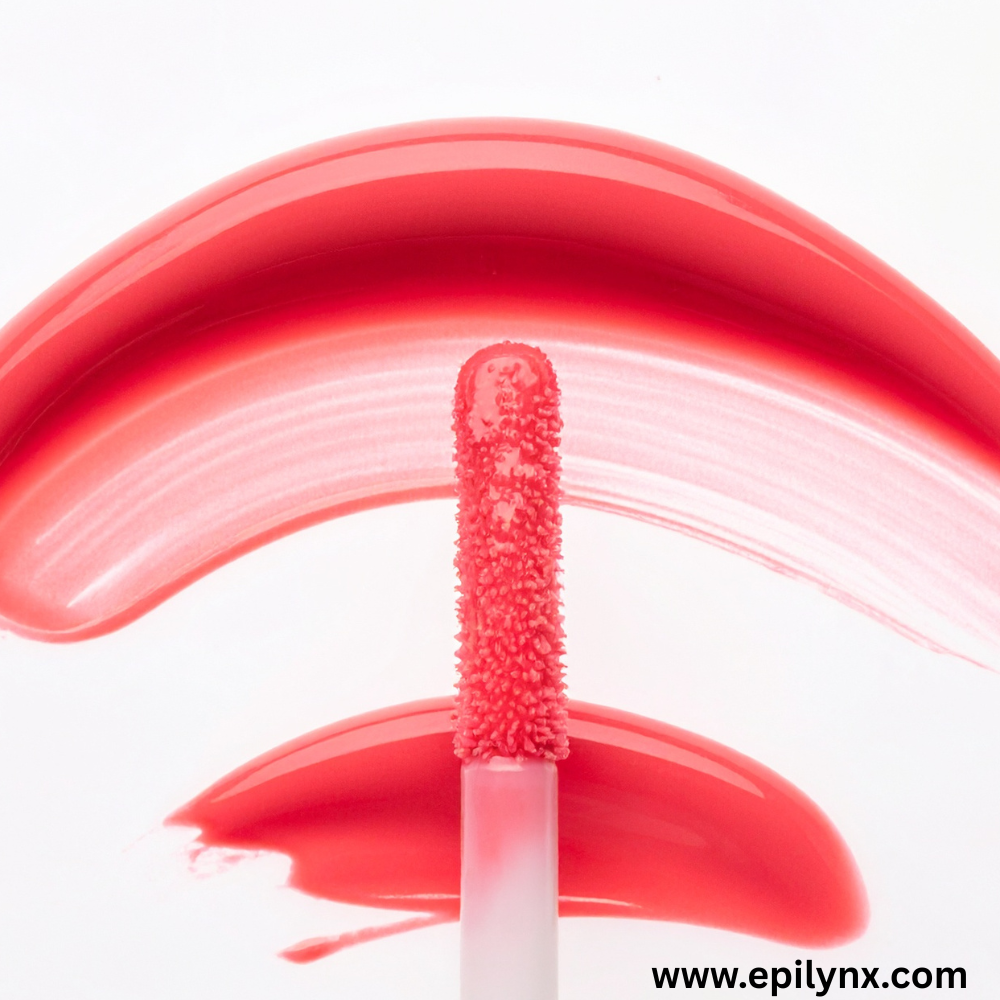
💋 Gloss
Safe if simple and allergen-free.
Avoid flavored or scented ones.
🔥 Matte Liquid Lipsticks
Proceed with caution.
They dry out lips → cracks → irritation.
⚠️ Plumping Lip Products
Just… no.
Unless you enjoy controlled inflammation.
📝🔍 5. How to Read a Lipstick Ingredient Label Without Crying
Scan for red flags:
-
“Parfum” or “Fragrance”
-
Any nut name (almond, shea, argania, macadamia, etc.)
-
“Flavor”
-
“Peppermint oil”
-
“Menthol”
-
“Lanolin”
-
“Kernel oil”
-
“Essential oil blend”
-
“Cinnamal” or “Cinnamaldehyde”
If you see any of these → that lipstick is not your friend.
Clear winners should have short, simple ingredient lists with the safe ingredients mentioned above.
💋🧪 6. Patch Test Your Lipstick (Yes, Really)
Sensitive lips = patch testing is a must.
How to do it:
-
Apply a small amount to your wrist or jawline.
-
Wait 24 hours.
-
If no redness, burning, or bumps → safe to try on lips.
If it burns within 10 seconds on your wrist?
Imagine your lips.
💡💄 7. Lipstick Tips Dermatologists Swear By
✔ Exfoliate gently once a week (with warm water + washcloth)
✔ Never peel dry skin
✔ Use a hydrating balm before matte formulas
✔ Avoid licking your lips
✔ Use mineral SPF during the day
✔ Rotate lipsticks instead of wearing one daily if you're sensitive
⭐ **Final Thought: Safe Lipstick Isn’t Boring —
It’s Empowering**
The right lipstick should:
✔ feel good
✔ look good
✔ protect your skin
✔ never burn
✔ never peel
✔ never betray you
Finding the safest option isn’t restrictive — it’s freeing.
Your lips deserve formulas that treat them with respect.
🌿 The EpiLynx Promise:
Every lip formula is designed for real humans with real sensitivities.
Always:
✨ Nut-Free
🌾 Gluten-Free
💚 Allergen-Safe
🌱 Vegan
🐰 Cruelty-Free
🧴 Gentle for Sensitive Skin
So your lips can look bold — without feeling attacked.